 Save
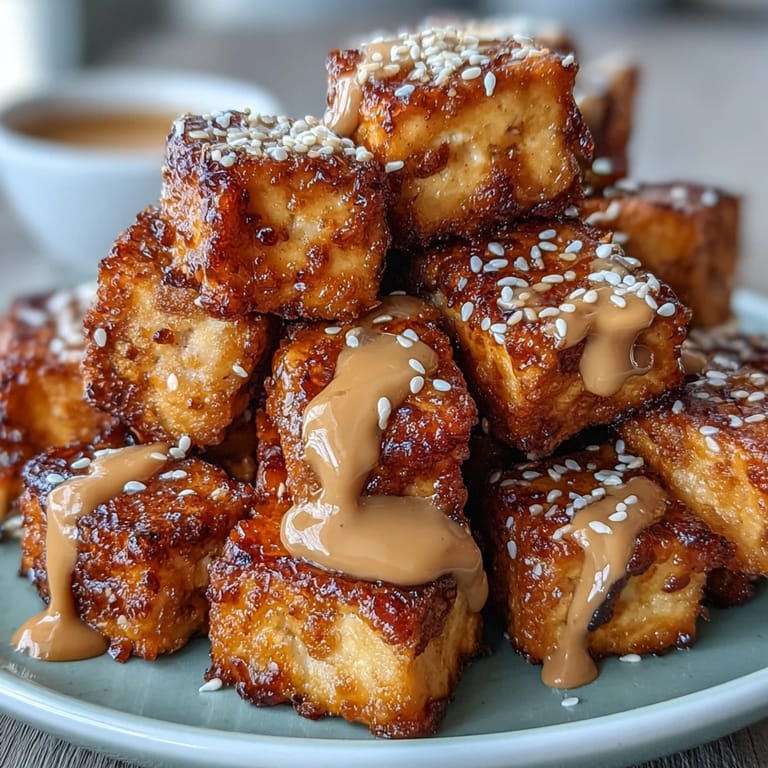
Save One Wednesday night, my partner came home asking why our kitchen smelled like a peanut butter dream, and I realized the air fryer had just finished its magic with cubed tofu that emerged impossibly golden and crispy. That moment of watching something so often dismissed as bland transform into something people actually wanted to eat felt like a small victory in the kitchen. The peanut sauce was already whisked, warm, and pooling on the plate like velvet. What started as a quick weeknight solution became the dish everyone now requests, no announcement needed.
I made this for a potluck where everyone was bringing something heavy and predictable, and watching people go back for thirds of crispy tofu bites while the casseroles sat untouched taught me something about bold flavors and taking risks. One friend actually asked for the recipe immediately, phone out, and I knew I had something worth keeping in rotation forever.
Ingredients
- Extra-firm tofu (400g): This is non-negotiable—soft tofu will never crisp up properly, and learning that the hard way means rubbery insides and no crunch, so buy the block that feels like it could anchor a boat.
- Soy sauce (1 tbsp): Use tamari if you need gluten-free, and honestly, the salty umami is what tells the tofu it's about to taste like something special.
- Olive or sesame oil (1 tbsp): Sesame oil adds an aromatic depth that turns this from simple to sophisticated, though olive oil keeps things neutral and lets the seasonings shine.
- Cornstarch (2 tbsp): This is the secret ingredient that gives you that satisfying crunch—don't skip it or reduce it, cornstarch is what separates crispy from soggy.
- Garlic powder and smoked paprika (1/2 tsp each): Together they create a warm, slightly smoky foundation that makes people ask what spice you used.
- Natural peanut butter (4 tbsp): Real peanut butter, the kind with just peanuts and maybe salt, makes a sauce that tastes genuine instead of overly sweet.
- Maple syrup and rice vinegar (1 tbsp each): The maple adds subtle sweetness while the vinegar keeps everything balanced and bright, preventing the sauce from tasting flat.
- Fresh ginger and minced garlic (1 tsp and 1 clove): These are what make the sauce taste alive and not like something from a jar.
Tired of Takeout? 🥡
Get 10 meals you can make faster than delivery arrives. Seriously.
One email. No spam. Unsubscribe anytime.
Instructions
- Press out the moisture:
- Wrap your tofu block in a clean kitchen towel and set something heavy on top—a cast iron pan, some books, whatever you have. Ten to fifteen minutes of pressing removes the water that would otherwise steam the tofu and prevent crispiness. It feels like an extra step, but it's the difference between soggy and spectacular.
- Cut into cubes:
- Use a sharp knife and cut your pressed tofu into roughly 3/4-inch cubes, keeping them fairly uniform so they cook evenly. Smaller pieces get crispier edges, larger ones stay more tender inside, so choose based on your preference.
- Season and coat:
- In a bowl, toss your cubes with soy sauce and oil first, then sprinkle the cornstarch, garlic powder, smoked paprika, and pepper over everything. Keep tossing gently but thoroughly until every piece has a light, even coating—this is where the magic begins, though you won't see it until the air fryer finishes.
- Preheat the air fryer:
- Set it to 400°F and let it run for two minutes while you arrange your cubes. A preheated air fryer means immediate heat contact, which is what creates that golden exterior.
- Air fry until golden:
- Lay your cubes in a single layer in the basket, leaving a little space between them so the hot air can circulate. Cook for twelve to fifteen minutes, and here's the crucial part: shake the basket halfway through so every side gets exposure to the heat.
- Whisk the sauce:
- While the tofu cooks, combine peanut butter, soy sauce, maple syrup, rice vinegar, ginger, and garlic in a bowl. Whisk until smooth, then add warm water one tablespoon at a time until you reach a pourable consistency—you want it thick enough to coat but fluid enough to drizzle.
- Plate and serve:
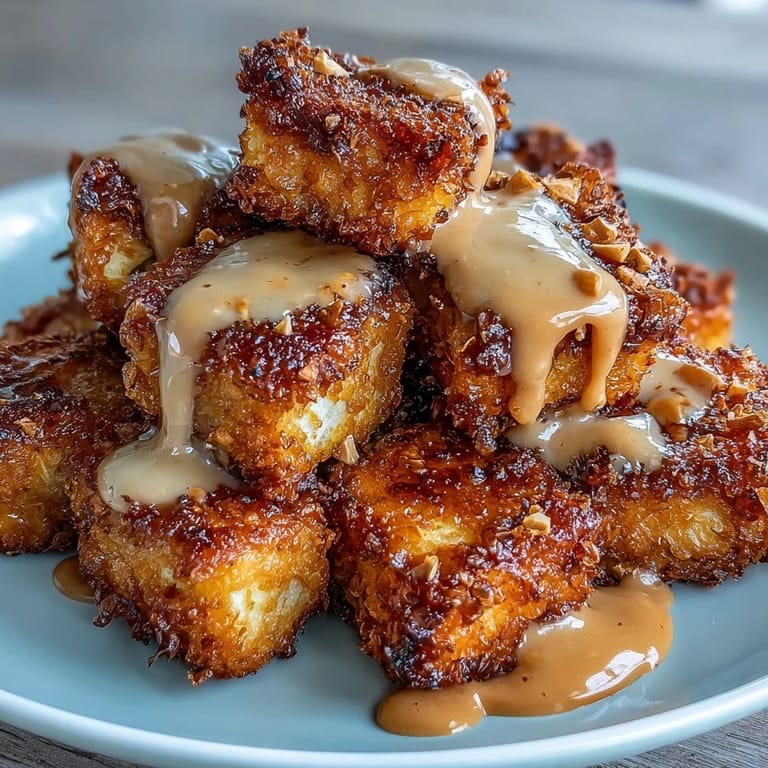
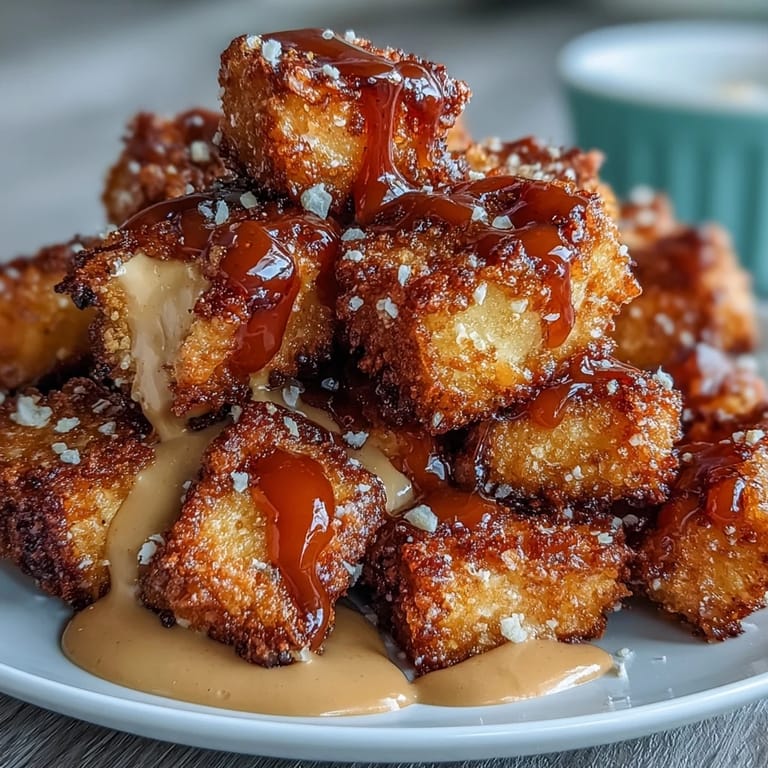
- Transfer your crispy tofu to a plate while it's still hot, drizzle generously with peanut sauce, and top with whatever garnishes you have on hand. Roasted peanuts add crunch, scallions add freshness, cilantro adds that herbaceous note, and lime wedges let everyone adjust the brightness to their taste.
 Save
Save My sister stopped being skeptical about eating tofu when she tasted this version, and that shift from polite doubt to genuine enthusiasm reminded me that texture and flavor together can change minds in a way nothing else can. Now she makes it herself and has her own variations, which somehow feels like the ultimate compliment.
Flavor Variations That Work
Once you nail the base technique, the sauce becomes your playground. I've made it with almond butter when peanuts weren't available and honestly, it was subtly different but equally delicious—nuttier and slightly lighter. Another time I added a tablespoon of miso paste to the sauce and it deepened everything, adding an almost umami complexity that felt completely new. Lime juice instead of rice vinegar brightens it even more, perfect if you want something zippier. The tofu coating itself can shift too—less paprika and garlic, more cayenne and ginger if you want something spicier, or skip the paprika entirely and add curry powder for an Indian angle.
What to Serve It With
By itself it's satisfying, but these crispy bites are humble enough to accompany almost anything. Steamed jasmine rice soaks up the sauce beautifully, while sautéed bok choy or broccoli adds vegetables without making the meal feel heavy. I've served it over greens as a warm salad, tucked into lettuce wraps with fresh herbs, and even as a protein on top of coconut rice. Cold the next day it becomes a packed lunch, where the sauce has soaked into the crispy edges and everything melds together into something even better than fresh.
Storage and Make-Ahead Tips
The tofu is best eaten right after cooking when the crispiness is at peak, but the peanut sauce keeps beautifully in the refrigerator for up to five days, which means you can meal-prep the sauce and just air-fry tofu whenever you need it. You can also press and cut your tofu the night before and keep it in the fridge, then coat and cook it when you're ready. Some people even freeze the raw pressed and cut tofu for later use, though the texture becomes spongier, which isn't ideal for this recipe but works fine if you're just looking for convenience.
- Cook the peanut sauce ahead and reheat gently on the stovetop, adding a splash of warm water if it thickens too much.
- Crispy tofu doesn't keep its texture well in the refrigerator, so save the sauce and ingredients and air-fry fresh cubes each time.
- If you must store cooked tofu, keep it in a sealed container and reheat quickly in the air fryer for 3–4 minutes to restore some crispiness.
 Save
Save This dish became proof that plant-based cooking doesn't mean sacrificing satisfaction or flavor, and every time someone tries it expecting to be polite and ends up genuinely enjoying it, I get a little reminder of why I keep cooking. It's honest food that happens to be better for you, which is the best kind of recipe to have on rotation.
Recipe Questions & Answers
- → How do I get tofu crispy in the air fryer?
Press the tofu to remove moisture, coat it evenly with cornstarch and spices, then air fry at 200°C (400°F) until golden and crispy, shaking halfway through.
- → Can I substitute the peanut sauce ingredients?
Yes, almond butter can replace peanut butter, and tamari can be used instead of soy sauce for gluten-free options.
- → What is the best way to press tofu?
Wrap tofu in a clean towel and place a heavy object on top for 10–15 minutes to remove excess water for optimal crispiness.
- → How can I adjust the heat of the peanut sauce?
Add or reduce chili flakes in the peanut sauce to achieve your preferred spice level.
- → What dishes pair well with crispy tofu and peanut sauce?
Steamed rice or sautéed vegetables complement this dish, making for a complete and balanced meal.