 Save
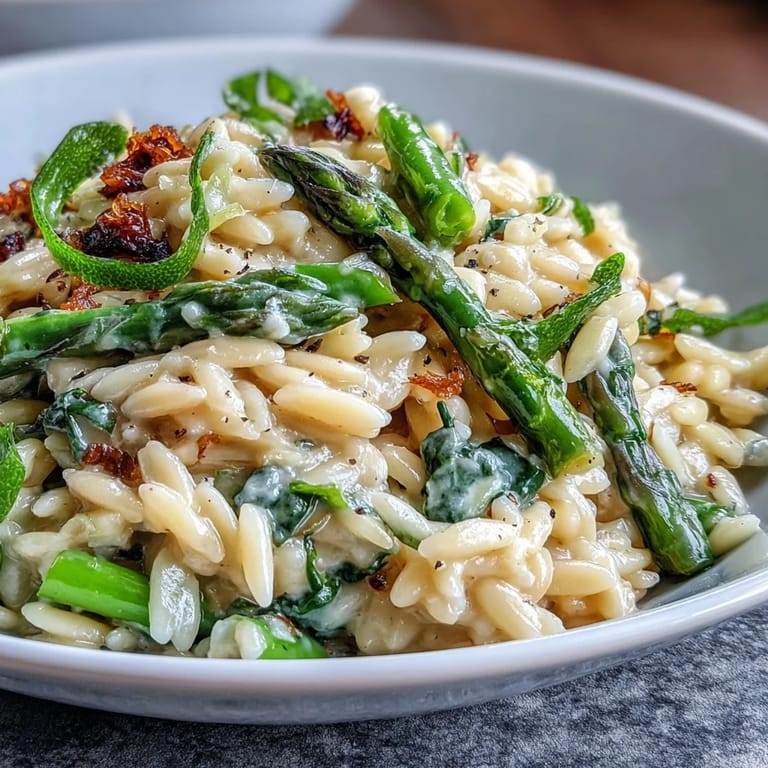
Save Steam rose from my skillet in the soft sunlight of an early spring evening as I first tried my hand at orzo primavera. I was halfway through prepping vegetables when a breeze carried in the aroma of basil from my window box, nudging me to use more than I'd planned. It always surprises me how quickly a heap of fresh produce and a handful of pasta can become something that smells like a celebration of the season itself. The click of knife against board, the green burst of snapped asparagus, the gentle stir of melting parmesan—the whole kitchen simmered with promise. Somehow, making this dish feels more like painting with vegetables than just cooking dinner.
I’ll never forget tossing this orzo primavera together one weeknight while a friend anxiously debriefed a big day at my kitchen table—each handful of basil or squeeze of lemon seemed to brighten both the dish and our moods. By the time the plates hit the table, her story had morphed from tense to hilarious, and the vegetables were perfectly crisp-tender. Even the leftover parmesan showers couldn’t quite drown out our laughter that night.
Ingredients
- Orzo pasta: Its tender, rice-like shape soaks up sauce beautifully—just watch for overcooking by keeping it strictly al dente.
- Olive oil: A good glug does double duty, coaxing sweetness out of shallots and keeping everything silky.
- Asparagus: The snap of each stalk signals freshness—trim ends where they naturally break to avoid woody bites.
- Sugar snap peas: Sweet, crunchy and fast-cooking—halve them for easier bites and more even cooking.
- Zucchini: I love seeing the green flecks throughout—cut into small dice so it mingles with the orzo, not overpowers it.
- Cherry tomatoes: Juicy and bursting—they balance the richness and make things summery no matter the weather.
- Frozen peas: Flash them in at the end just to warm through so they stay sweet and bright.
- Shallot: Subtler than onion, it lends aromatic depth without taking over—chop as finely as patience allows.
- Garlic: Just two cloves add warmth and the faintest whiff of spring wildness—don’t let it brown.
- Parmesan cheese: Use freshly grated if you can—pre-grated just never melts quite the same way.
- Fresh basil: Slicing not tearing helps keep the flavor bright and pretty—add just before serving to keep it vibrant.
- Unsalted butter: A quick swirl at the end pulls it all together—skip if you want vegan, or swap plant-based butter.
- Salt and black pepper: Season in layers, tasting as you go for just-bright-enough flavor.
- Lemon zest and juice: Zest first before juicing—adding both brings a sunny lift that ties all the green flavors together.
Tired of Takeout? 🥡
Get 10 meals you can make faster than delivery arrives. Seriously.
One email. No spam. Unsubscribe anytime.
Instructions
- Boil the orzo:
- Fill a large pot with salted water and bring to a full, rolling boil. Cook the orzo until it's just al dente, stirring occasionally—then scoop out half a cup of pasta water before draining.
- Sauté aromatics:
- Heat olive oil in a roomy skillet and toss in the shallot and garlic—let them sizzle gently until soft and fragrant, but not browned.
- Cook the spring greens:
- Add the asparagus, zucchini, and sugar snap peas. Stir often for 3–4 minutes—listen for the bright hiss and watch for colors to pop.
- Add tomatoes and peas:
- Toss in cherry tomatoes and peas, cook for another couple minutes so tomatoes loosen their shape and peas just turn vivid green.
- Bring it all together:
- Reunite the drained orzo with the vegetables in the skillet, stirring well so the greens weave throughout.
- Finish the sauce:
- Lower the heat and add butter, parmesan, most of the lemon zest, and juice, stirring in pasta water a splash at a time until creamy—stop when it feels luscious but loose.
- Season and add basil:
- Check for seasoning, adding salt and lots of black pepper. Turn off the heat and gently fold in basil for a final fresh note.
- Plate and garnish:
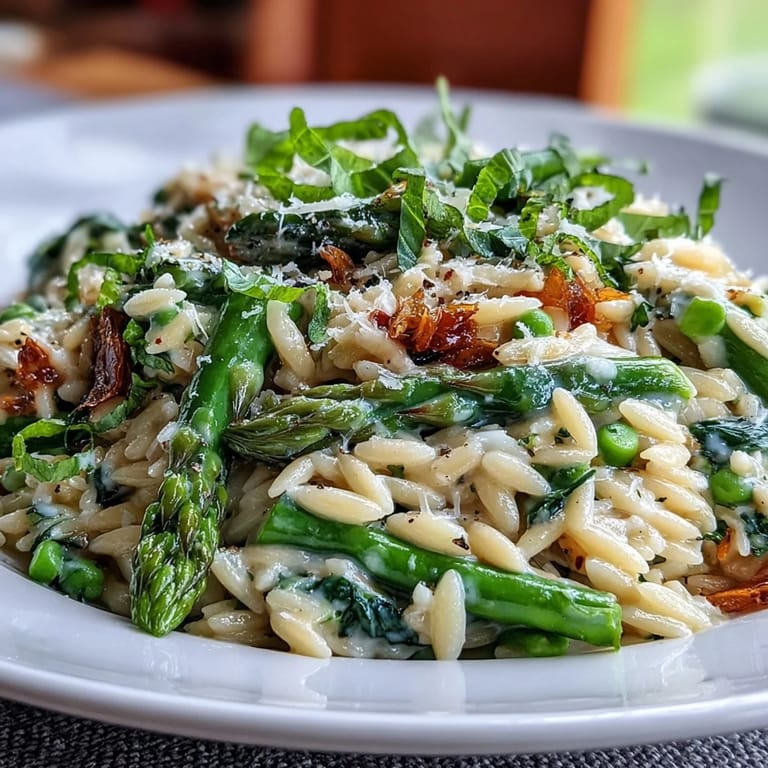
- Serve immediately, scattering extra parmesan and basil over each bowl for that feast-for-the-eyes effect.
 Save
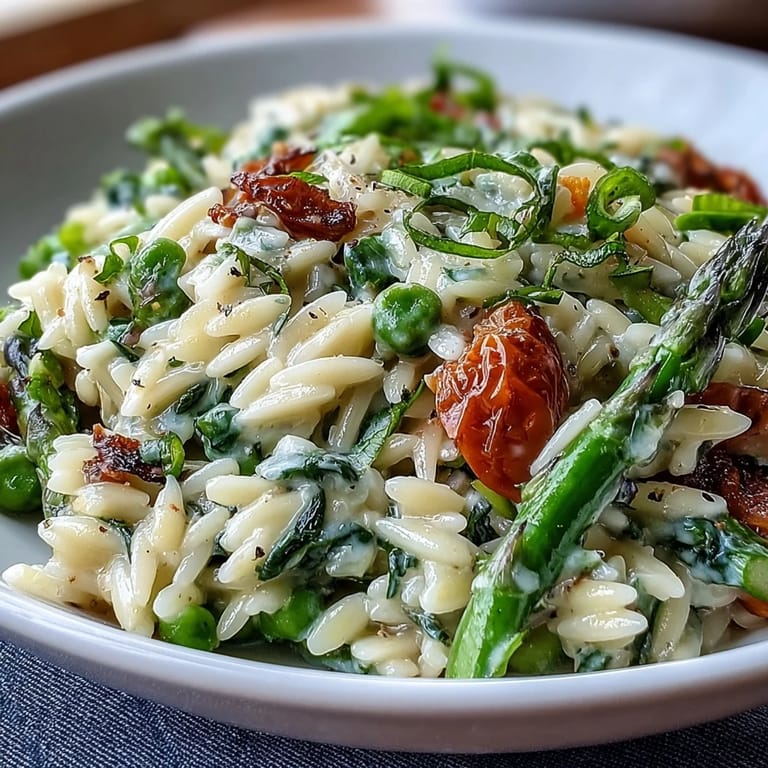
Save One Saturday, I made this to celebrate the first farmers market haul of the year—each forkful rang out with reminders of why spring always gives me hope. The prettiest bowl went straight to my neighbor, and her smile lingered longer than the scent of basil.
Changing Up the Vegetables
If your crisper drawer holds different treasures, don’t hesitate: artichoke hearts, spinach, even roasted bell peppers mingle perfectly here. The flavor profile shape-shifts to whatever’s lush and in season, and I secretly relish inventing new versions for whoever drops by.
Making It a Complete Meal
When I’m extra hungry, I’ve tossed in leftover grilled chicken or shrimp, or even added a few walnuts for crunch and protein. It’s simple to scale up or down—and any good leftovers are just as cheerful the next day, warmed with a splash of water to restore the creaminess.
Meal Prep and Quick-Assembly Secrets
Chop the vegetables first and keep everything separated until you’re ready for assembly—this way, you move from stove to table in under 30 minutes on even your busiest evenings. Pre-cooked orzo saves you another step if you have some on hand.
- If reheating, add a dash of lemon juice to freshen things up.
- The basil is best added at the very end—never early.
- Don’t forget to reserve that pasta water before draining!
 Save
Save This orzo primavera finds its way onto my table the moment the first asparagus appears at the market. Here’s to more bright, vegetable-packed meals no matter the season.
Recipe Questions & Answers
- → How do I keep the orzo creamy without heavy sauce?
Reserve about 1/2 cup of the pasta cooking water and add it a little at a time while stirring. The starchy water emulsifies with butter and parmesan to create a silky coating without adding cream.
- → How long should I cook the orzo for al dente?
Follow the package timing but start checking a minute or two earlier. Orzo cooks quickly — typically 8–10 minutes for al dente depending on brand. Drain and reserve cooking water immediately.
- → Can I swap the vegetables for other spring produce?
Yes. Baby spinach, artichoke hearts, thinly sliced bell peppers or roasted asparagus tips all work well. Add quicker-cooking greens at the end to wilt gently without losing color.
- → What’s the best way to add protein?
Top with grilled chicken, sautéed shrimp, or toasted chickpeas. Add cooked proteins at the end so they warm through without overcooking and to maintain the dish's fresh vegetable texture.
- → How can I make a vegan version?
Use plant-based butter and a vegan parmesan-style alternative. Emulsify reserved pasta water with the vegan butter to achieve a creamy finish, and adjust salt to taste.
- → How should leftovers be stored and reheated?
Store in an airtight container in the fridge up to 3 days. Reheat gently in a skillet over low heat with a splash of water or broth to refresh the sauce and prevent drying out.