 Save
Save My friend Sarah showed up at my apartment on a rainy Thursday with a portable burner and bags of seafood, insisting we needed to cook something that brought everyone to the table at once. That night, watching people customize their own bowls from a communal pot of steaming broth felt less like cooking and more like hosting an edible conversation. Hot pot became my answer to those moments when you want to feed people something special without spending hours alone in the kitchen beforehand.
I remember my mom tasting the broth that first time and getting quiet for a moment, then asking where I learned to build flavor like that. She'd been the one who taught me to taste as I go, to let aromatics bloom before adding liquid, but seeing her recognize those lessons in something I'd made felt like being handed back something precious. That's when I knew hot pot wasn't just a meal, it was a way to show people you'd been paying attention.
Ingredients
- Low-sodium chicken or seafood stock (8 cups): The base deserves quality, so choose broth you'd actually drink on its own; it's the difference between a background and a stage.
- Fresh ginger (3 slices): Smash it hard against the cutting board before adding so the flesh breaks open and releases its warmth into the broth.
- Garlic (3 cloves): Smashing rather than mincing keeps the cloves intact so you can fish them out later if you prefer a gentler garlic presence.
- Lemongrass (2 stalks): Bruise it by crushing with the side of your knife, which opens up the inner layers and lets the citrus oils escape into the liquid.
- Soy sauce (2 tablespoons): Use low-sodium so you control the salt and can taste the seafood without it getting buried.
- Fish sauce (1 tablespoon): This is the secret that makes people ask what that incredible depth is, even though they'll never guess the ingredient.
- Rice vinegar (1 tablespoon): It brightens the broth without overwhelming it, giving the seafood room to shine.
- Fresh red chilies (1-2, optional): Slice them lengthwise and leave the seeds in if you like heat, remove them for warmth without fire.
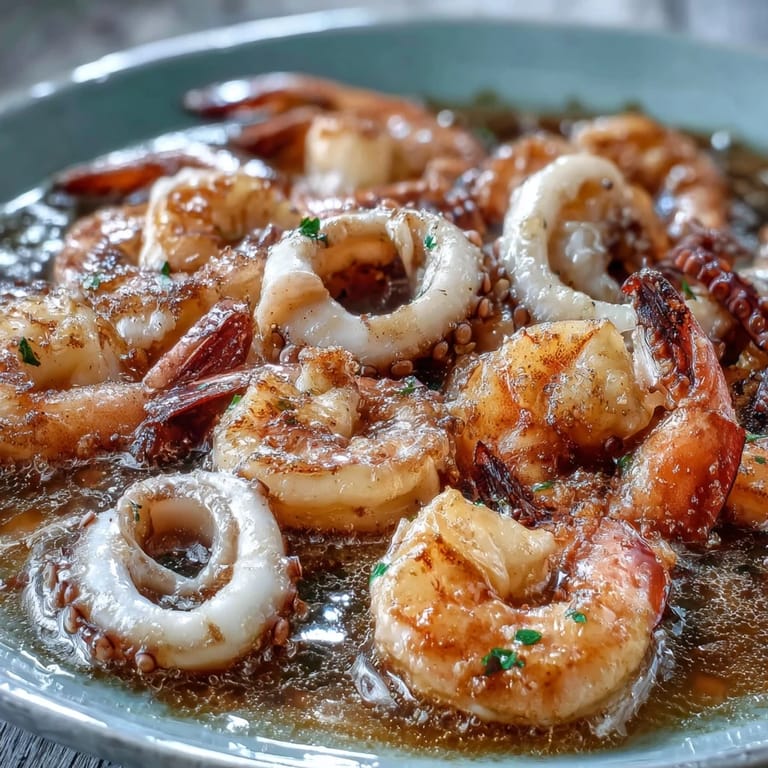
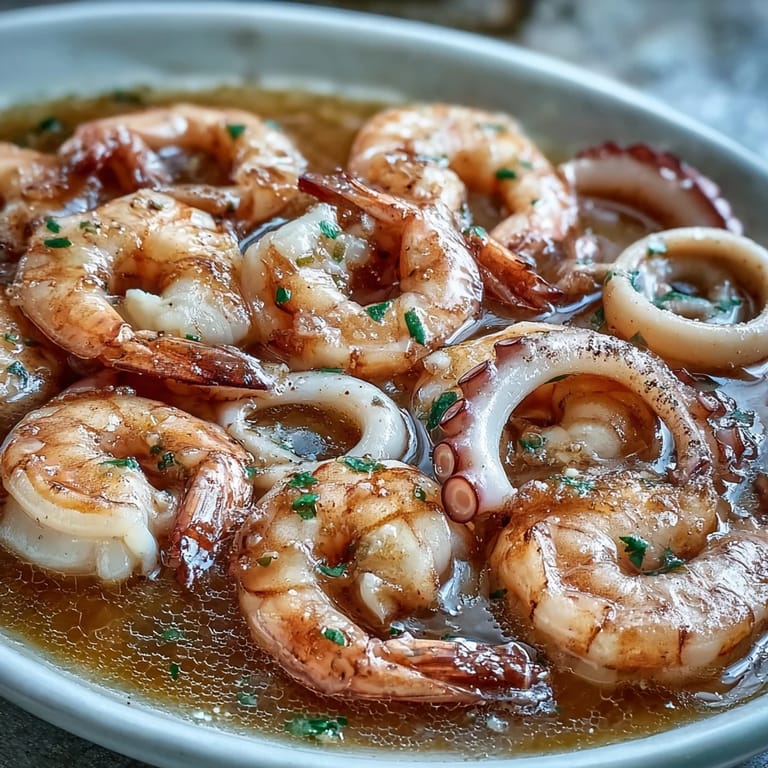
- Raw shrimp (8 large): Buy them still in their shells if possible and peel them yourself; the shells are future broth gold.
- White fish fillet (200g): Cod works beautifully, but snapper is even better if you find it; cut into pieces roughly the size of a grape so they cook evenly in seconds.
- Fresh mussels or clams (8): Scrub them under running water and discard any that don't close when tapped, a small detail that keeps everyone safe and happy.
- Squid rings (150g): They cook in about 90 seconds, so don't feel rushed; overcooked squid turns rubbery, but just-cooked is tender.
- Napa cabbage (1 cup): Chop it roughly so pieces stay together in the broth instead of dissolving into the liquid.
- Baby bok choy (1 cup): Leave small ones whole and halve the bigger ones so they cook at the same speed.
- Shiitake mushrooms (1 cup): Their earthy funk deepens the broth, so don't skip them even if someone at the table thinks they don't like mushrooms.
- Enoki mushrooms (1 cup): These delicate strands add a tender texture that surprises people who've only eaten button mushrooms.
- Carrot (1 medium): Slice thin so it softens in the time it takes to cook seafood, about 2 to 3 minutes.
- Zucchini (1 small): Cut into half-moons so they don't break apart when people fish them out of the pot.
- Firm tofu (1 cup): Cubing it means it soaks up broth like a sponge and becomes silky without falling apart.
- Glass noodles or rice vermicelli (200g): Soak them first so they're tender but still have a slight chew when they hit the hot broth.
- Spring onions (2): Slice them fresh right before serving so they're crisp and their sharpness cuts through the richness.
- Fresh cilantro: Some people love it, some people pick it out, so let everyone decide rather than stirring it into the broth.
- Lime wedges: The acid transforms the last few spoonfuls of broth from heavy to bright and alive.
Tired of Takeout? 🥡
Get 10 meals you can make faster than delivery arrives. Seriously.
One email. No spam. Unsubscribe anytime.
Instructions
- Build the aromatic broth:
- Pour your stock into a large pot and heat it until small bubbles appear at the bottom. Add the ginger slices, smashed garlic cloves, and bruised lemongrass all at once so they release their flavors into the warm liquid. Let it come to a gentle boil, then reduce to a simmer and let it bubble quietly for 20 minutes, which is just long enough for all those aromatics to surrender their essence without bitterness creeping in.
- Strain and season the broth:
- After simmering, pour the broth through a fine strainer into a clean pot, pressing gently on the solids to release any lingering flavor before discarding them. Stir in the soy sauce, fish sauce, rice vinegar, and sliced chilies, tasting as you go so the broth tastes bright and full but not aggressive.
- Arrange everything for the table:
- Spread the shrimp, fish, mussels, and squid across one platter, the vegetables and tofu across another, and the soaked noodles in a bowl. This arrangement means people can see exactly what they're choosing, and it makes the whole experience feel generous and abundant before anyone even starts cooking.
- Set up your portable burner or cooktop:
- Place it in the center of the table where everyone can reach it comfortably, then pour your broth into the hot pot or wide saucepan and bring it back to a gentle simmer. This is the moment things shift from preparation to performance, so make sure the broth is steaming but not aggressively boiling, which would toughen the seafood.
- Invite your diners to cook their own bowls:
- Let everyone add their chosen seafood, vegetables, and noodles directly into the simmering broth, cooking for 2 to 3 minutes until the shrimp turns opaque, the fish flakes easily, and the vegetables are tender-crisp but still have a whisper of texture. This is when the magic happens, because people are leaning over the pot, smelling the broth transform, talking while they cook, actually present in a way that plated meals never quite manage.
- Serve and garnish with intention:
- Ladle the cooked ingredients and broth into individual bowls, then scatter spring onions and cilantro over the top so each bowl looks like something worth savoring. Squeeze lime wedges over the broth right at the table so people can see the juice bloom into the liquid, and let them taste how a single citrus addition wakes everything up.
 Save
Save One night, my neighbor who'd been skeptical about seafood added a single piece of squid to her bowl almost as a dare, and when she fished it out perfectly tender and sweet, she looked genuinely surprised at herself. She went back for three more pieces before the night ended, and I realized hot pot works because it removes the pressure and lets people discover their own tastes instead of being told what they should like.
The Magic of Interactive Cooking
There's something that happens when everyone at a table has their hands in the cooking process, even if it's just dropping vegetables into a pot. People slow down, they talk more, they actually taste what they're eating instead of rushing through it. Hot pot forces a kind of presence that modern meals have mostly lost, where you can't eat faster than the broth cooks, so everyone naturally synchronizes.
Seafood Selection and Quality
The quality of your seafood matters enormously here because there's nowhere to hide; you're not making a heavy sauce or covering anything with garlic and oil, just cooking it gently in broth. I learned to buy from fishmongers who actually know their stock, who can tell you where the shrimp came from that morning and whether the fish was delivered alive. Ask if you can smell it; fresh seafood has a clean, briny smell, not an aggressive fishy one, and the fishmonger should never be offended by this question.
Building Flavor Through Patience
The broth is the entire foundation, so don't rush the simmering stage even though 20 minutes feels long. Those minutes are what turn simple stock into something that tastes like it's been building flavor for hours, and you'll taste the difference immediately when the aromatics have properly infused.
- Add the chilies toward the end of simmering if you want subtle heat, or add them fresh to individual bowls for people who want spice without dosing everyone.
- Keep extra broth simmering on the stove in a separate pot so you can refresh the communal one as it gets lower, maintaining the temperature and ensuring everyone's cooking in equally hot liquid.
- Never let the broth boil aggressively once the seafood goes in, because aggressive bubbling breaks delicate fish into shreds and makes the whole experience less pleasant.
 Save
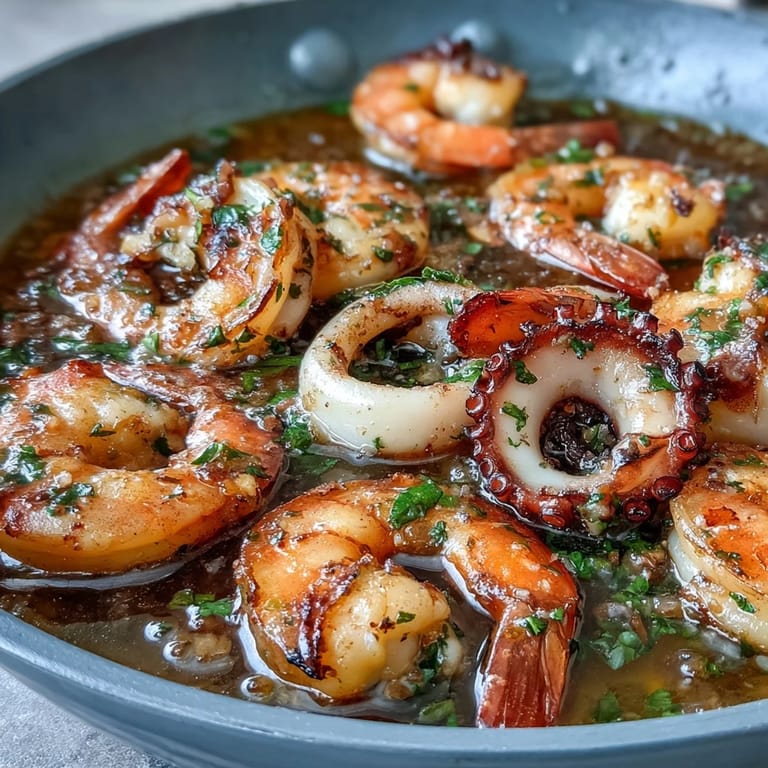
Save Hot pot isn't just food, it's a permission slip to slow down and be together, and once you understand that, you'll find yourself making it whenever you want people to leave the table feeling not just fed, but actually connected. The seafood and vegetables are wonderful, but the real ingredient is the time you all spend around that steaming pot together.
Recipe Questions & Answers
- → What seafood works best in this hot pot?
Fresh shrimp, white fish fillets like cod or snapper, mussels, clams, and squid rings create the ideal combination for balanced texture and flavor.
- → How is the broth prepared?
The broth is simmered with stock, fresh ginger, garlic, lemongrass, soy sauce, fish sauce, rice vinegar, and optional chilies to develop a fragrant, savory base.
- → Which vegetables complement the dish?
Napa cabbage, baby bok choy, shiitake and enoki mushrooms, carrot, and zucchini provide color, crunch, and umami in the pot.
- → Can I adjust the spiciness?
Yes, add more sliced fresh chilies or a spoonful of chili paste to increase heat according to your preference.
- → What noodles are suitable for serving with this meal?
Glass noodles or rice vermicelli are recommended, as they absorb the flavorful broth and cook quickly at the table.
- → Are there any important allergen considerations?
This dish contains shellfish, fish, and soy. Use gluten-free soy sauce and noodles if gluten sensitivity is a concern.