 Save
Save I was standing in a crowded night market in Jakarta when I first tasted real satay sauce—not from a jar, but ladled warm over charred chicken skewers by a vendor who'd been making it the same way for thirty years. The smell alone stopped me mid-step: roasted peanuts, coconut, lime, and something smoky I couldn't name. I came home determined to recreate it, and after a few tries, this version became the one I make whenever I need that same magic in my own kitchen.
The first time I made this for friends, I served it with store-bought chicken skewers and everyone assumed I'd spent hours on it. One friend scraped the bowl clean with a spoon and asked if I'd bottled any to take home. That's when I realized this sauce doesn't just complement a meal—it becomes the reason people remember it.
Ingredients
- Creamy peanut butter: The foundation of the sauce; unsweetened and unsalted gives you full control over flavor, and I learned the hard way that natural peanut butter can separate and turn grainy.
- Coconut milk: Full-fat is non-negotiable here—it's what makes the sauce silky and rich instead of watery.
- Soy sauce: Adds that deep, salty umami backbone; tamari works beautifully if you need it gluten-free.
- Fresh lime juice: Brightens everything and cuts through the richness; bottled juice just doesn't have the same punch.
- Brown sugar: A touch of sweetness rounds out the heat and tang; palm sugar is traditional and worth seeking out if you can find it.
- Garlic: Minced fresh, it adds a sharp, aromatic bite that mellows as it simmers.
- Ground coriander and cumin: These warm spices give the sauce its earthy, aromatic complexity.
- Chili flakes: Start conservatively—you can always add more heat, but you can't take it back.
- Salt: Balances and amplifies every other flavor in the mix.
- Fish sauce (optional): A teaspoon deepens the savory notes in a way that's hard to describe but impossible to miss.
- Water: Keep it on hand to adjust the thickness; some days you want a dip, other days a drizzle.
Tired of Takeout? 🥡
Get 10 meals you can make faster than delivery arrives. Seriously.
One email. No spam. Unsubscribe anytime.
Instructions
- Melt the base:
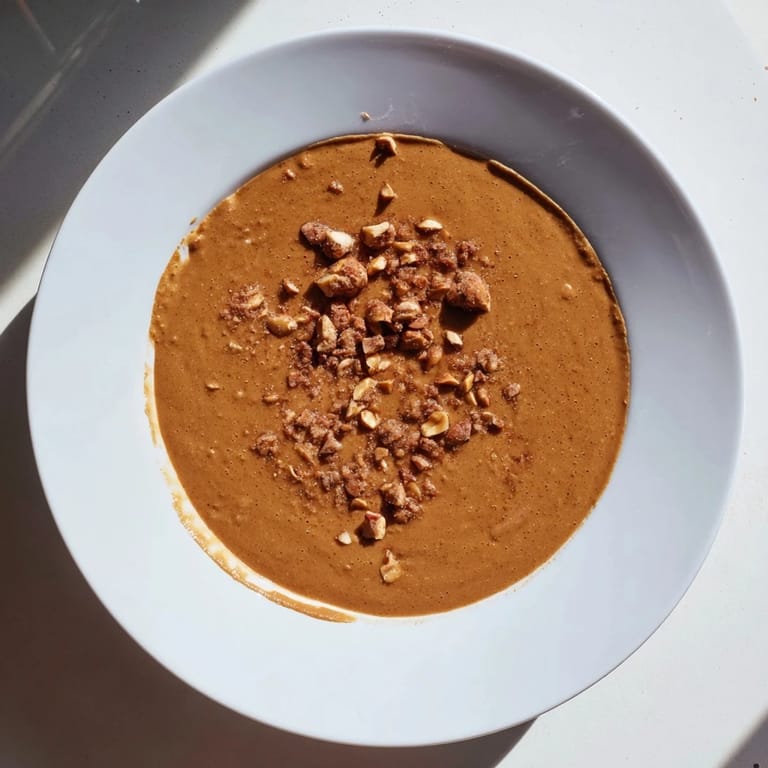
- Combine peanut butter and coconut milk in a small saucepan over medium heat, whisking constantly until the mixture is smooth and glossy. The kitchen will start to smell like a street market, warm and nutty.
- Build the flavor:
- Stir in soy sauce, lime juice, brown sugar, garlic, coriander, cumin, chili flakes, and salt. Keep whisking so the garlic doesn't clump and the sugar dissolves completely.
- Simmer and thicken:
- Bring the sauce to a gentle simmer, stirring frequently to keep it from sticking to the bottom. After three to five minutes, it will thicken and develop a beautiful sheen.
- Taste and adjust:
- This is where you make it yours—add more lime for brightness, sugar for sweetness, or chili for heat. Trust your palate.
- Thin if needed:
- Whisk in water one tablespoon at a time until you reach the consistency you want. I usually add just enough to make it pourable but still clingy.
- Finish and cool:
- Remove from heat and stir in fish sauce if using. Let it sit for a few minutes so the flavors settle and the sauce cools just enough to taste without burning your tongue.
 Save
Save One evening I drizzled this over roasted cauliflower and served it to my skeptical brother, who claimed he didn't like peanut sauce. He ate three servings and texted me the next day asking for the recipe. That's the moment I stopped worrying about impressing anyone and just started sharing what tasted good.
Serving Suggestions
This sauce is endlessly versatile—I've spooned it over grilled chicken skewers, tossed it with cold noodles on a hot day, and used it as a salad dressing when I was out of vinaigrette. It clings to grilled tofu, brightens up steamed vegetables, and even works as a dip for fresh spring rolls. Once you have a jar in the fridge, you'll find yourself reaching for it constantly.
Storage and Reheating
The sauce keeps in an airtight container in the fridge for up to five days, and it actually tastes better the next day once the flavors have had time to meld. When you reheat it, do so gently over low heat or in the microwave in short bursts, stirring often and adding a splash of water or coconut milk if it's thickened too much. I've learned not to rush this step—high heat can make the peanut butter split and turn grainy.
Customization Ideas
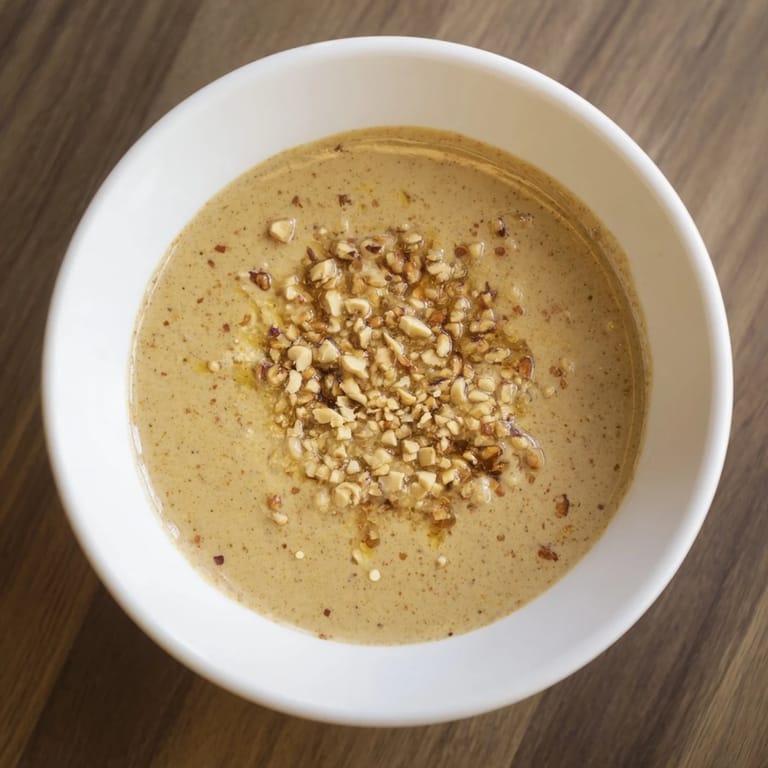
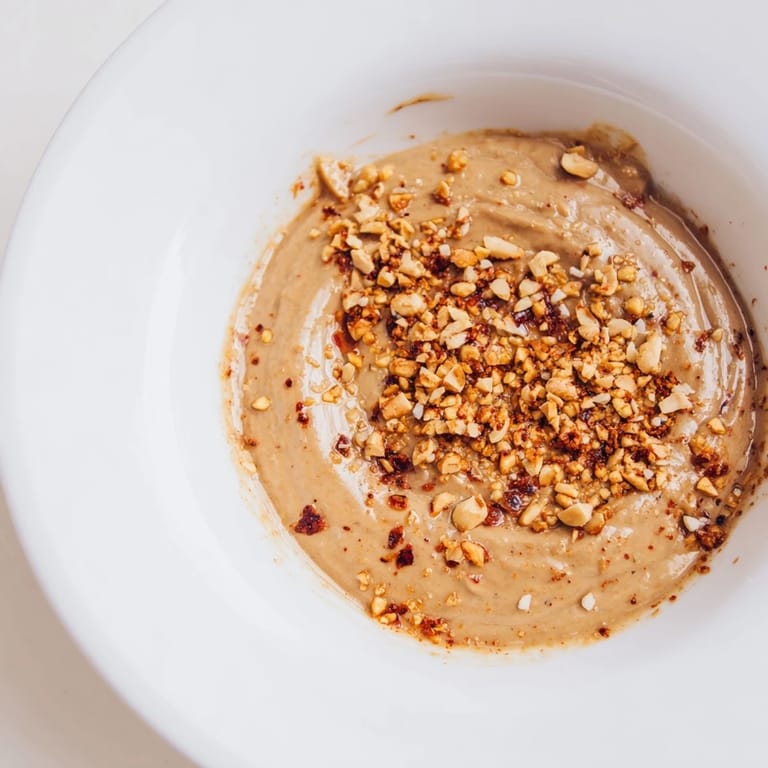
If you like texture, stir in a couple tablespoons of crushed roasted peanuts at the end for crunch. For a deeper, smokier flavor, add a pinch of smoked paprika or a dash of sesame oil. I've also swapped the brown sugar for honey when I'm out, and it works beautifully.
- Add a teaspoon of grated fresh ginger for a sharper, more aromatic kick.
- Use almond butter instead of peanut butter if allergies are a concern—it's milder but still delicious.
- For extra heat, finely mince a fresh red chili and simmer it with the sauce.
 Save
Save This sauce has become one of those recipes I don't even measure anymore—I just taste and adjust until it feels right. I hope it brings as much comfort and flavor to your table as it has to mine.
Recipe Questions & Answers
- → What ingredients give this sauce its creamy texture?
The creamy texture comes from smooth peanut butter combined with full-fat coconut milk, creating a rich and velvety base.
- → Can I adjust the spiciness of the sauce?
Yes, chili flakes can be increased or decreased to suit your preferred level of heat.
- → Is this sauce suitable for gluten-free diets?
Using gluten-free soy sauce alternatives like tamari or coconut aminos makes it gluten-free.
- → How should I store leftover sauce?
Keep it refrigerated for up to five days and gently rewarm before serving to maintain texture and flavor.
- → Can this sauce be made vegan?
Yes, simply omit optional fish sauce to keep it vegetarian and vegan-friendly.
- → What are good serving suggestions for this sauce?
Ideal for drizzling over grilled chicken, beef skewers, tofu, vegetables, or as a tasty salad dressing base.