 Save
Save I discovered this cheese board at a gallery opening on a cool autumn evening, where a friend had arranged a spread that stopped everyone mid-conversation. The soft purples and greys caught the light so beautifully that people gathered around it like it was part of the exhibition. That night, I tasted lavender-coated goat cheese for the first time, and something clicked—how elegant simplicity could be when every element was chosen with intention.
The first time I made this for my own gathering, I was nervous about whether the lavender would feel gimmicky or pretentious. But watching people's faces light up when they tried the combination of tangy goat cheese, delicate floral honey, and candied walnuts—that's when I understood this wasn't about being fancy, it was about creating a moment where flavors surprised and delighted.
Ingredients
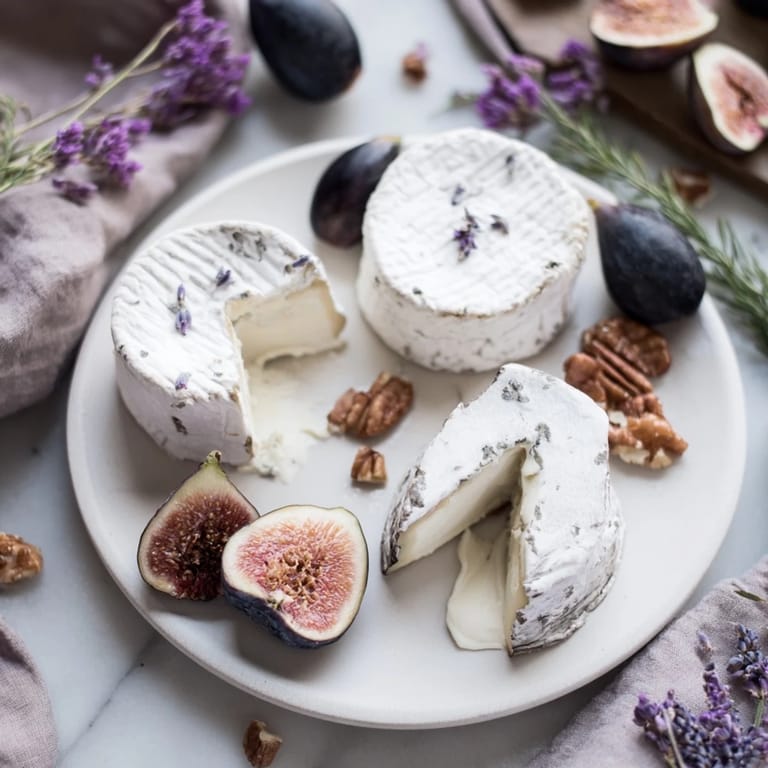
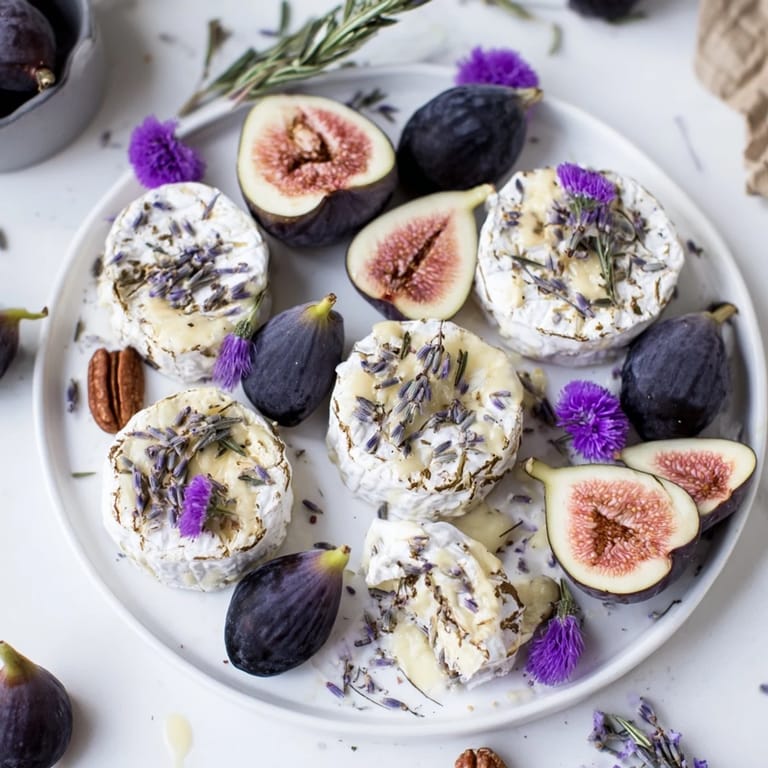
- Lavender-coated goat cheese: This is the star, with that beautiful purple coating that's equal parts visual and flavor—buy it at a good cheese counter and slice it just before serving so it stays creamy.
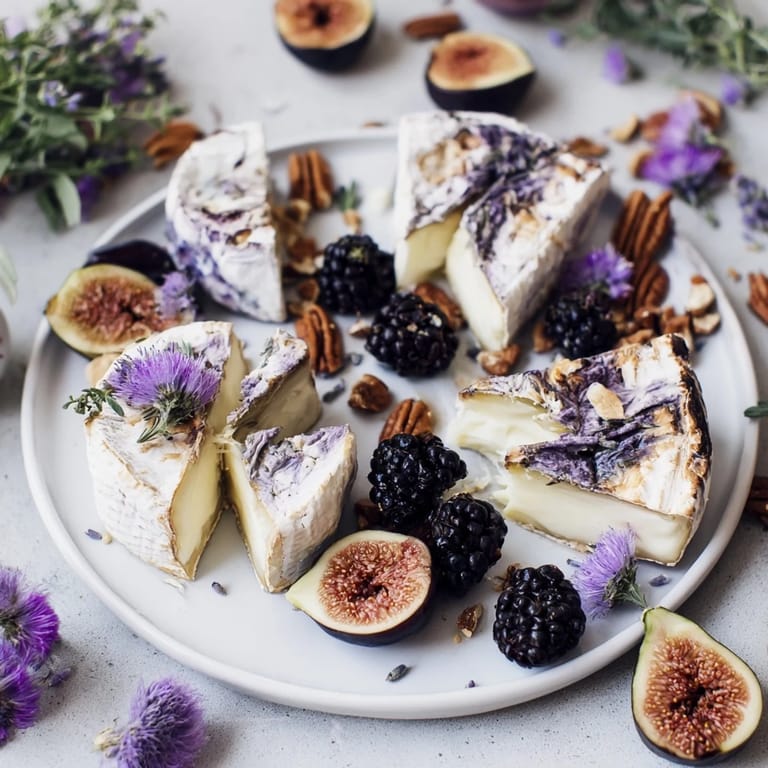
- Ash-rinded brie: The grey exterior looks sophisticated, and the interior is buttery and soft, balancing the tanginess of the goat cheese perfectly.
- Red or black grapes: Halving them makes them easier to eat on a cheese board and releases more juice for brightness.
- Fresh figs: If they're in season and ripe, they're incomparable—otherwise, dried figs work just as well and offer a deeper sweetness.
- Candied walnuts or pecans: These add crunch and a hint of sweetness that echoes the honey without being cloying.
- Lavender honey: This amplifies the floral theme, but regular honey is wonderful too if you can't find it.
- Edible flowers: Order from a trusted food supplier—violets and pansies have a delicate flavor that adds wonder to each bite.
- Fresh thyme: A small sprig tucked between items adds aroma and earthy balance to the sweetness.
- Toasted baguette slices and charcoal crackers: These are your vehicles for the cheese—the darker crackers echo the ash rind visually.
Tired of Takeout? 🥡
Get 10 meals you can make faster than delivery arrives. Seriously.
One email. No spam. Unsubscribe anytime.
Instructions
- Set your stage:
- Place your large serving board in front of you and take a breath—this is about arrangement as much as ingredients. Position the two cheeses first, leaving plenty of space around them for the supporting cast.
- Create fruit clusters:
- Gather your grapes and figs in small groups around the cheese, as if they're having their own conversation. Spacing matters because it makes everything feel intentional, not crowded.
- Add texture and sweetness:
- Scatter candied nuts between fruit and cheese in an organic way—think constellation, not grid. This is where your board starts looking like art.
- Drizzle with intention:
- Pour a small amount of lavender honey directly over the goat cheese so it pools slightly, inviting people to dip their cracker right in. Keep extra honey in a small bowl nearby.
- Finish with flourish:
- Tuck edible flowers and thyme sprigs into gaps and on top of cheeses, letting some spill naturally across the board. This final step transforms it from nice to memorable.
- Complete the board:
- Arrange toasted baguette and charcoal crackers in one corner, leaving room for guests to reach everything easily. Step back and look at the whole thing before serving—adjust anything that doesn't feel balanced.
 Save
Save There's a moment that happens almost every time I serve this—when someone takes their first bite and pauses, surprised by how the floral notes work with the salt and creaminess. That small silence, that moment of discovery, is why I keep making it.
The Color Story
The magic of this board lives in its palette—those soft purples and greys aren't just pretty, they create an atmosphere before anyone even tastes anything. I've learned that when you limit your color story this way, each element sings instead of competing. If you want to deepen the effect, toss in a few purple endive leaves or paper-thin slices of purple radish—they echo the lavender and add a subtle peppery note.
Wine Pairing Wisdom
A chilled Provence rosé is the obvious choice, with its own floral subtlety that mirrors the board. But I've had stunning results with a Gewürztraminer, which has that lush, almost perfumed quality that dances with the lavender honey and edible flowers. The wine should feel like part of the experience, not an afterthought.
Making It Your Own
This board is a framework, not a rulebook—swap ingredients based on what looks good at your market and what your guests need. The principle is always the same: contrast soft with firm, sweet with tangy, aromatic with understated. Once you understand that balance, you can build infinite versions of this.
- For a gluten-free version, use quality gluten-free crackers instead of the baguette without changing anything else.
- If edible flowers feel too fussy, skip them and add more fresh herbs or a few black olives for visual interest.
- In summer, swap figs for fresh apricots or peaches to keep the board seasonal and bright.
 Save
Save This cheese board taught me that the most memorable meals don't require cooking—they require paying attention to beauty and flavor working together. Serve it with confidence and watch your guests slow down.
Recipe Questions & Answers
- → What cheeses are used in this platter?
Lavender-coated goat cheese and ash-rinded brie form the centerpiece, offering a mix of floral and creamy flavors.
- → Can I substitute the baguette for gluten-free options?
Yes, gluten-free crackers can replace the baguette to accommodate gluten sensitivity.
- → How does lavender honey affect the flavor?
Lavender honey adds a subtle floral sweetness that complements the cheese and fruit components beautifully.
- → What garnishes work best for presentation?
Edible flowers such as violets or pansies and fresh thyme sprigs add color, aroma, and elegance to the platter.
- → What nuts are recommended for this board?
Candied walnuts or pecans offer a sweet crunch that balances the creamy and fruity elements.