 Save
Save I stumbled onto this cottage cheese flatbread pizza by accident one Tuesday night when I was staring into my fridge wondering how to salvage a container of cottage cheese I'd barely touched. My partner mentioned wanting pizza but we'd been trying to cut back on carbs, and instead of ordering out, I thought, why not blend what I have? Twenty minutes later, we were pulling a golden, cheesy crust from the oven that tasted nothing like diet food. It became our Wednesday tradition almost instantly.
What really sold me was when my sister came over unexpectedly and I threw this together while she was sitting at the counter. She thought I'd ordered it until I showed her the three ingredients blended together forming the base. That moment when she realized there was no flour involved felt like I'd just shown her a magic trick, and she's been making it every weekend since.
Ingredients
- Cottage cheese (1 cup, full-fat or low-fat): This is your secret weapon for a tender crumb structure that rivals traditional pizza dough; full-fat versions blend smoother but low-fat works just as well.
- Eggs (2 large): They act as a binder and give the crust structure, so don't skip them or use egg substitutes here.
- Mozzarella cheese (1/2 cup grated): Use freshly grated if you can, since the anti-caking agents in pre-shredded can affect the texture slightly.
- Parmesan cheese (1/4 cup grated): This adds a subtle nutty depth that makes people ask what your secret ingredient is.
- Coconut flour (2 tablespoons): It absorbs moisture beautifully; if you swap for almond flour, the crust will be denser and nuttier but equally delicious.
- Baking powder (1/2 teaspoon): Essential for lift and a slightly airy texture throughout the crust.
- Garlic powder, dried oregano, salt, and pepper: Season generously here since these flavors carry the entire crust when there's no yeast involved.
- Sugar-free tomato sauce (1/2 cup): Choose one with minimal additives; your sauce will shine when the crust doesn't compete with it.
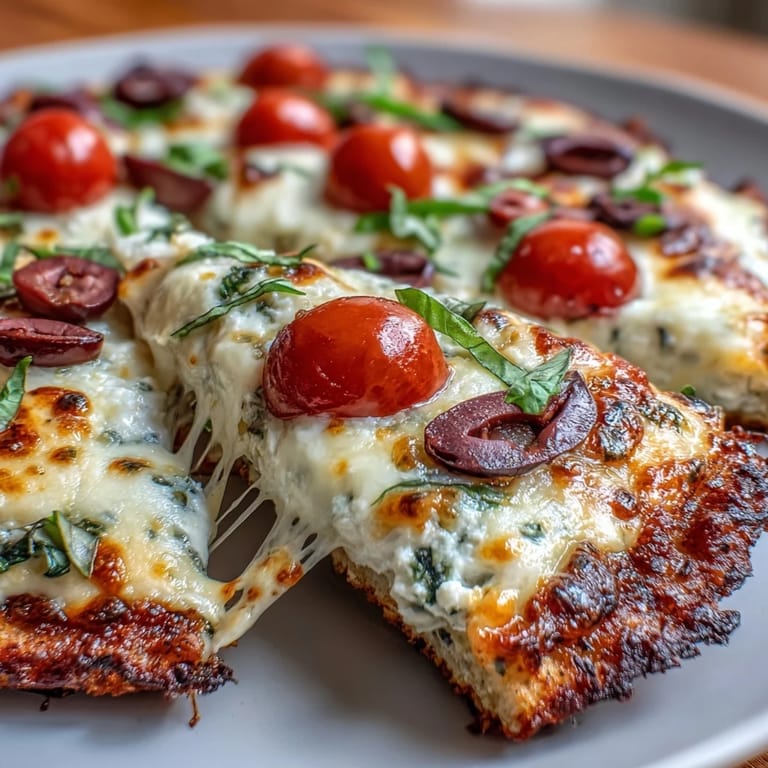
- Mozzarella cheese for topping (1/2 cup shredded): This is what gives you those golden, bubbly pockets of deliciousness.
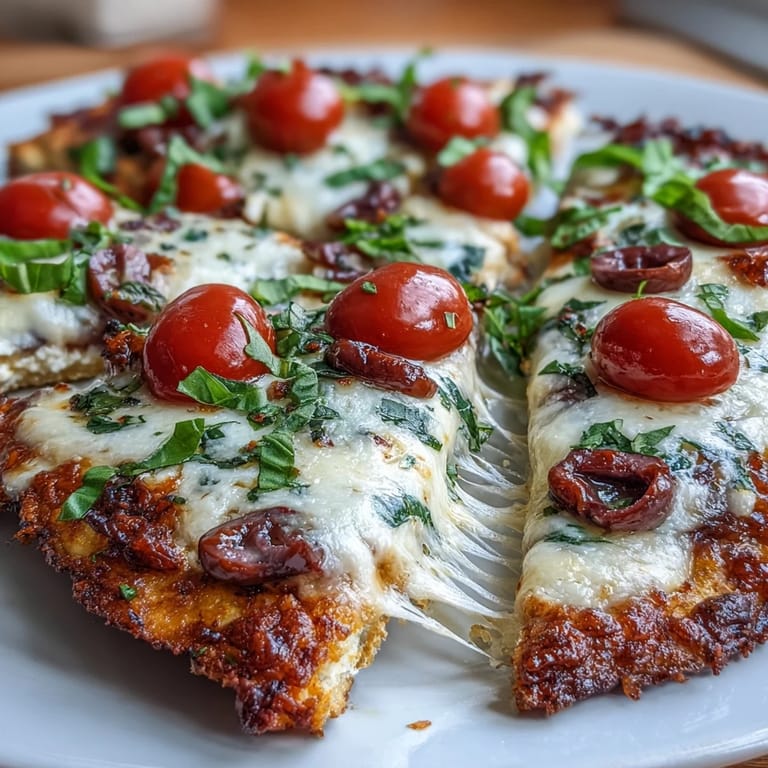
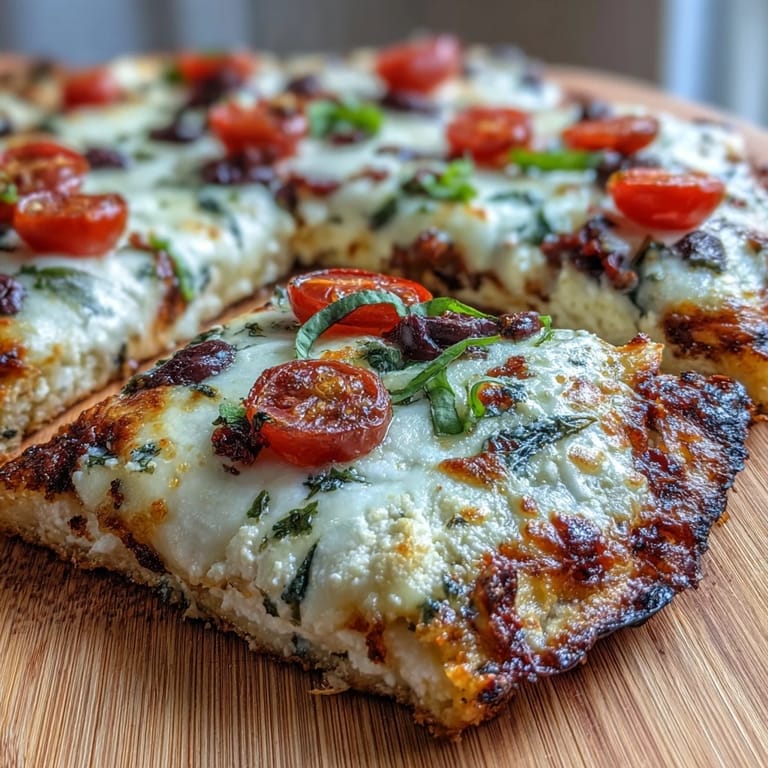
- Black olives and cherry tomatoes for topping: Fresh toppings brighten the whole thing; add them after the first bake so they don't dry out.
- Fresh basil leaves for garnish: Tear them by hand right before serving so they don't bruise or turn dark.
Tired of Takeout? 🥡
Get 10 meals you can make faster than delivery arrives. Seriously.
One email. No spam. Unsubscribe anytime.
Instructions
- Prepare your workspace:
- Heat your oven to 400°F and line a baking sheet with parchment paper, which saves cleanup and prevents sticking better than greasing alone.
- Blend the base:
- Pour cottage cheese and eggs into a blender or food processor and blend until completely smooth and creamy, about 1-2 minutes. You want zero lumps here because they'll create odd texture pockets in your crust.
- Combine the dry mixture:
- In a large bowl, mix your blended cottage cheese and eggs with mozzarella, parmesan, coconut flour, baking powder, garlic powder, oregano, salt, and pepper until you have a thick, pancake-like batter. This should take about 2 minutes of stirring.
- Spread and shape:
- Pour the batter onto your parchment-lined sheet and spread it into a 10-inch oval or rectangle about 1/3-inch thick, using a spatula or the back of a spoon. The edges should be slightly thicker than the center, just like a real pizza.
- First bake:
- Bake for 15 minutes until the crust is lightly golden and feels set when you gently press it. You're looking for that moment when it's gone from wet batter to cooked but not yet crispy.
- Add toppings:
- Pull the pizza out, spread your tomato sauce evenly across the entire surface, then scatter mozzarella, olives, and cherry tomatoes. Don't overload it or the crust will get soggy.
- Second bake and finish:
- Bake for 5-7 minutes more until the cheese bubbles and starts to brown slightly. If you prefer a crispier crust, broil for 1-2 minutes at the very end, but watch it closely.
- Garnish and serve:
- Remove from the oven, scatter fresh basil over the top, let it cool for just 2 minutes so it's still hot but you can actually handle it, then slice and enjoy.
 Save
Save The moment I realized this was more than just a weeknight hack was when my partner mentioned it without me suggesting it. He'd made it for lunch while I was at work and came home excited to tell me he'd finally found a pizza solution that fit his goals. That's when I knew it had crossed from recipe into something we actually wanted to eat.
Customizing Your Toppings
The beauty of this crust is how forgiving it is with toppings. I've done pepperoni and spinach when I wanted something heartier, roasted mushrooms and red peppers for a vegetable-forward version, and even a white pizza with ricotta and prosciutto. The crust holds up to whatever you throw at it because it's sturdy enough to be substantial but light enough to let your toppings shine. Just remember that wet toppings like fresh tomatoes should go on after the first bake to prevent sogginess.
Texture and Crust Variations
If you swap almond flour for coconut flour, you'll get a denser, more substantial crust with a subtle nuttiness that some people prefer. I've done this version and served it to friends who couldn't tell it was low-carb at all. For a crispier finish, try broiling the topped pizza for the last minute or two, though you have to watch it vigilantly because cheese can burn in seconds. The original coconut flour version stays tender and almost creamy inside while still being substantial enough to hold toppings without drooping.
Storage and Reheating Tips
Leftover pizza keeps beautifully in the fridge for up to three days in an airtight container. Reheat it in a 350°F oven for about 5 minutes rather than the microwave, which makes the crust chewy instead of crispy. I've also frozen leftover slices for up to two weeks, and they thaw and reheat just like the original.
- Make the crust ahead and keep it in the fridge for up to two days before adding toppings and the second bake.
- If your crust spreads unevenly, just gently shape it with your hands before the first bake without worrying about perfection.
- Keep fresh basil in a glass of water on the counter if you're not using it immediately, and add it only right before serving so it stays vibrant.
 Save
Save This pizza has genuinely changed how I think about weeknight cooking, turning something I assumed had to be complicated into something I can make faster than delivery arrives. It proves that sometimes the best kitchen discoveries come from working with what you have on hand instead of following a strict plan.
Recipe Questions & Answers
- → What is the base of the flatbread made from?
The base combines cottage cheese, eggs, mozzarella, parmesan, and coconut or almond flour, creating a tender, high-protein crust.
- → How do I make the flatbread crust crispier?
Broiling the topped flatbread for 1–2 minutes at the end helps achieve a crispier crust with bubbly cheese.
- → Can I substitute ingredients to suit dietary needs?
Yes, almond flour can replace coconut flour for a nuttier flavor, and toppings like pepperoni or spinach can be swapped in as desired.
- → Is this flatbread suitable for gluten-free diets?
Yes, the use of coconut or almond flour keeps the flatbread gluten-free, but always check ingredient labels to avoid cross-contamination.
- → What tools are needed to prepare the flatbread?
A blender or food processor for blending, a mixing bowl, baking sheet lined with parchment, and a spatula are all required.