 Save
Save My first matcha latte came from a tiny café in Kyoto where the owner handed me a steaming cup with the kind of care usually reserved for newborns. I watched her whisk the powder with practiced precision, and something about that ritual—the sound of the bamboo whisk against ceramic, the way the green transformed into liquid velvet—made me understand that this wasn't just tea, it was a moment. Now I make them at home and chase that same quiet magic every morning.
I made this for my sister last winter when she was stressed about exams, and she sat at my kitchen counter cradling the warm mug like it was the only solid thing in her world. She didn't say much, just kept sipping and staring out the window, but afterward she texted that it was the calm she needed. That's when I realized matcha lattes aren't really about caffeine—they're about permission to slow down.
Ingredients
- Matcha green tea powder: Use ceremonial grade if you can find it, because the difference between that and culinary matcha is like comparing silk to burlap—one is meant for sipping, the other for baking.
- Hot water (80°C or 175°F): Boiling water scorches the delicate flavor and turns your beautiful green into something bitter and regretful, so use a thermometer or just let boiling water cool for about three minutes.
- Milk (dairy or plant-based): Oat milk froths like a dream and adds subtle sweetness, but honestly, use whatever brings you joy—that matters more than the label.
- Honey, maple syrup, or sugar (optional): Taste before sweetening, because matcha has its own gentle sweetness that some palates pick up immediately while others miss it entirely.
Tired of Takeout? 🥡
Get 10 meals you can make faster than delivery arrives. Seriously.
One email. No spam. Unsubscribe anytime.
Instructions
- Sift your matcha like you mean it:
- Push the powder through a fine mesh sieve into a bowl or mug, breaking up any clumps with the back of a spoon. This step feels tedious until you taste the difference—lumpy matcha is grainy, sifted matcha is silk.
- Whisk with intention:
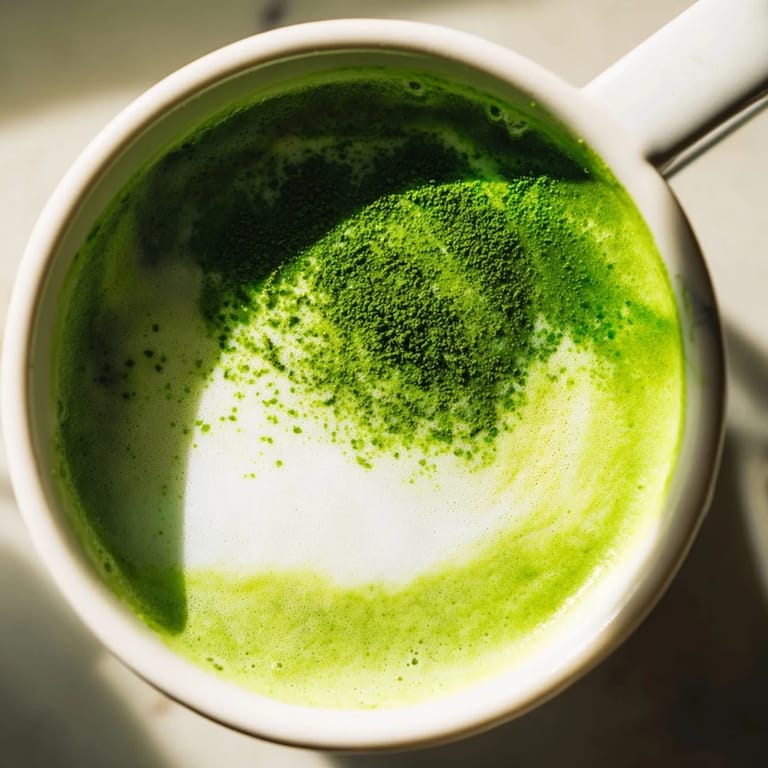
- Pour the hot water over the sifted matcha and whisk in quick zigzag motions, like you're drawing tiny mountains across the surface. You'll hear it transition from grainy to smooth, and watch the color shift to that impossible vibrant green—that's your signal you're doing it right.
- Prepare your milk:
- Pour milk into a small saucepan and heat over medium until steam rises gently, or use a milk frother if you have one. The moment it steams without boiling is your window—any longer and it develops that burnt edge that haunts the rest of your drink.
- Build your latte:
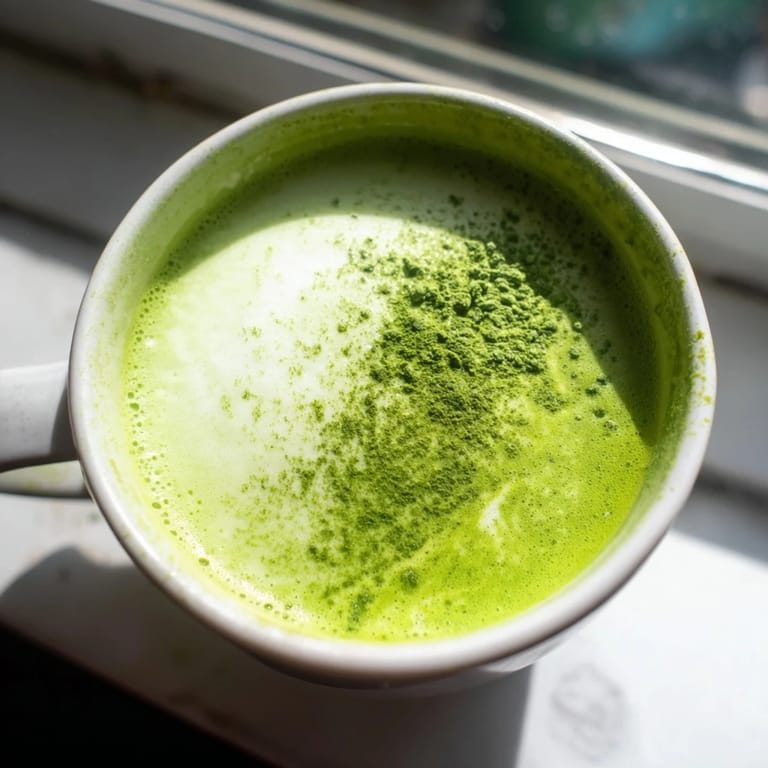
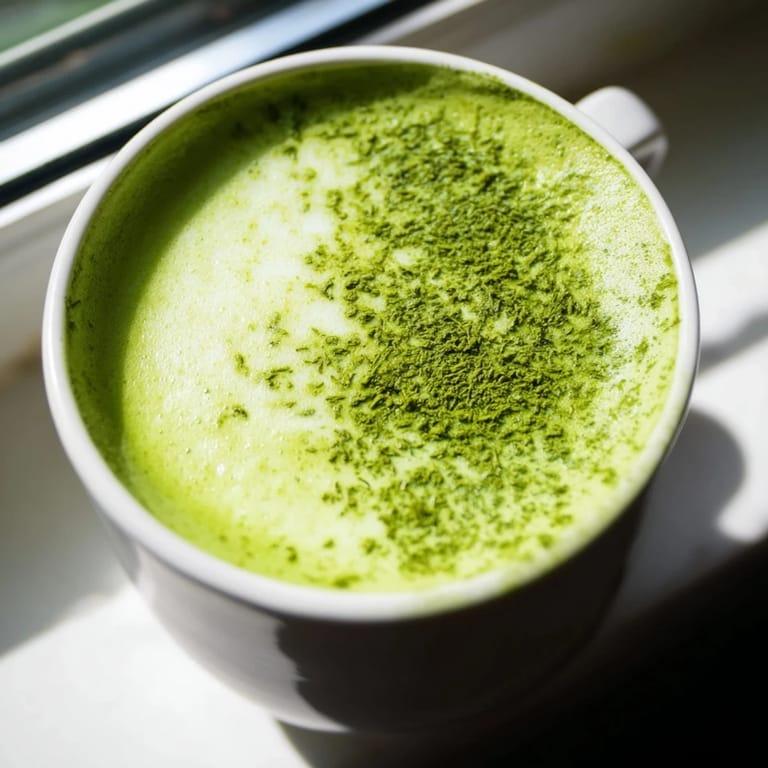
- Divide the matcha mixture between two mugs, add sweetener if desired, then pour the steamed milk slowly while holding back the foam with a spoon. Crown each mug with a generous spoonful of that silky foam, which catches the light like jade.
- Serve and savor:
- Drink it immediately while the temperature is perfect and the foam hasn't deflated into itself. This is the moment you made this drink for—don't let it go cold while you check your phone.
 Save
Save My neighbor started making these after I shared the recipe, and now we have unofficial matcha mornings where we sit in her garden comparing notes on milk frothing techniques and matcha brands. It turned a beverage into a tradition, which is maybe the highest compliment a recipe can receive.
Choosing Your Matcha
Ceremonial grade matcha is genuinely worth the extra cost because it's processed to preserve delicate flavor notes, while culinary grade tastes more earthy and bitter. I made the mistake of buying the cheapest option once, and the resulting latte tasted like green chalk, so now I spend a little more and actually enjoy the experience. Look for powder that's bright, almost neon green—that's freshness, and freshness matters more than the price tag.
The Foam Matters More Than You Think
The foam isn't just decoration, it's texture and temperature control and the thing that makes you feel fancy on a regular Tuesday. A bamboo matcha whisk creates finer, silkier bubbles than a regular whisk, but if you don't have one, a small regular whisk works fine—it just takes slightly more elbow grease. The act of creating it is meditative, which is probably the actual point of this whole ritual.
Making It Your Own
Once you master the basic technique, the variations branch out in delicious directions. I've added a pinch of salt to balance the sweetness, stirred in vanilla extract for warmth, and even tried a splash of bourbon for an evening version that nobody asked for but everyone wanted to try. The foundation is flexible enough to support your moods.
- Try adding a splash of vanilla extract or a pinch of sea salt to layers of complexity that make people ask what your secret ingredient is.
- Iced matcha lattes work beautifully—just chill the matcha mixture first and pour it over ice with cold milk for summer mornings.
- Leftover matcha powder keeps in an airtight container away from light for about a month, though it loses its brightness, so buy only what you'll use regularly.
 Save
Save This drink became my favorite way to start mornings not because of the caffeine, but because it reminds me to slow down and pay attention to small rituals. Make one for yourself, or better yet, make one for someone else and watch how something as simple as whisked green powder becomes a moment you both remember.
Recipe Questions & Answers
- → What is matcha and where does it come from?
Matcha is a finely milled green tea powder from Japan, traditionally used in tea ceremonies. Unlike regular green tea, you consume the whole leaf, providing more nutrients and a vibrant green color.
- → Can I use any milk for this latte?
Yes, you can use dairy milk or any plant-based alternative like almond, oat, soy, or coconut milk. Each brings a slightly different flavor profile—oat milk adds creaminess, while almond milk provides a subtle nuttiness.
- → How do I get a frothy matcha latte at home?
Whisk the matcha briskly in a zigzag motion with hot water to create froth. For milk foam, use a milk frother, or heat the milk in a saucepan and whisk vigorously. Pour gently and hold back the foam with a spoon for a layered effect.
- → Is matcha latte vegan and gluten-free?
Yes, matcha latte is naturally gluten-free. To make it vegan, use plant-based milk and a vegan sweetener like maple syrup or agave instead of honey. Always check ingredient labels for cross-contamination if you have allergies.
- → Can I make a cold matcha latte?
Absolutely. Prepare the matcha the same way with hot water, let it cool slightly, then pour it over ice and add cold milk. You can still froth cold milk using a handheld frother for a delicious iced version.
- → How can I adjust the matcha flavor strength?
Increase or decrease the amount of matcha powder based on your preference. Start with 2 teaspoons and add more for a stronger, earthier flavor or use less for a milder, subtly sweet taste.