 Save
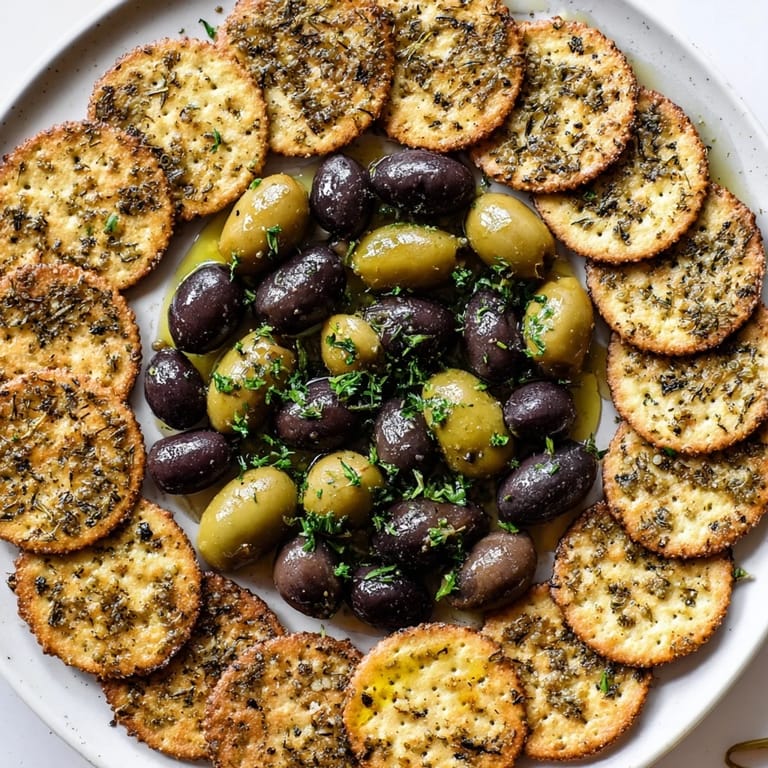
Save I discovered this platter concept during a particularly chaotic dinner party when I realized I'd run out of time for an elaborate appetizer spread. Instead of panicking, I grabbed a round board, stood some crackers upright in circles, and piled olives in the center—and somehow it looked intentional, theatrical, almost like an ancient arena. My guests actually paused before diving in, admiring the arrangement like it was edible architecture. That's when I realized the best entertaining ideas often come from happy accidents and a willingness to have fun with what you've got on hand.
Last spring I made this for a book club meeting, and what struck me most was watching people naturally gravitate toward the center olives—they'd grab a cracker, reach for an olive, and suddenly they were building their own little bites. Someone called it "edible theater," and I loved that the platter wasn't just food but an experience, a reason to slow down and be playful for ten minutes before settling into the evening's real conversation.
Ingredients
- Round or oval crackers (100–120 g, about 40–50 pieces): Look for sturdy crackers that stand upright without bending—they're the architecture of your platter, so their structural integrity matters as much as their flavor.
- Mixed olives, pitted (1 cup, about 150 g): Choose a mix of green and black for visual drama and to keep people curious about which one they'll grab next; pitted ones let guests enjoy them without wrestling.
- Fresh parsley, finely chopped (2 tbsp, optional): The bright fleck of green brings freshness and signals that you put thought into the details, even for something so casual.
- Extra virgin olive oil (1 tbsp, optional for drizzling): A small glug catches the light and adds richness without overwhelming the subtle flavors already present.
- Cubed cheese like aged provolone or mozzarella (50 g, optional): Adds a savory anchor and gives people another flavor to explore among the crackers and olives.
- Cherry tomatoes, halved (50 g, optional): They bring color that pops against the muted tones of olives and crackers, and their slight sweetness balances the salt.
Tired of Takeout? 🥡
Get 10 meals you can make faster than delivery arrives. Seriously.
One email. No spam. Unsubscribe anytime.
Instructions
- Pick your arena:
- Choose a large round platter or board that feels generous and inviting, something you don't mind being the centerpiece of your table. The shape is half the magic here.
- Build the tiered seating:
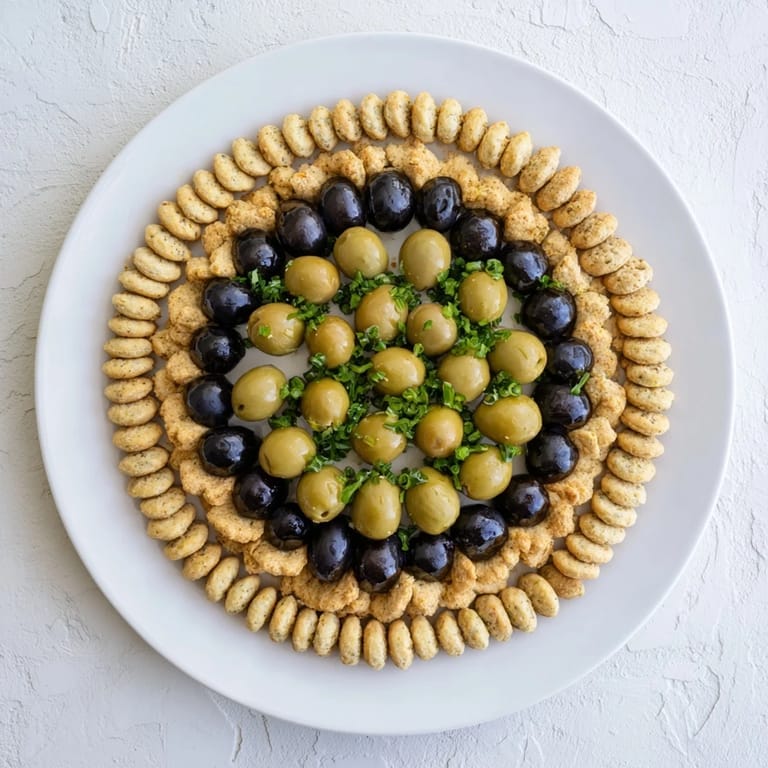
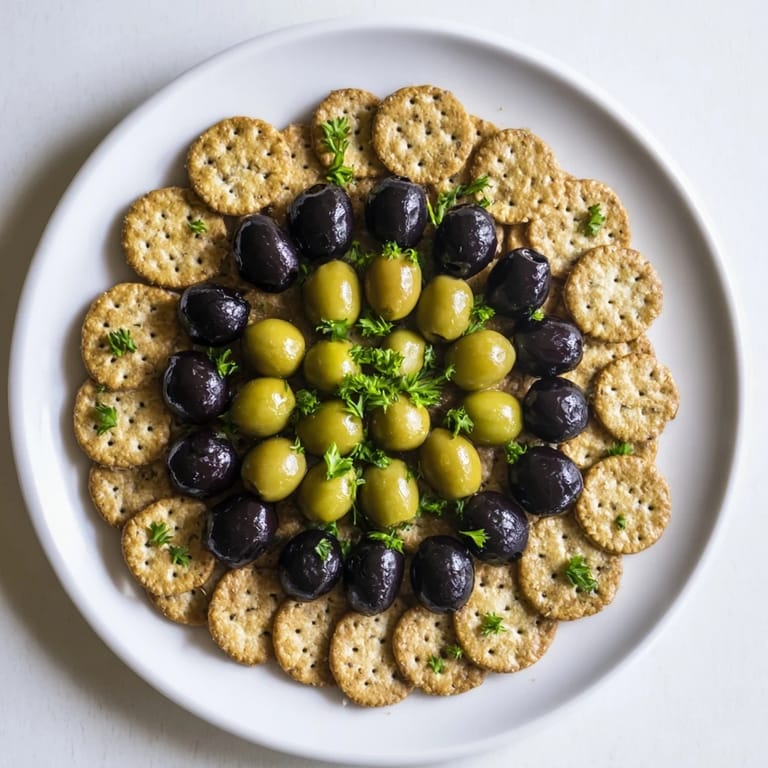
- Stand your crackers upright around the outer edge, angling them slightly or overlapping them to create those concentric circles that echo the Colosseum's layers. Work your way inward if you have room, building two or three rings if the platter allows—this is where the visual drama happens.
- Crown it with gladiators:
- Pile the mixed olives in a generous mound at the very center, creating a little dark jewel in the middle of all those pale crackers. This is your focal point, so don't be shy with them.
- Add your flourishes:
- Scatter cubed cheese and halved tomatoes around the olives if you're using them, filling in gaps and adding pockets of color and texture. This is where you follow instinct rather than precision.
- Finish with intention:
- Sprinkle the chopped parsley over everything for that final whisper of green, then drizzle with olive oil if you like the way it catches light and deepens flavors. Let it sit for just a moment before bringing it to the table, letting all those elements settle.
 Save
Save What really got me about this platter was realizing it's not just about feeding people—it's about creating a moment where your table becomes this miniature, edible world. Watching someone construct their own bite, choosing their olive, picking their cracker, somehow made the whole gathering feel more connected and intentional.
How to Make It Your Own
The beauty of this platter is that it's endlessly adaptable to what's already in your kitchen. Swap crackers for breadsticks or crostini if that's what you have, or if you're feeling fancy, try thin slices of toasted bread brushed with garlic and oil. The formula stays the same—something sturdy around the edges, something flavorful in the middle, and room to play.
Making It Work for Different Diets
For a vegan version, simply skip the cheese or swap it for a cashew-based option that has that creamy quality. For gluten-free gatherings, the market now offers plenty of solid gluten-free crackers that hold their shape just as well. For anyone avoiding processed foods, homemade crostini or even thin vegetable slices work beautifully in place of store-bought crackers.
Serving Suggestions and Pairing Ideas
This platter lives best as a centerpiece while people mingle, sip, and chat, so set it out about 10 minutes before your guests arrive and let it be the first thing they see. The casual, interactive nature means it works equally well for a formal wine tasting or a casual game night. Pair it with a crisp Italian white wine, prosecco for celebration, or sparkling water with lemon if you're keeping things alcohol-free—anything that cleanses the palate between the salty olives and the mild crunch of crackers.
- Serve with small plates or napkins nearby so guests can build their bites without worry.
- Keep toothpicks handy for anyone who wants to spear an olive without using their fingers.
- Refresh the olive mound halfway through the party if it starts looking sparse—abundance is part of the visual appeal.
 Save
Save There's something deeply satisfying about a platter that makes people linger and enjoy a moment together, and this one does exactly that. Every time you set it out, you're not just serving snacks—you're setting a mood.
Recipe Questions & Answers
- → What type of crackers work best for this platter?
Round or oval crackers that can stand upright or slightly overlap work best to mimic the tiered seating of the Colosseum.
- → Can I customize the garnish in this snack platter?
Yes, fresh parsley and a drizzle of extra virgin olive oil add brightness, and optional cubed cheese or cherry tomatoes enhance color and flavor.
- → Is there a gluten-free option available?
Gluten-free crackers can replace regular crackers to accommodate gluten intolerance without compromising the visual effect.
- → How should the olives be prepared for the platter?
Use mixed green and black pitted olives piled in the center to represent gladiators; they can be left plain or lightly drizzled with olive oil and parsley.
- → What serving tools are recommended?
A large round serving platter helps create the visual arena, and tongs or toothpicks make serving olives easier and more hygienic.