 Save
Save The first time I stepped into a vineyard in rural Tuscany, I watched a farmer's wife casually drape fresh grapevines across a wooden table alongside wheels of cheese for lunch. It was so simple, yet the way the green leaves caught the light and the grapes hung naturally from the stems made it feel like edible art. I realized that moment that the most memorable food isn't always complicated—sometimes it's just about letting beautiful ingredients speak for themselves and trusting that presentation can be as nourishing as taste.
I made this for a small harvest gathering last autumn, and what struck me was how everyone gravitated toward it differently than a traditional cheese board. Someone started by following the vine trail with their fingers, another person kept pairing the grapes with different cheeses like a tasting game. The dish became less about consumption and more about exploration and connection, which felt exactly right.
Ingredients
- Young, rustic cheese wheels (2 large, about 1.5 kg each): The key is choosing cheeses that still have that tender, slightly yielding texture—tomme, young pecorino, or farmhouse varieties work beautifully because they're mild enough to let the grapes shine, but complex enough to hold their own.
- Fresh grapevine branches (3–4 long, untreated): These are the backbone of the presentation, so hunt them down from local vineyards or specialty produce suppliers who can guarantee they've never been sprayed—the leaves should still have a faint dusty bloom.
- Fresh grapes (500 g, red, green, or mixed): Keep them on the stem whenever possible; it's those little details that make the whole board feel intentional and vineyard-authentic.
- Baguette or rustic country bread: Sliced thick enough to hold cheese and toppings without tearing, but thin enough to feel elegant.
- Assorted nuts (100 g, walnuts or almonds): These add contrast and keep the board from feeling too soft and creamy.
- Dried fruits (100 g, figs or apricots): They bring sweetness that plays beautifully against the cheese's earthiness and salt.
Tired of Takeout? 🥡
Get 10 meals you can make faster than delivery arrives. Seriously.
One email. No spam. Unsubscribe anytime.
Instructions
- Prepare your canvas:
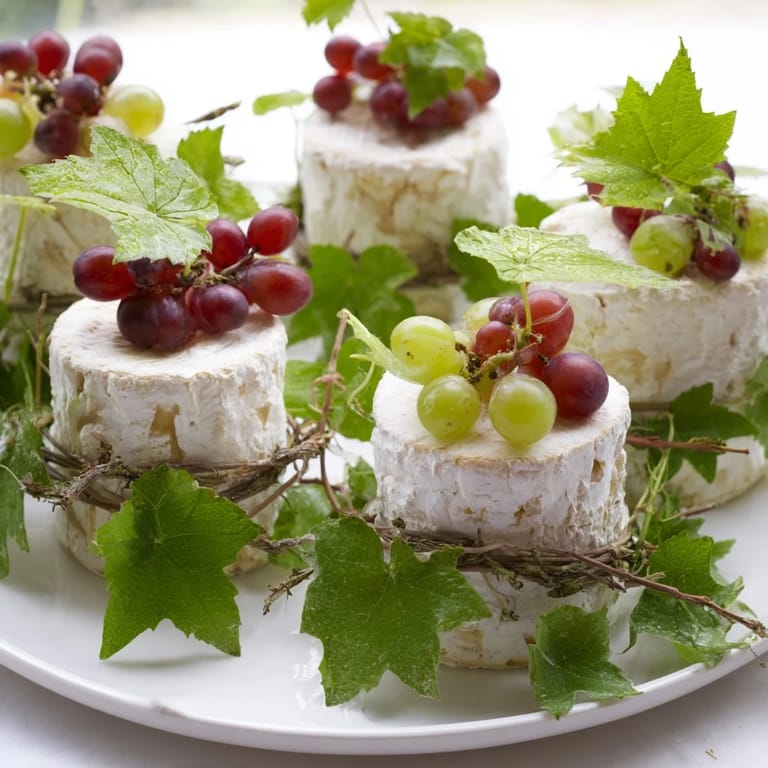
- Start with a large wooden board or rustic platter as your base—something with enough surface space to let the vines breathe and sprawl. Position the two cheese wheels so they're the anchors, leaving room around them for the vines to drape naturally.
- Arrange the grapevine branches:
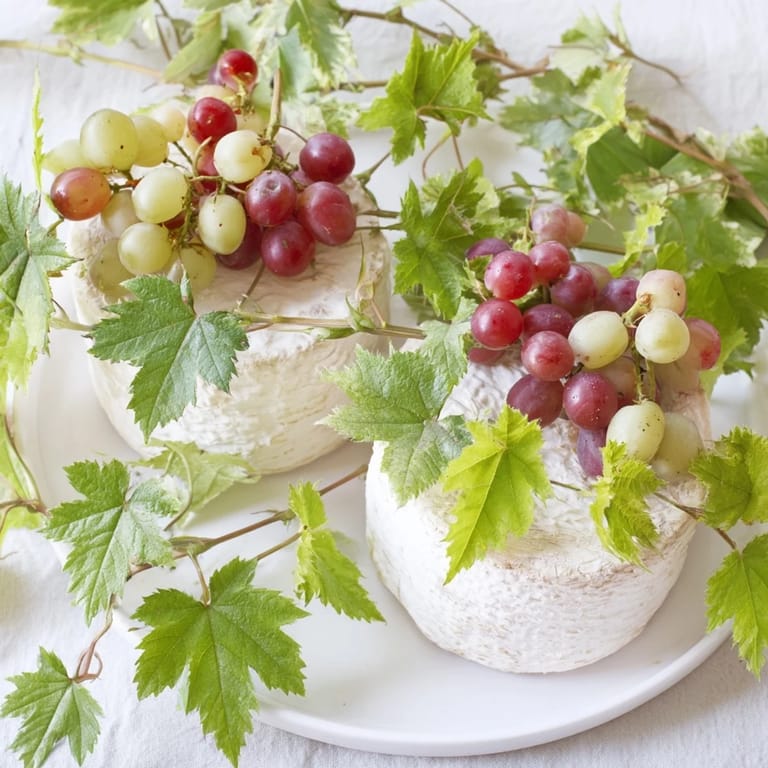
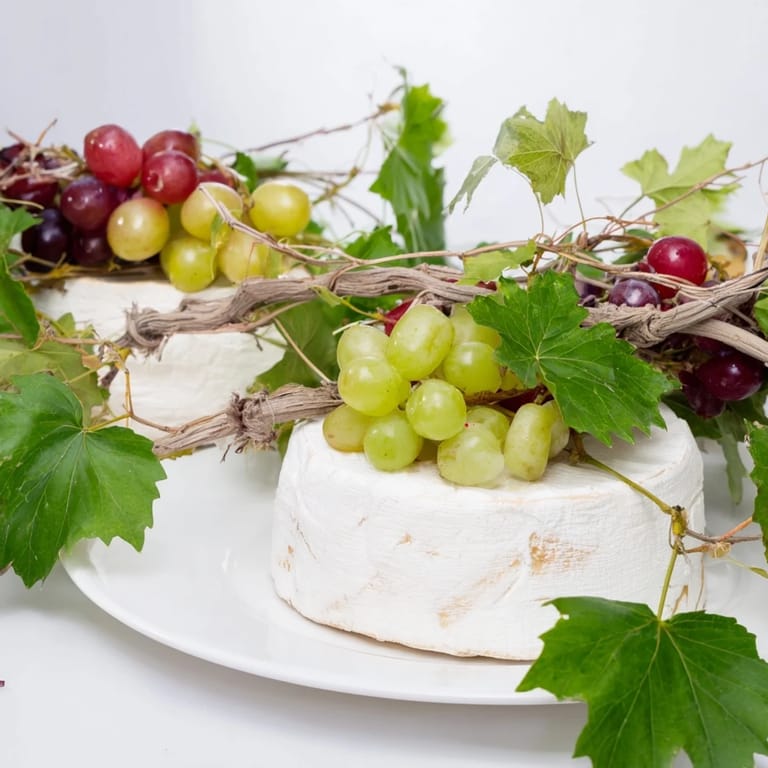
- Lay the branches over and around the cheese wheels, letting the leaves and stems fall where they want to rather than forcing them into a pattern. The magic happens when it looks effortless, like you just pulled them from the vineyard and arranged them as they fell.
- Tuck in the grapes:
- Nestle clusters of fresh grapes among the vines and around the cheese wheels, filling in the negative space with pops of color. They should look like they're growing from the arrangement, not scattered randomly.
- Build the supporting cast:
- Arrange your bread slices in small casual piles, then scatter the nuts and dried fruits around the board in little groupings. Leave some white space—a crowded board loses its appeal.
- Serve with intention:
- Bring everything to room temperature before serving so the cheese tastes creamy and the flavors are fully present. Set out a good cheese knife and let people cut and pair as they wish.
 Save
Save What I love most about this dish is watching people's faces when they realize they're eating something beautiful. It reminded me that food is never just about flavor—it's about the moment, the story, the hands that prepared it.
Sourcing Ingredients Like You Mean It
The truth is, this dish lives or dies by ingredient quality. Visit farmers markets early, introduce yourself to the cheese makers and growers, and ask questions. A farmhouse cheese vendor will tell you exactly which wheels are young and creamy, and a vintner might even save you grapevine cuttings if you ask nicely. These relationships make the difference between a nice board and one that tastes like it came straight from someone's hands to yours.
Understanding Rustic Cheese
Young, rustic cheeses are different from their aged cousins—they're still soft, sometimes slightly wet, and their flavor hasn't crystallized into sharpness yet. This is exactly what you want here because they're gentle and approachable, letting the delicate sweetness of grapes take the lead instead of fighting for attention. If you can't find true farmhouse cheese, look for young tomme or seek out local cheesemakers; chain store versions rarely have the same character.
Making It Yours
The beauty of this presentation is that it's flexible enough to adapt to what's available and what you love. Swap in different cheeses based on the season, use whatever nuts are freshest, and if you can't find grapevines, grape leaves work beautifully and look just as lush when arranged thoughtfully. One small honeydrizzle or whisper of good olive oil can elevate the whole thing without changing the spirit of what makes it special.
- If you're feeling fancy, warm a small bowl of local honey and set it nearby for gentle drizzling over the cheese.
- A sharp cheese knife and small bread knife at the board let guests serve themselves with confidence.
- Keep a damp cloth nearby to wipe your hands between tastings—this is communal eating at its best.
 Save
Save This dish is a reminder that some of the most memorable food moments don't come from complex recipes—they come from respecting ingredients and presenting them with care. Gather your people around it and watch what happens.
Recipe Questions & Answers
- → What type of cheese works best with grapevines?
Young, rustic, unfinished cheeses such as tomme or farmhouse styles pair well, offering mild, creamy textures that complement fresh grapes.
- → Can grape leaves substitute for grapevines?
Yes, grape leaves can be used as a substitute if full grapevines are unavailable, still providing a vineyard-like aesthetic.
- → How should the grapevines be prepared before use?
Use untreated grapevine branches that are thoroughly washed and dried to ensure safety and maintain their fresh appearance.
- → What accompaniments enhance this dish?
Rustic bread, assorted nuts, and dried fruits add texture and flavor variety, enhancing the natural elements of the cheese and grapes.
- → Is any cooking required to prepare this dish?
No cooking is needed. The dish is assembled fresh, making it quick and simple with a focus on natural ingredients.