 Save
Save My sourdough starter had been neglected for weeks, sitting in the back of my fridge like a forgotten houseplant, and I felt guilty enough to finally feed it. But before I could get to that, I realized I had three overripe bananas on the counter that needed rescuing. Standing there with a bowl of discard in one hand and spotty yellow fruit in the other, something clicked—why not make them work together? That first loaf came out of the oven with this impossibly fragrant, almost caramel-like aroma that filled my entire kitchen, and I knew I'd stumbled onto something worth repeating.
I brought a warm slice to my neighbor last Tuesday morning with a smear of cream cheese, and she took one bite, closed her eyes, and said nothing for a full ten seconds—which from her meant everything. She came back three days later asking if I could make another one because she'd eaten the entire loaf in two days and felt embarrassed about it. Watching someone love your food that much, without any pretense or politeness, is honestly why I keep baking.
Ingredients
- Ripe bananas (1 cup mashed, about 2 large): They should be spotted and soft enough to break apart with your thumb—this is where the real sweetness and moisture come from, so don't use ones that are still mostly yellow.
- Sourdough discard (1/2 cup, unfed and room temperature): This is the star ingredient that gives the bread a subtle tang and incredible moisture; using unfed discard (the stuff you'd normally throw away) actually works better here than mature, bubbly starter.
- Melted unsalted butter (1/2 cup): Cooling it slightly prevents the eggs from scrambling when everything combines, and unsalted gives you full control over the bread's salt level.
- Eggs (2 large, room temperature): Cold eggs can create lumps in the batter, so leave them out for about 20 minutes before mixing.
- Whole milk (1/2 cup, room temperature): This keeps the crumb tender and adds richness that makes the bread feel less like a quick bread and more like something special.
- Vanilla extract (1 tsp): A small amount that somehow makes every other flavor in the loaf taste more like itself.
- All-purpose flour (1 3/4 cups): Measure by spooning into the cup and leveling off, because scooping directly can pack in too much flour and result in a dense loaf.
- Granulated sugar (3/4 cup): This sweetens the crumb without overpowering the banana and sourdough notes.
- Baking soda (1 tsp): This is essential for lift and also reacts with the sourdough's acidity to create the tender structure.
- Baking powder (1/2 tsp): A gentle extra boost of rise that works alongside the baking soda.
- Salt (1/2 tsp): This enhances sweetness perception and balances the tangy sourdough flavor.
- Ground cinnamon (1 tsp in dough, 1/2 tsp in crust): Warmth and depth that makes people ask what spice they're tasting.
- Toasted walnuts (3/4 cup, chopped): Toasting them yourself for about 5 minutes in a 350°F oven brings out their nuttiness and prevents them from tasting raw or bitter in the final loaf.
- Light brown sugar for crust (1/4 cup, packed): Packed means pressing it down firmly into the measuring cup so you get the full moisture and richness that brown sugar offers.
Tired of Takeout? 🥡
Get 10 meals you can make faster than delivery arrives. Seriously.
One email. No spam. Unsubscribe anytime.
Instructions
- Prep your oven and pan:
- Set your oven to 350°F and either line a 9x5-inch loaf pan with parchment (which makes cleanup effortless) or grease it generously with butter, making sure to get into all the corners. This step takes just two minutes but prevents the frustration of a stuck loaf.
- Combine the wet ingredients:
- In a large bowl, whisk together your mashed bananas, sourdough discard, cooled melted butter, eggs, milk, and vanilla until everything looks smooth and creamy. You're building the foundation here, so whisk until you don't see any streaks of discard.
- Mix your dry ingredients separately:
- In another bowl, whisk together flour, granulated sugar, baking soda, baking powder, salt, and cinnamon. This prevents lumps of baking soda from appearing in your finished loaf and distributes the leavening evenly.
- Bring wet and dry together gently:
- Pour the wet mixture into the dry ingredients and stir with a spatula using as few strokes as possible—overmixing develops gluten and results in a tough, dense crumb instead of the tender loaf you want. Stop as soon as you don't see flour anymore.
- Fold in the toasted walnuts:
- Gently fold the walnuts into the batter with just a few turns of your spatula. They should be distributed throughout but not crushed.
- Transfer and smooth the batter:
- Pour the batter into your prepared pan and use an offset spatula or the back of a spoon to gently smooth the top so it bakes evenly. Avoid pressing down, which compresses the batter.
- Make and apply the brown sugar crust:
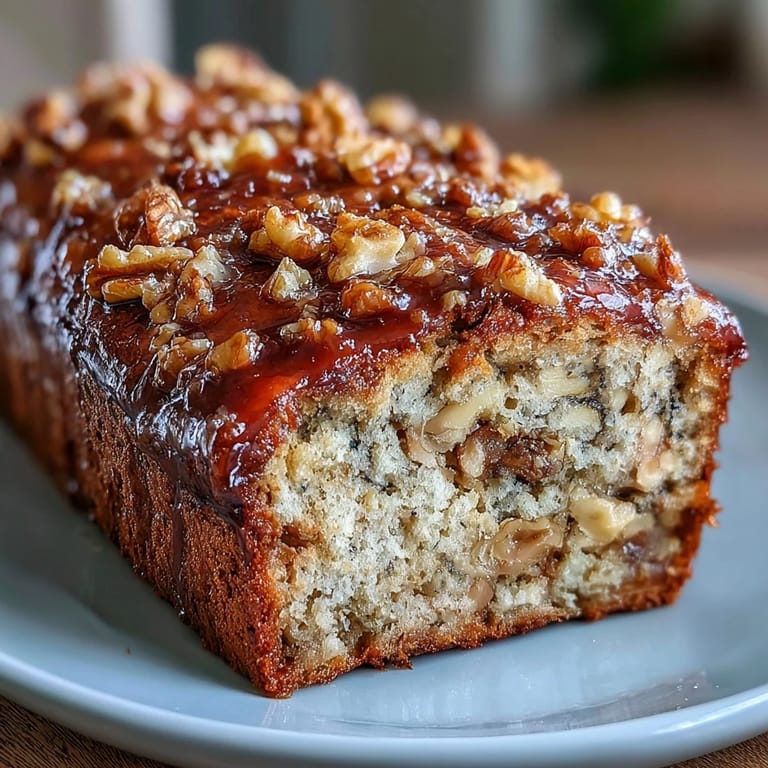
- In a small bowl, stir together the packed brown sugar, melted butter, and cinnamon until it looks like wet sand. Sprinkle this mixture evenly over the unbaked batter—this will melt slightly and create that crackly, caramelized top.
- Bake until golden and set:
- Bake for 50 to 60 minutes, checking with a toothpick at the 50-minute mark. When the toothpick comes out clean or with just a few moist crumbs, your loaf is done; if it's still wet with batter, give it another 5 minutes.
- Cool with patience:
- Let the loaf cool in the pan for 15 minutes (this allows it to set), then turn it out onto a wire rack to cool completely. Slicing into a warm loaf can cause it to crumble, but if you can't wait, that's what butter is for.
 Save
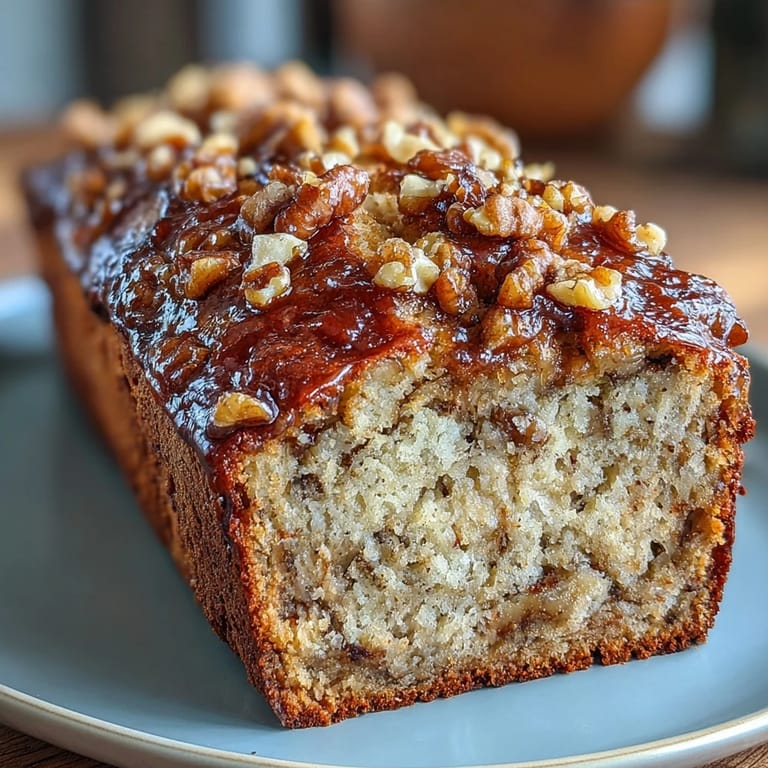
Save Last month, my daughter's friend came over after soccer practice, took one bite of a still-warm slice, and asked if I could teach her how to make it. Twenty minutes later we were in the kitchen together, her in her grass-stained uniform, carefully folding in walnuts and laughing when she got brown sugar crust mixture all over her hands. That's when this recipe became more than just a way to use up discard—it became a small moment of connection and teaching.
The Magic of Sourdough Discard
Most sourdough recipes treat discard like kitchen waste, something you toss and feel bad about. But this bread flips that script entirely—the discard adds a subtle tanginess that deepens the banana flavor and creates a more complex crumb than straightforward banana bread ever could. The acidity also activates the baking soda more effectively, helping the loaf rise beautifully without requiring any yeast. It's one of those rare cases where using the leftover ingredient actually creates something better than following a conventional recipe.
Timing and Temperature Matter More Than You Think
I've learned that having your eggs and milk at room temperature isn't just a nice suggestion—it actually changes how the batter emulsifies and bakes. When everything starts cold, you can end up with a slightly grainy texture or uneven baking. Similarly, that 15-minute cooling period in the pan isn't time to step away—it's structural scaffolding that allows the interior to finish setting while the crust stays tender. These small details feel minor until you compare a loaf made with them to one made without.
Variations That Actually Work
The beauty of this base recipe is that it's flexible enough to bend without breaking. I've swapped pecans for walnuts on mornings when that's what I had, stirred in chocolate chips when I wanted to make it feel like dessert, and even added a quarter cup of coconut shreds for a completely different character. The formula stays solid because the sourdough discard and banana provide enough moisture to handle these variations without becoming dry or dense.
- If you want chocolate, add up to 1/2 cup chips folded in with the walnuts, and your bread becomes something kids and adults alike will fight over.
- Swap walnuts for pecans or even macadamia nuts if that's what calls to you, keeping the same weight for best results.
- A sprinkle of coarse sea salt on top of the brown sugar crust before baking adds a subtle sophistication that makes people pause and ask what it is.
 Save
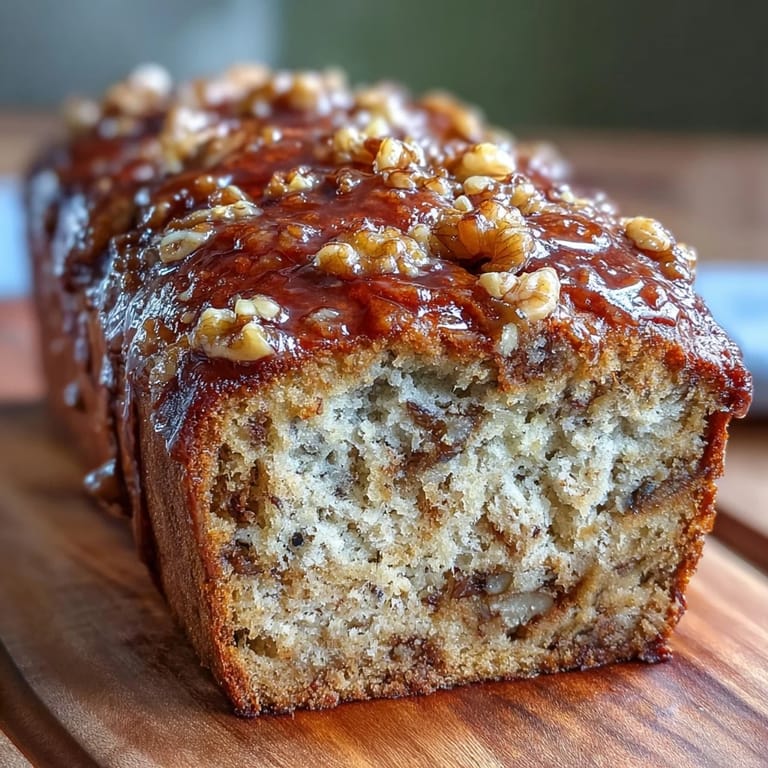
Save This loaf has become my answer to the constant question of what to do with sourdough discard, and it's taught me that sometimes the best recipes come from solving small kitchen problems. Every time you make it, you're not wasting starter—you're creating something that tastes like comfort and care.
Recipe Questions & Answers
- → What is sourdough discard and how does it affect the loaf?
Sourdough discard is unused starter that adds a subtle tanginess and moist texture to the loaf, enhancing depth without overpowering flavors.
- → Can I substitute walnuts with other nuts?
Yes, pecans or almonds work well as alternatives, offering a similar crunch and nutty flavor.
- → How do I achieve a crispy brown sugar crust?
Mix brown sugar with melted butter and cinnamon, then sprinkle over the batter before baking to create a caramelized, crisp topping.
- → Is it necessary to use unsalted butter in this loaf?
Unsalted butter allows better control over the salt level, but salted butter can be used if adjustments are made to salt in the dry ingredients.
- → How should the loaf be stored to maintain freshness?
Wrap the cooled loaf tightly or store in an airtight container at room temperature for up to two days. Refrigerate to extend freshness.
- → Can this loaf be frozen for later use?
Yes, slice and wrap portions individually, then freeze. Thaw at room temperature before serving for best texture.