 Save
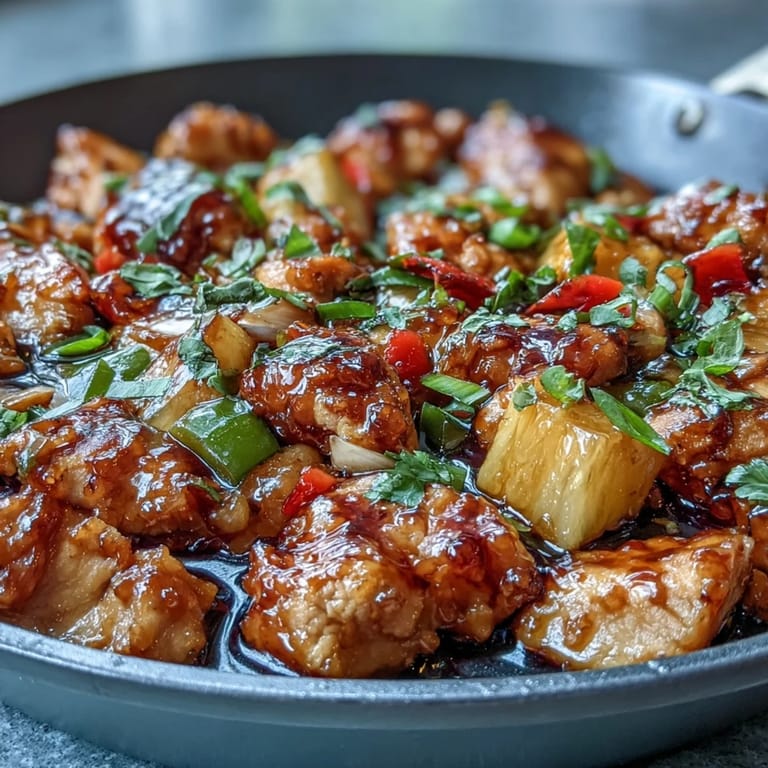
Save There's something about the sizzle of chicken hitting hot oil that pulls me into the kitchen every time, even on those nights when I'm too tired to think about dinner. My partner came home one evening craving something bright and a little sweet, nothing too heavy, and I found myself reaching for a can of pineapple and some bell peppers without even planning it. Twenty minutes later, this one-skillet wonder had transformed into something that tasted like we'd been cooking all day, when really we'd just been moving quickly and with intention. That's when I realized how much magic lives in simplicity.
I made this for a small dinner party last year when friends mentioned they were too busy to cook proper meals anymore, and watching their faces light up when they tasted it reminded me why sharing food matters. Nobody expected the golden pineapple chunks to be so essential, but that subtle sweetness and acidity balanced everything else in a way that felt both comforting and exciting. It became the recipe people asked for by name after that night.
Ingredients
- Boneless, skinless chicken breast, cut into 1-inch cubes: The smaller pieces cook evenly and absorb the sauce beautifully, though thighs work too if you prefer more forgiving, juicier meat.
- Cornstarch: This coat on the chicken creates a light, delicate texture while also helping thicken the sauce later, a trick I learned by accident and now can't imagine skipping.
- Salt and black pepper: These quiet foundations matter more than people realize, especially in one-pan dishes where every ingredient needs to shine.
- Vegetable oil: Use whatever neutral oil you have, but make sure it's hot enough to hear it whisper when the chicken hits the pan.
- Red and green bell peppers, cut into 1-inch pieces: The color contrast looks beautiful and the peppers stay crisp-tender if you don't overcrowd them, which was a lesson learned through trial.
- Small red onion, cut into wedges: Red onions stay sweeter and softer than yellow ones in this kind of quick cooking, and their color makes the whole dish more inviting.
- Fresh pineapple chunks or canned, drained: Fresh is wonderful, but canned works just as well if you drain it properly and reserve the juice for the sauce, which adds depth most people miss.
- Garlic and ginger: Minced or grated, these two are the backbone that keeps this dish from tasting generic or one-dimensional.
- Rice vinegar: This is gentler than white vinegar and rounds out the sweetness in a way that tastes intentional rather than overwhelming.
- Ketchup: I know it sounds simple, but this ingredient brings umami and body to the sauce that would be harder to replicate otherwise.
- Brown sugar: The molasses notes here give the sauce personality that white sugar can't quite match.
- Soy sauce: This adds saltiness and savory depth, though tamari or coconut aminos work if you're avoiding gluten.
- Pineapple juice: Saved from the can or squeezed fresh, this ties the whole flavor story together and echoes the fruit in the skillet.
- Cornstarch slurry: A simple mix of cornstarch and water that transforms the sauce from thin to glossy and clinging, which is the moment everything feels finished.
Tired of Takeout? 🥡
Get 10 meals you can make faster than delivery arrives. Seriously.
One email. No spam. Unsubscribe anytime.
Instructions
- Coat the chicken with confidence:
- Toss your cubed chicken with the 2 tablespoons of cornstarch, salt, and pepper in a bowl, making sure every piece gets a light, even coat. This isn't about drowning the chicken but creating a thin veil that will help it brown beautifully and thicken your sauce later.
- Brown the chicken in two batches:
- Heat 1 tablespoon of oil in your large skillet over medium-high heat until it shimmers slightly, then add about half the chicken without crowding the pan. Let each piece sit undisturbed for a minute or so before turning, listening for that satisfying sizzle that tells you the heat is right, and cook for 3 to 4 minutes total until golden on most sides.
- Build flavor with aromatics:
- In the same skillet with all the fond still clinging to the bottom, add your minced garlic, grated ginger, onion wedges, and bell peppers, stirring gently for 3 to 4 minutes until the vegetables soften just slightly but still have some character. This moment of sautéing is when your kitchen smells like someone who knows what they're doing.
- Bring the chicken and fruit back together:
- Add your pineapple chunks to the skillet and nestle the browned chicken back in among the vegetables, distributing everything evenly so it all cooks through together. The pineapple will warm and release just a bit more juice, which mingles with everything else.
- Mix and pour the sauce:
- In a small bowl, whisk together the rice vinegar, ketchup, brown sugar, soy sauce, and reserved pineapple juice, tasting as you go if you like to be adventurous. Pour this mixture over everything in the skillet and let it come to a gentle simmer.
- Thicken to glossy perfection:
- Stir your cornstarch slurry one more time so the cornstarch hasn't settled to the bottom, then drizzle it into the simmering sauce while stirring constantly for 2 to 3 minutes. You'll watch the sauce transform from thin and watery to silky and clinging to each piece of chicken and vegetable, which is deeply satisfying to witness.
- Finish and serve:
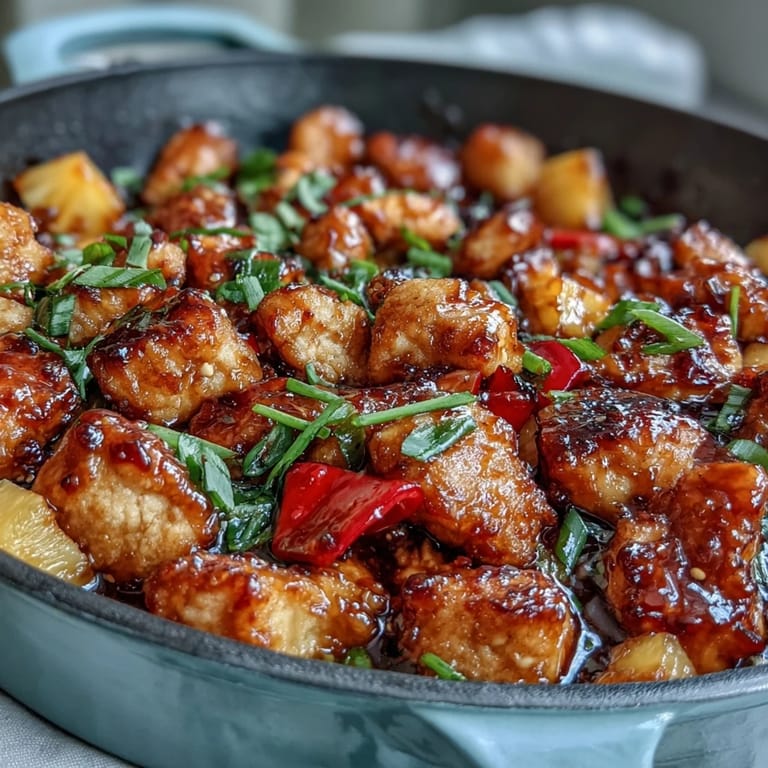
- Taste for balance, scatter fresh green onions or a light sprinkle of sesame seeds on top if you have them, and serve hot over rice or cauliflower rice.
 Save
Save I remember sitting down to eat this dish on a random Tuesday, the kind of evening where nothing felt particularly special until the first bite, and suddenly everything shifted. The way the sweet sauce, the tender chicken, and the bright bursts of pineapple came together felt like a small act of care I was doing for myself without realizing it.
The Secret to Balanced Sweetness
This recipe walks a line between sweet and savory that took me a few attempts to understand, and I realized the trick is layering different sources of sweetness and then balancing them with acid and salt. The brown sugar gives you depth, the pineapple gives you natural fruit sweetness, and the ketchup adds a subtle caramel note, but the rice vinegar and soy sauce keep everything from tipping into dessert territory. Trust the amounts as written the first time, and adjust only after you've tasted it through, because it's easier to add more sweetness than to pull it back.
Why This Works As a One-Skillet Meal
There's a rhythm to cooking everything in one pan that forces you to think about timing and order, and this recipe respects that rhythm in a way that feels almost musical. You brown the chicken first because it needs the highest heat and longest cooking time, then the vegetables go in with just enough time to soften without falling apart, and finally the pineapple and sauce join at the end when everything else is ready. The skillet becomes this self-contained world where every element is working together rather than competing, and that's what makes it feel effortless even though you're really just being intentional.
Variations and Kitchen Adventures
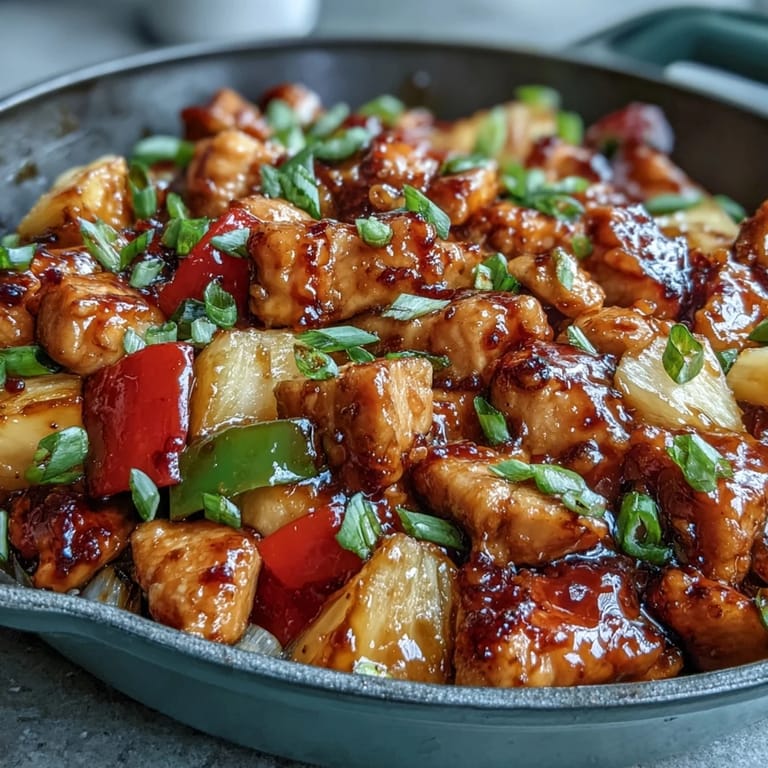
I've made this recipe at least a dozen different ways depending on what's available or what I'm craving, and the beautiful part is that it's forgiving enough to adapt without losing its soul. You can swap chicken thighs for breast meat if you want something more forgiving and juicier, use fresh pineapple if you have it and have the time to cut it, or go lighter with white rice or cauliflower rice underneath. For heat, I've added red pepper flakes, fresh jalapeño, or even a touch of sriracha, and none of these changes broke the recipe, they just made it speak to different moods. If you're avoiding gluten, tamari or coconut aminos replace the soy sauce without missing a beat, and the whole thing remains as satisfying as ever.
- Try substituting boneless chicken thighs for a richer, more forgiving option that won't dry out as easily.
- Serve over jasmine rice, brown rice, or cauliflower rice depending on what fits your meal or your mood that day.
- Keep red pepper flakes, fresh jalapeño, or sriracha nearby if you like heat, adding just enough to feel the warmth without overwhelming the other flavors.
 Save
Save This one-skillet wonder has become my go-to when I want to feel like I cooked something special without spending my whole evening in the kitchen. It's the kind of meal that makes people ask for the recipe, not because it's complicated, but because it tastes like you care.
Recipe Questions & Answers
- → What cut of chicken works best?
Boneless, skinless chicken breast cubes are ideal for even cooking and tender texture. Thighs can be used for a juicier result.
- → Can I adjust the sauce sweetness?
Yes, you can reduce or increase brown sugar amounts to suit your taste preferences.
- → How do I achieve a thick sauce?
Add the cornstarch slurry gradually while stirring until the sauce reaches desired thickness.
- → What vegetables complement the flavor?
Bell peppers and red onions add color and sweetness, balancing well with the pineapple and sauce.
- → Is there a gluten-free option?
Substitute tamari or coconut aminos for soy sauce to make this suitable for gluten-sensitive diets.