 Save
Save A friend once brought a small slice of hojicha cake to a tea gathering, and the room went quiet the moment everyone tasted it—not from shock, but from that specific kind of contentment that comes when something tastes exactly right. The roasted, nutty warmth of the hojicha paired with the subtle sweetness created this moment where people actually paused mid-conversation. I asked for the recipe that day, but what I really wanted was to understand how something so elegantly simple could feel so memorable.
Last winter, I made this for a small gathering on a gray afternoon, and people lingered in the kitchen longer than usual, asking questions about the hojicha and whether they could taste the almond flour. There's something about baking that creates conversation, especially when the smell fills the room—that toasted, slightly sweet aroma that makes the whole house feel intentional and cared for.
Ingredients
- Hojicha powder: This is the star, so use the highest quality you can find—cheap hojicha powder tastes dusty and flat, while the good stuff has real depth and a hint of caramel.
- Gluten-free all-purpose flour blend: Choose one with xanthan gum already included to avoid the gritty texture that sometimes happens with blends that don't have it.
- Almond flour: This adds moisture and richness that keeps the cake tender even without eggs or dairy.
- Apple cider vinegar: It reacts with the baking soda to create lift, and it actually brings out the roasted notes in the hojicha.
- Maple syrup: Refined sugar-free, but also genuinely flavorful—it complements the hojicha without competing with it.
- Coconut oil: Melted coconut oil creates that tender crumb texture that makes people ask if it's actually vegan.
- Full-fat coconut milk: Refrigerate it the night before so the cream separates from the liquid—this is non-negotiable for frosting that actually holds.
Tired of Takeout? 🥡
Get 10 meals you can make faster than delivery arrives. Seriously.
One email. No spam. Unsubscribe anytime.
Instructions
- Set up your space:
- Preheat the oven to 350°F and grease an 8-inch round pan, then line it with parchment so the cake releases without sticking. This takes two minutes and prevents the frustration of cake pieces left behind.
- Make your vegan buttermilk:
- Combine almond milk with apple cider vinegar and let it sit for five minutes—you'll see it thicken slightly, and that's exactly what you want. This creates the structure that eggs usually provide.
- Combine the dry team:
- In a large bowl, whisk together the flours, hojicha powder, baking powder, baking soda, and salt until everything is evenly distributed. Take your time here so the hojicha powder doesn't clump.
- Mix the wet ingredients:
- Combine your vegan buttermilk with maple syrup, melted coconut oil, and vanilla extract in a separate bowl and stir until it looks uniform.
- Bring them together gently:
- Pour the wet ingredients into the dry mixture and stir just until combined—resist the urge to overmix because that develops gluten even in gluten-free flour, making the cake dense. It should look slightly shaggy, not perfectly smooth.
- Transfer and bake:
- Pour the batter into your prepared pan and smooth the top with an offset spatula or the back of a spoon. Bake for 30 to 35 minutes until a toothpick inserted in the center comes out clean with just a few moist crumbs clinging to it.
- Cool with patience:
- Let the cake rest in the pan for 10 minutes—this keeps it from falling apart—then turn it out onto a wire rack to cool completely before frosting. Frosting a warm cake is a guaranteed mess.
- Make the frosting:
- Open your chilled coconut milk can and scoop out the solid cream layer into a bowl, leaving the liquid behind (save that for smoothies). Add maple syrup and vanilla, then beat with an electric mixer for about three minutes until it becomes fluffy and light.
- Frost and finish:
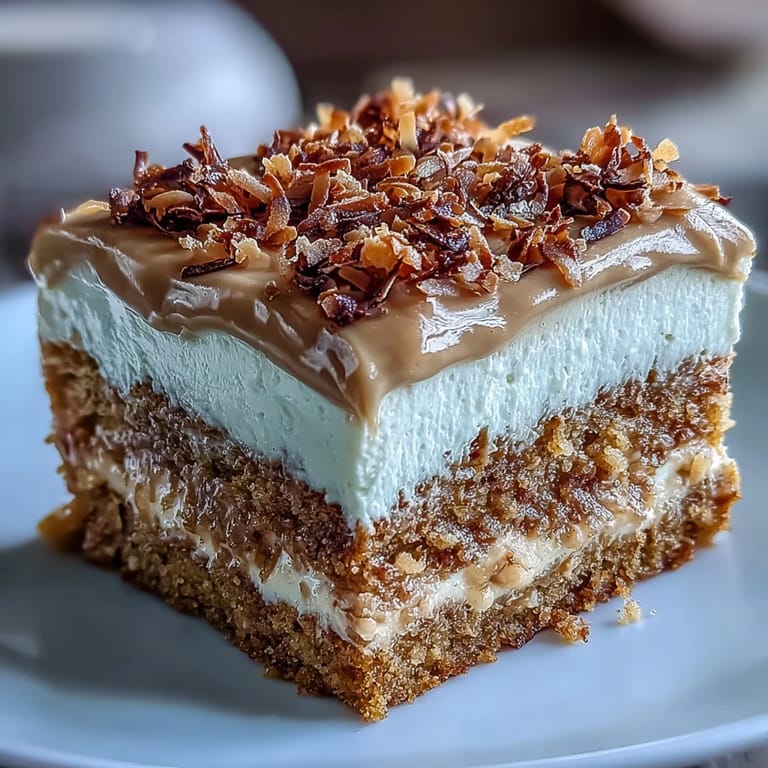
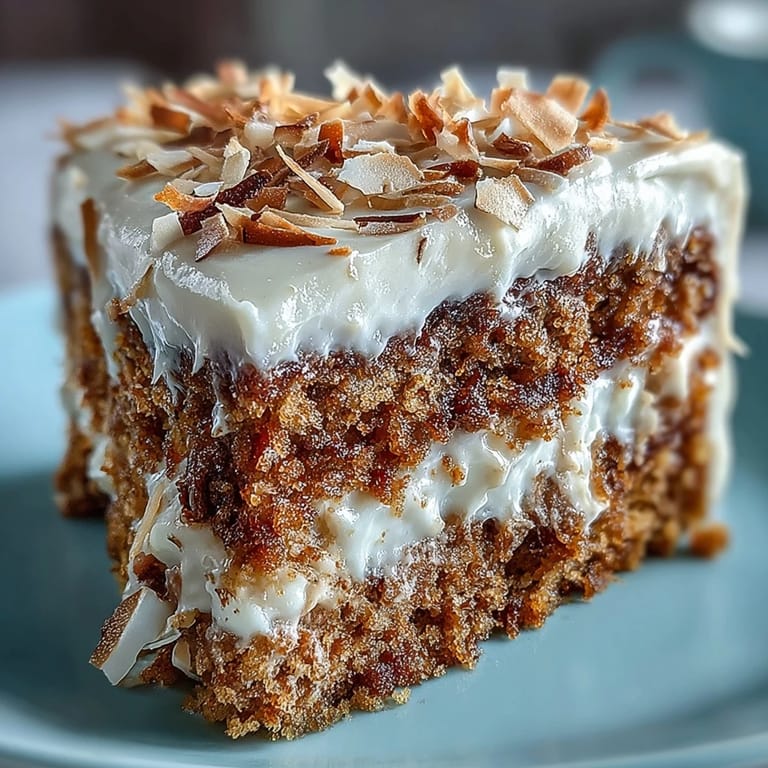
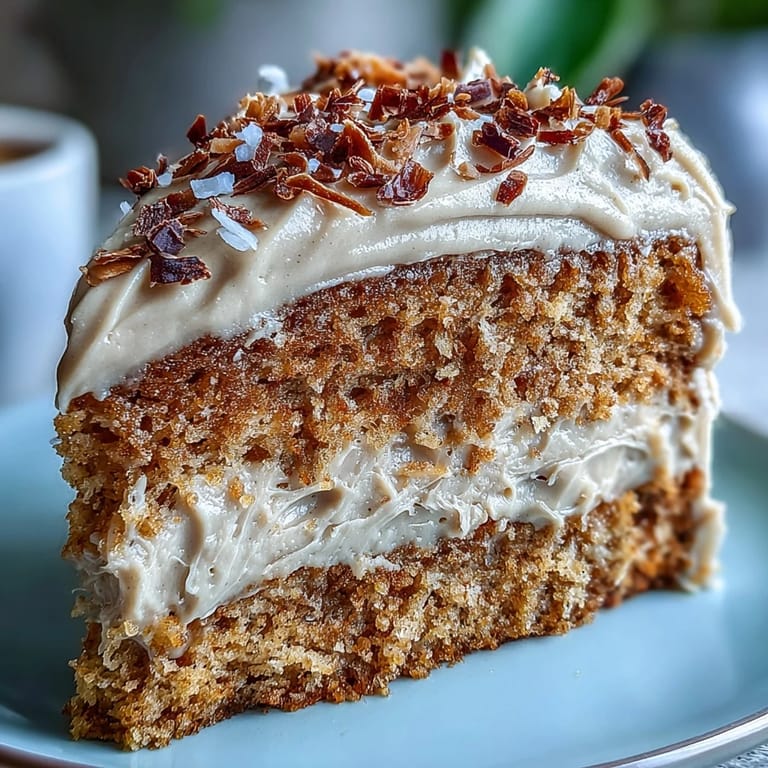
- Spread the coconut frosting evenly over the cooled cake, dust with hojicha powder, and add toasted coconut flakes if you want that extra texture and visual appeal.
 Save
Save There was a moment when someone who normally doesn't eat vegan desserts took a second slice, and they said it was the hojicha that made them forget about what wasn't in the cake. That's when I realized this recipe works because it's built on actual flavor, not substitution—it stands entirely on its own merits, not as a workaround.
Why Hojicha Matters
Hojicha is roasted green tea that's been cooled and roasted again, which gives it a toasted, almost coffee-like complexity without any of the bitterness. It adds this subtle caramel undertone that makes people wonder what the secret ingredient is, and it pairs beautifully with coconut because they both have that warm, slightly sweet character. Using quality hojicha powder is worth the small extra cost because cheap versions taste thin and dusty, while good hojicha brings real depth.
The Vegan Buttermilk Technique
The magic moment happens when you combine almond milk and apple cider vinegar because the acid causes the milk to curdle slightly, creating structure that eggs would normally provide. This isn't just a substitute—it's actually a legitimate technique that bakers have used for decades, and it works particularly well in this cake because the almond milk adds its own richness. The vinegar also subtly brightens the hojicha flavor, making it feel more complex than it actually is.
Storage and Serving
This cake actually improves slightly the next day as the flavors meld, so don't hesitate to bake it ahead of time and store it in an airtight container in the refrigerator for up to three days. Slice it while it's still cool from the fridge so the frosting holds its shape, and if you want to serve it at room temperature, take it out about 15 minutes before eating so the flavors come alive. It pairs beautifully with matcha tea, regular black tea, or even a light sake if you're looking for something a little different.
- Freezing works too—wrap individual slices in parchment and store them in a freezer-safe container for up to a month.
- If you want a two-layer cake, double the hojicha sponge recipe and adjust the frosting accordingly, giving it an even more impressive presence.
- Room-temperature slices have a more delicate crumb, while cold slices slice cleanly if you want neat, photograph-worthy pieces.
 Save
Save This cake proved to me that refinement and wholesomeness aren't opposites—they're just two sides of the same thoughtful cooking. Every time you make it, you're choosing flavor over convenience, and that choice is exactly what makes a kitchen feel like home.
Recipe Questions & Answers
- → What makes hojicha different from matcha?
Hojicha is roasted green tea with a deep, earthy flavor and lower caffeine content compared to the grassy notes of matcha. The roasting process gives hojicha its distinct reddish-brown color and nutty undertones.
- → Can I substitute the coconut frosting?
Yes, you can use cashew cream, vegan buttercream, or a dairy-free cream cheese frosting instead. The coconut cream provides natural sweetness and light texture, but other alternatives work well for different taste preferences.
- → How should I store this cake?
Keep refrigerated in an airtight container for up to 3 days. The coconut frosting holds its best texture when chilled. Allow slices to come to room temperature before serving for the most enjoyable experience.
- → Is this cake suitable for special diets?
This dessert accommodates vegan, gluten-free, and refined sugar-free dietary needs. The combination of almond flour and gluten-free flour blend creates a tender crumb while staying completely plant-based and naturally sweetened.
- → What pairs well with this cake?
Light-bodied sake or a cup of matcha tea complement the roasted hojicha flavors beautifully. The subtle earthiness also pairs nicely with fresh berries or a dollop of coconut yogurt for an extra touch of creaminess.