 Save
Save I discovered lemon posset quite by accident on a rainy afternoon, leafing through my mum's old recipe cards while waiting for the kettle to boil. There it was, tucked between a Victoria sponge and a spotted dick, written in her looping handwriting with a note that read simply "foolproof and posh." That three-ingredient promise intrigued me—how could something so minimal taste so complete? I made it that evening with whatever cream and lemons I had on hand, and the moment that silky, tangy spoonful touched my tongue, I understood why she'd treasured the recipe.
Years later, I made it for a dinner party where everything else had gone slightly wrong—the fish overcooked, the vegetables underseasoned. I slid those chilled ramekins across the table expecting polite nods, but instead watched faces light up with genuine delight. A guest asked for the recipe, then another, and suddenly this humble three-ingredient dessert had saved the entire evening. That's when I realized posset isn't just dessert; it's a kind of edible redemption.
Ingredients
- Heavy Cream (2 cups): Use the coldest, freshest cream you can find—it makes a difference in how silky the final texture becomes.
- Granulated Sugar (2/3 cup): This dissolves cleanly into the cream, creating that signature smooth consistency without any grittiness.
- Freshly Squeezed Lemon Juice (1/4 cup): The acid is what transforms the cream into something spoonable and set; bottled juice won't give you the same magic, so squeeze by hand if you can.
Tired of Takeout? 🥡
Get 10 meals you can make faster than delivery arrives. Seriously.
One email. No spam. Unsubscribe anytime.
Instructions
- Combine and Heat:
- Pour the cream and sugar into a medium saucepan and turn the heat to medium-low. Stir gently as it warms, watching for the sugar crystals to disappear completely—you'll feel the difference under your spoon when it happens. Let it simmer for just a moment, but don't let it boil or you'll end up with a thin, separated mess.
- Introduce the Lemon:
- Remove the pan from heat and pour in that bright lemon juice, stirring steadily until everything blends into a cohesive, slightly thickened cream. The mixture will darken subtly and gain an almost shimmery quality.
- Cool and Rest:
- Let it sit for five minutes—this brief pause lets the chemistry settle and prevents the ramekins from developing an uneven skin on top. This small window matters more than you'd think.
- Pour and Chill:
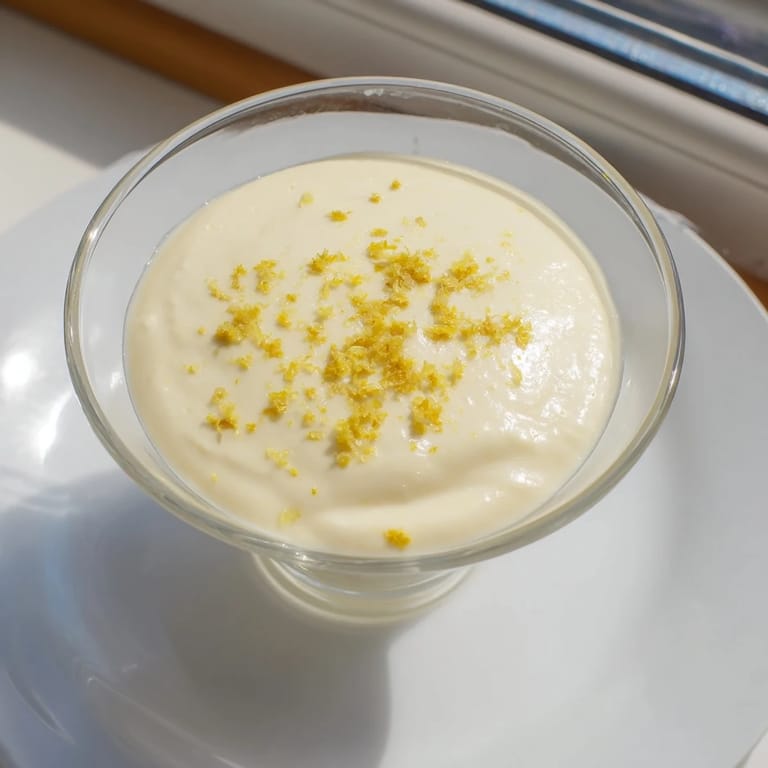
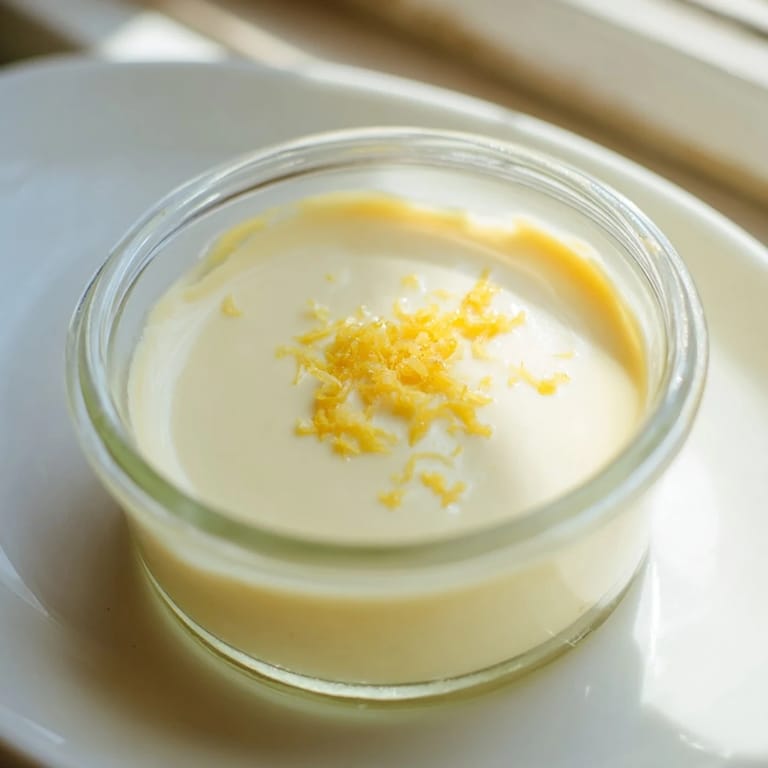
- Divide the mixture evenly among four small ramekins or glasses, cover loosely with plastic wrap, and slide them into the coldest part of your fridge for at least three hours. The posset will set into something between a mousse and a pudding, with that iconic silky spoon-through texture.
- Serve and Garnish:
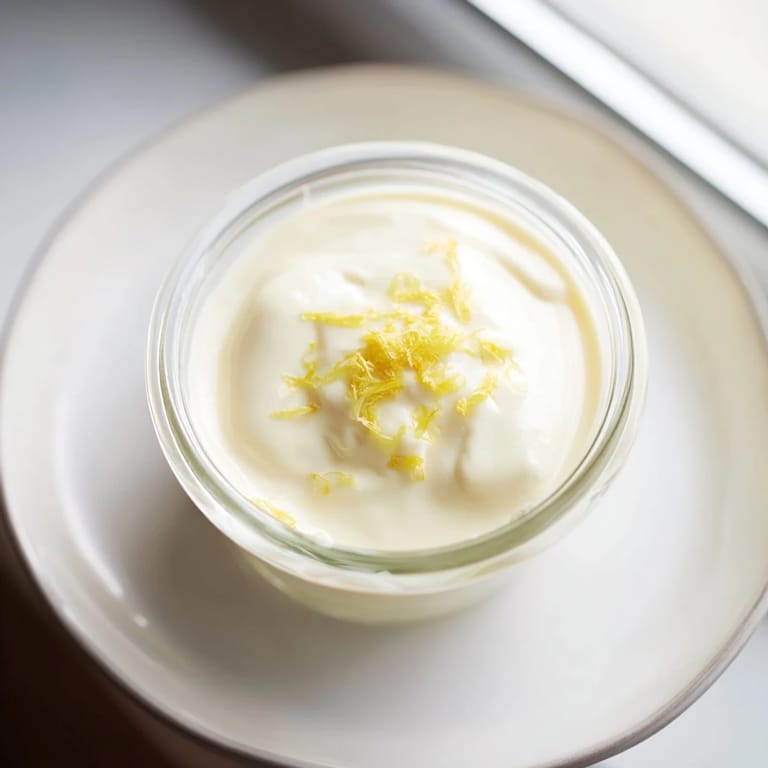
- When you're ready, bring them out chilled and crown each one with a whisper of lemon zest or a few fresh berries if you fancy it. The cold, creamy, tart elegance of it is all you really need.
 Save
Save There's something genuinely moving about serving a dessert so elemental and so elegant that guests feel they've witnessed a small miracle. Lemon posset has a way of making an ordinary meal feel like an occasion, which is perhaps the truest magic any recipe can offer.
A Note on Lemon Choice
The quality of your lemon matters more than you'd expect for such a simple recipe. Room-temperature lemons yield more juice than cold ones straight from the fridge, and a gentle roll on the counter before squeezing coaxes out every drop. Some days I use two medium lemons, other times I need three smaller ones—it's the juice that counts, not the count. The juice should be bright and fresh, with that clean citrus snap that makes your mouth water slightly before you even taste it.
Variations Worth Trying
Once you've mastered the original, you can play gently with the formula. Swap the lemon for lime to create something with a sharper, more tropical edge, or use blood orange juice for a deeper, almost wine-like complexity. Some cooks add a pinch of vanilla extract or a whisper of honey, though I find these additions risk muddying that pure, elegant flavor. The beauty of posset is its restraint—it trusts that cream and lemon are enough, and they always are.
Pairing and Serving
Lemon posset shines alongside something crisp and buttery—shortbread fingers, thin almond biscuits, or even a delicate tuile cookie provide the perfect textural contrast. If you're serving after a rich main course, the acidity and lightness feel genuinely restorative rather than heavy. Some people add a modest drizzle of honey on top, others a few crumbs of candied lemon peel, but honestly, the posset is complete as is.
- Make possets up to two days ahead and keep them loosely covered in the fridge so they don't absorb odors.
- If your posset didn't set properly and ended up too thin, you haven't failed—it makes a lovely lemon cream to pour over other desserts or drizzle over fruit.
- Serve straight from the fridge; there's nothing better than that cool, smooth shock of it on your tongue.
 Save
Save This recipe has taught me that sometimes the most memorable meals are built on simplicity, not complexity. Three humble ingredients, a bit of patience, and you've created something genuinely beautiful.
Recipe Questions & Answers
- → What is the texture of the lemon posset?
The lemon posset has a silky, creamy texture that melts smoothly on the palate.
- → Can I use different citrus juices?
Yes, lime or orange juice can be swapped in for a citrus twist, altering the flavor subtly.
- → How long should the dish chill before serving?
It should chill for at least 3 hours to fully set and develop its smooth consistency.
- → Is it necessary to boil the cream and sugar mixture?
No, the mixture should be heated gently until simmering just begins without boiling to maintain the ideal texture.
- → What garnishes complement this dessert?
Fresh lemon zest or berries add brightness and visual appeal, enhancing the creamy citrus notes.