 Save
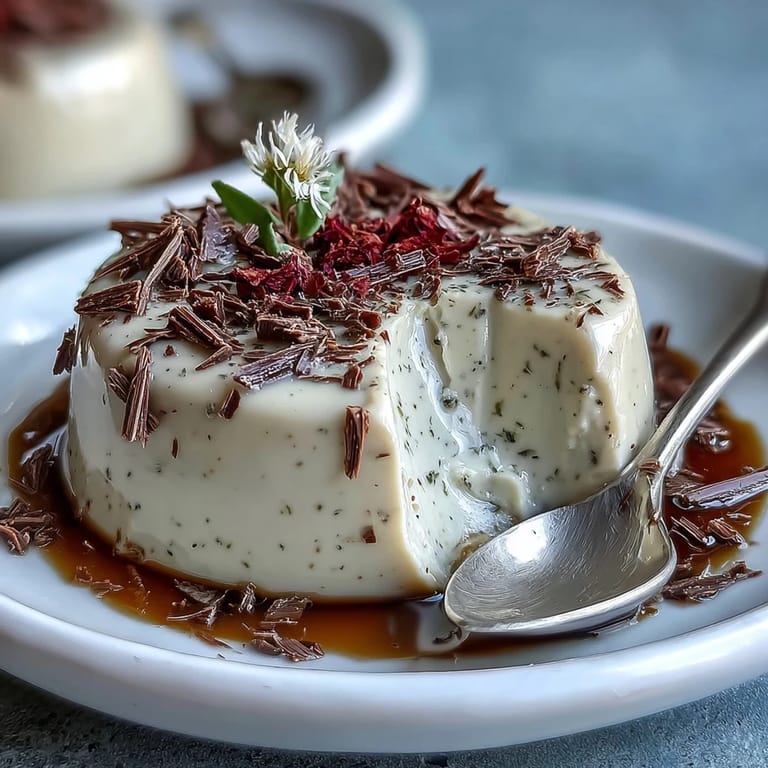
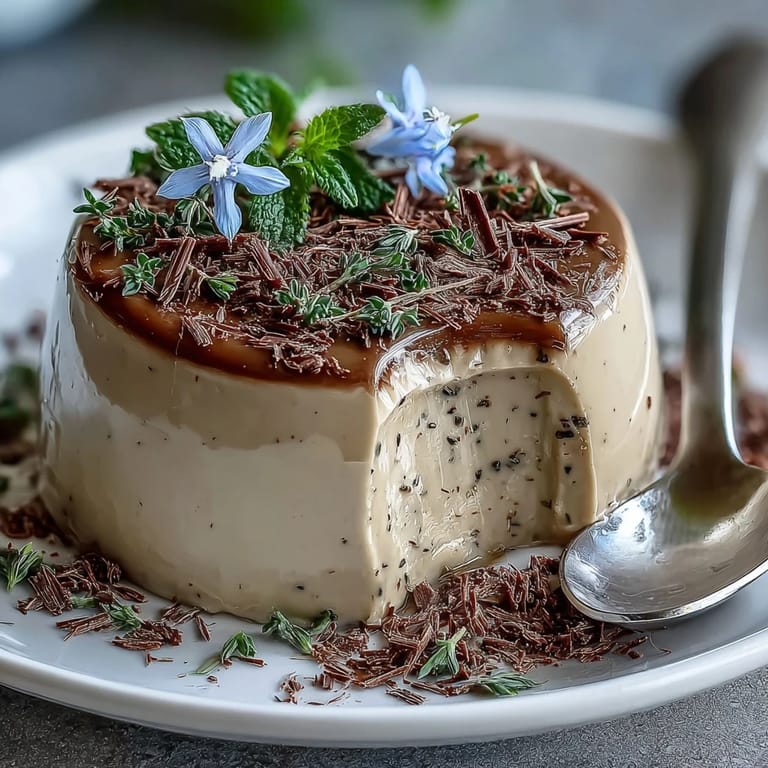
Save Hojicha Panna Cotta is a silky, creamy custard dessert infused with the delicate roasted notes of hojicha tea, creating a refined and elegant finale to any meal. This Japanese-Italian fusion dish brings together the smooth texture of a classic panna cotta with the deep, earthy profile of roasted green tea.
Save Despite its elegant appearance, this dessert is quite simple to master. By steeping loose leaf hojicha directly into the cream and milk, you extract a complex flavor that perfectly balances the sweetness of the sugar.
Ingredients
Tired of Takeout? 🥡
Get 10 meals you can make faster than delivery arrives. Seriously.
One email. No spam. Unsubscribe anytime.
- Dairy: 1 1/2 cups (360 ml) heavy cream, 1/2 cup (120 ml) whole milk
- Sweetener: 1/4 cup (50 g) granulated sugar
- Tea: 2 tablespoons hojicha loose leaf tea (or 3 hojicha tea bags)
- Setting Agent: 2 teaspoons powdered gelatin (about 7 g), 2 tablespoons (30 ml) cold water
- Garnish (optional): Whipped cream, shaved chocolate, roasted nuts, or edible flowers
Instructions
- Step 1
- In a small bowl, sprinkle the gelatin over cold water and let it bloom for 5 minutes.
- Step 2
- In a saucepan, combine the heavy cream, milk, and sugar. Heat gently over medium-low heat until steaming but not boiling.
- Step 3
- Remove the saucepan from heat. Add the hojicha tea and steep for 7–8 minutes.
- Step 4
- Strain the mixture through a fine-mesh sieve into a clean bowl, pressing gently to extract maximum flavor.
- Step 5
- Return the strained cream mixture to the saucepan and reheat gently until warm (not boiling).
- Step 6
- Add the bloomed gelatin and whisk until fully dissolved.
- Step 7
- Pour the mixture evenly into 4 ramekins or serving glasses. Let cool to room temperature.
- Step 8
- Cover with plastic wrap and refrigerate for at least 4 hours, or until set.
- Step 9
- To serve, run a thin knife around the edges and unmold onto plates, or serve directly in glasses. Garnish as desired.
Zusatztipps für die Zubereitung
When reheating the cream mixture to dissolve the gelatin, ensure it is only warm and not boiling, as excessive heat can weaken the setting power of the gelatin. Stir continuously until you see no granules left.
Varianten und Anpassungen
For a vegan version, replace the dairy with coconut cream and milk, and use agar-agar instead of gelatin. Remember to adjust the quantities and preparation method for agar-agar as needed.
Serviervorschläge
Pair your Hojicha Panna Cotta with a glass of cold-brewed hojicha or a light Japanese white wine. For the best presentation, garnish with a dollop of whipped cream and a sprinkle of shaved chocolate or roasted nuts.
 Save
Save Enjoy this delightful Hojicha Panna Cotta as a refreshing and sophisticated conclusion to any meal, celebrating the harmonious blend of Japanese tea culture and classic Italian dessert techniques.
Recipe Questions & Answers
- → What does hojicha taste like?
Hojicha has a distinctive roasted, nutty flavor with earthy undertones and lower caffeine than other green teas. The roasting process creates warm, toasty notes that pair beautifully with rich dairy desserts.
- → Can I make this dessert ahead of time?
Yes, this sets perfectly in the refrigerator and can be made up to 2 days in advance. Cover tightly with plastic wrap to prevent absorption of other flavors from your fridge.
- → How do I know when the gelatin is fully dissolved?
The gelatin is dissolved when you no longer see any granules in the warm liquid. Whisk thoroughly and rub a small amount between your fingers to check for smoothness before pouring into molds.
- → Can I use agar-agar instead of gelatin?
Absolutely. Use 1 teaspoon of agar-agar powder for every 2 teaspoons of gelatin. The texture will be slightly firmer and more jiggly, but equally delicious. Bring the mixture to a brief boil to activate the agar-agar.
- → What pairs well with hojicha panna cotta?
The roasted notes complement creamy textures beautifully. Serve with cold-brewed hojicha tea, light Japanese white wine, or fresh berries. A drizzle of caramel or white chocolate sauce also enhances the subtle flavors.
- → Why strain the mixture twice?
Straining removes tea leaves and any undissolved gelatin particles for an ultra-smooth texture. The second press against the sieve extracts maximum flavor before discarding the leaves.