 Save
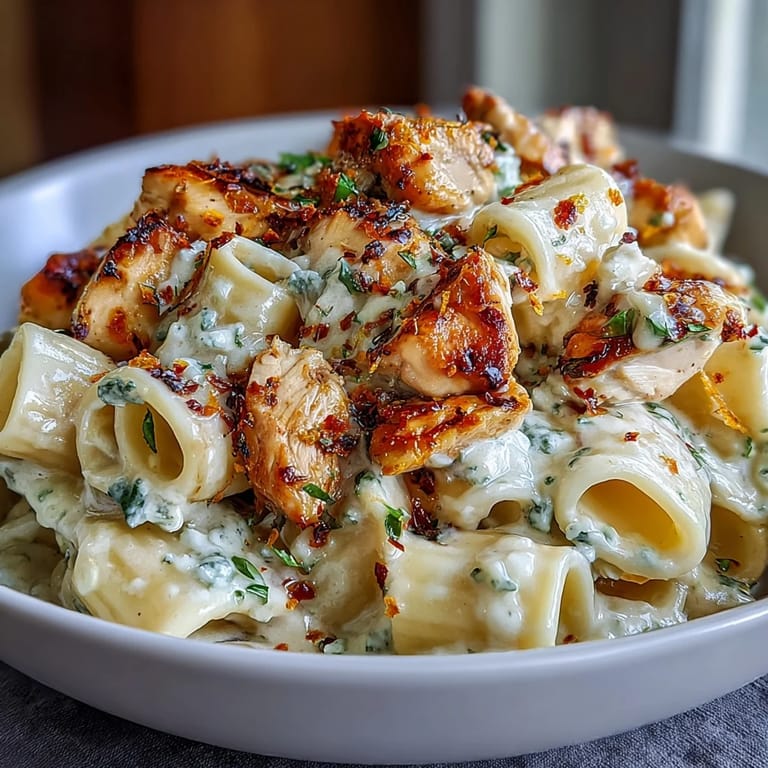
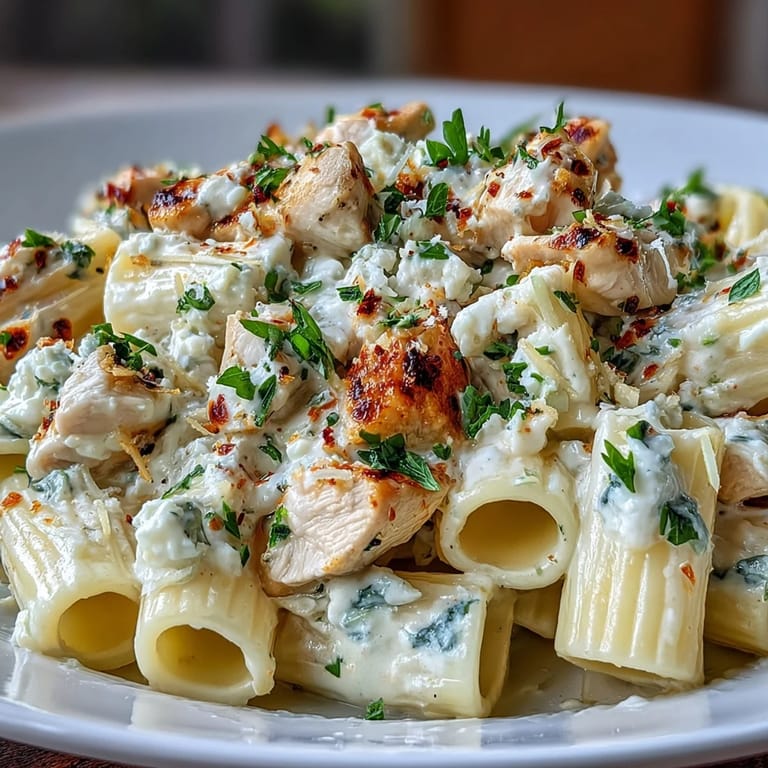
Save My friend texted me on a Thursday asking if I could whip up dinner for four by 6 PM. I had chicken breasts and lemon in my fridge, so I improvised this creamy pasta dish that somehow tasted like a Greek taverna meal. The combination of bright lemon and tangy feta against the silky cream completely surprised me, and now it's the dish I make when I want to impress without the stress. It's become my go-to weeknight solution when I need something that feels fancy but comes together in under an hour.
I made this for my partner one night when the kitchen was steamy and warm, and he stood by the stove just watching the cream transform into something silky. He kept stealing bites of chicken before it went into the sauce. That's when I knew this recipe had staying power, because it's the kind of dish that makes people want to hang around your stove.
Ingredients
- Penne or rigatoni (12 oz): The ridges catch the creamy sauce beautifully, so avoid thin pasta shapes that let the sauce slide right off.
- Boneless, skinless chicken breasts (1 lb), cut into bite-sized pieces: Cutting them small ensures they cook evenly and integrate seamlessly into the pasta.
- Salt (1/2 tsp), black pepper (1/4 tsp), dried oregano (1/2 tsp), garlic powder (1/2 tsp): These season the chicken while it cooks, building flavor from the first sear.
- Olive oil (2 tbsp): Use a good quality oil since it's a foundational flavor, not just a cooking medium here.
- Garlic (3 cloves, minced) and lemon zest (from 1 lemon): These two minutes of aromatics set the tone for the entire sauce, so don't rush this moment.
- Freshly squeezed lemon juice (1/4 cup from 1 large lemon): Fresh juice matters tremendously; bottled juice tastes thin and one-dimensional in this context.
- Heavy cream (1 cup) and chicken broth (1/2 cup): The cream creates richness while broth keeps it balanced and prevents the sauce from becoming cloying.
- Grated Parmesan (1/2 cup) and crumbled feta (1/2 cup): Parmesan melts smoothly into the sauce while feta adds pockets of tangy texture and flavor.
- Red pepper flakes (1/4 tsp, optional): A whisper of heat cuts through richness beautifully, but it's truly optional depending on your preference.
- Fresh parsley (2 tbsp, chopped): Add this at the very end so it stays bright green and fresh tasting.
Tired of Takeout? 🥡
Get 10 meals you can make faster than delivery arrives. Seriously.
One email. No spam. Unsubscribe anytime.
Instructions
- Get your water boiling and pasta started:
- Bring a large pot of salted water to a boil and cook the pasta according to package directions until al dente, which usually takes about 10 to 12 minutes. Before draining, scoop out and reserve 1/2 cup of the starchy pasta water, as this becomes your secret weapon for adjusting the sauce consistency later.
- Season and sear the chicken:
- While pasta cooks, toss your chicken pieces with salt, pepper, oregano, and garlic powder, coating them evenly. Heat olive oil in a large skillet over medium-high heat until it shimmers, then add the chicken and let it sear without moving for 3 to 4 minutes, allowing a golden crust to form before tossing and cooking another 3 to 4 minutes until fully cooked through.
- Build the aromatic base:
- Once the chicken is cooked, remove it to a warm plate and keep it nearby. Add minced garlic and lemon zest to the same skillet and let them sizzle for just 30 seconds, filling your kitchen with a citrusy, pungent aroma that signals everything is about to come together beautifully.
- Create the creamy sauce:
- Pour the fresh lemon juice into the skillet and use a wooden spoon to scrape up all those caramelized brown bits stuck to the bottom, which are pure flavor. Stir in the heavy cream and chicken broth, then bring the mixture to a gentle simmer, allowing it to thicken slightly for 1 to 2 minutes.
- Add the cheeses and finish the sauce:
- Reduce heat to low and add the grated Parmesan and crumbled feta, stirring constantly until both are melted and the sauce becomes smooth and cohesive. Taste it and add red pepper flakes if you want that subtle warmth and complexity.
- Bring it all together:
- Return the cooked chicken to the skillet, add the drained pasta, and toss everything gently until the pasta is evenly coated in sauce. If it looks too thick, add a splash of that reserved pasta water and stir gently to reach your preferred consistency.
- Taste and serve:
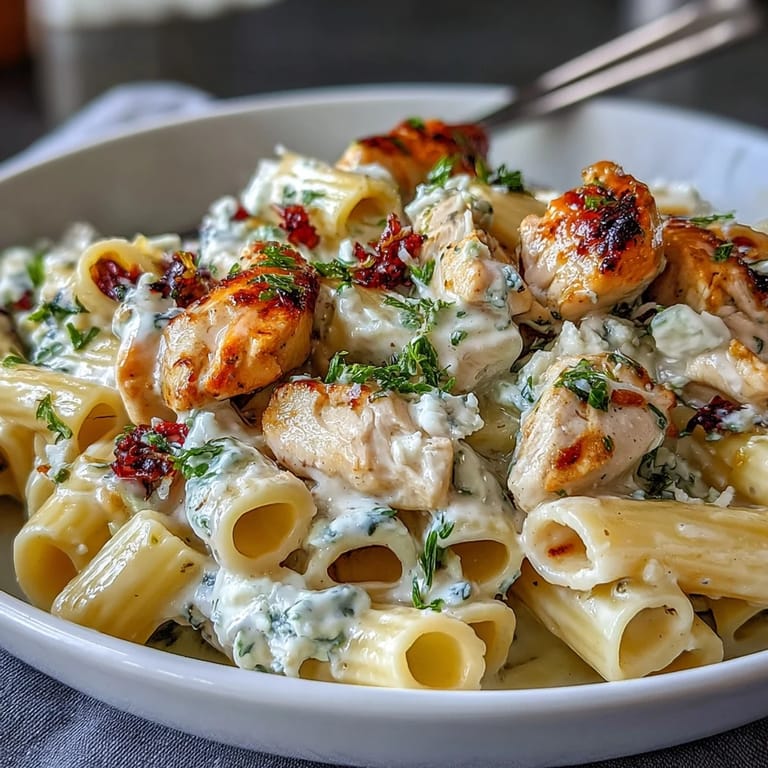
- Season with additional black pepper and adjust salt if needed, keeping in mind that both cheeses contribute saltiness already. Serve immediately in bowls, garnishing generously with fresh parsley, extra crumbled feta, and a final sprinkle of lemon zest.
 Save
Save There's a moment right when everything comes together in the pan, where the pasta gets tossed and suddenly glistens, and you realize you've created something genuinely delicious in less than 45 minutes. That quiet satisfaction is what keeps me making this dish.
The Magic of Lemon and Cream
Lemon and cream are a classic pairing because the acidity of lemon cuts through richness in a way that makes your palate feel alive instead of dulled. When you add the bright zest at the beginning, it infuses the oil with fragrant oils, and when you add the juice later, it brings acid and brightness. Together they prevent the dish from tasting heavy, which is the biggest risk when you're working with two kinds of cheese and cream.
Why Feta Matters More Than You'd Think
Feta isn't just a garnish here; it's a structural ingredient that adds both texture and complexity to the sauce. The crumbles create little pockets of tanginess throughout every bite, which is what separates this dish from countless other creamy pastas. Without it, you'd have something pleasant but forgettable, with it, you have something you remember and crave.
Flexibility and Variations
One of the best things about this dish is how gracefully it accepts additions without losing its identity. I've thrown in handfuls of baby spinach right at the end, let it wilt into the warmth, and it adds both nutrition and a textural contrast. Cherry tomatoes, halved and stirred in gently, bring brightness and sweetness, while a pinch of red pepper flakes adds depth without turning the dish spicy.
- For a lighter version, swap half the heavy cream for half-and-half or even whole milk, though you'll lose a bit of luxurious mouthfeel.
- A handful of sun-dried tomatoes stirred in adds Mediterranean flavor and visual appeal without changing the core identity.
- Always taste as you go, because acidity levels in lemons vary and you might need extra juice or an extra squeeze of brightness at the end.
 Save
Save This dish tastes like a deliberate decision to slow down on a busy evening, something that feels indulgent but doesn't demand hours of your time. Make it when you want to remember why cooking for people matters.
Recipe Questions & Answers
- → Can I use different pasta shapes?
Yes, penne and rigatoni work beautifully to hold the creamy sauce. You can also use fusilli, farfalle, or ziti. Short pasta with ridges or tubes captures the sauce best.
- → How do I prevent the cream sauce from separating?
Keep the heat on low once you add the cream. High heat can cause dairy to separate. Stir gently and continuously while melting the cheese. If needed, add small amounts of pasta water to smooth the sauce.
- → Can I make this lighter?
Substitute half-and-half for heavy cream for a lighter version. You can also use Greek yogurt mixed with broth, though it will change the flavor slightly. Adding vegetables like spinach or tomatoes adds nutrition without much extra calories.
- → What wine pairs well with this pasta?
A crisp Greek white wine like Assyrtiko complements the tangy feta and lemon beautifully. Pinot Grigio, Sauvignon Blanc, or a dry Rosé also pair nicely with the creamy, citrusy flavors.
- → How long do leftovers last?
Store in an airtight container in the refrigerator for up to 3 days. The pasta may absorb more sauce as it sits, so add a splash of cream or broth when reheating. Reheat gently on the stovetop over low heat.
- → Can I use chicken thighs instead of breasts?
Absolutely. Boneless, skinless chicken thighs stay juicy and add extra richness. Adjust cooking time to ensure they're fully cooked through—about 8-10 minutes depending on piece size.