 Save
Save One Tuesday afternoon, I was staring into my nearly empty fridge wondering what to do with leftover rice, a half-cooked chicken breast, and whatever vegetables hadn't wilted yet. Instead of ordering takeout, I started layering everything into a bowl, drizzled some tahini over it, and suddenly realized I'd stumbled onto something brilliant—a meal that was both completely mine and endlessly flexible. That's when grain bowls became my kitchen salvation.
I made these for a potluck where everyone brought different dietary preferences, and watching people customize their own bowls was like hosting a tiny celebration. Someone would pile on roasted sweet potato, another would skip the grain entirely for extra greens, and my friend with the shellfish allergy finally had something she could build without anxiety. That's when I understood these bowls weren't just practical—they were genuinely inclusive.
Ingredients
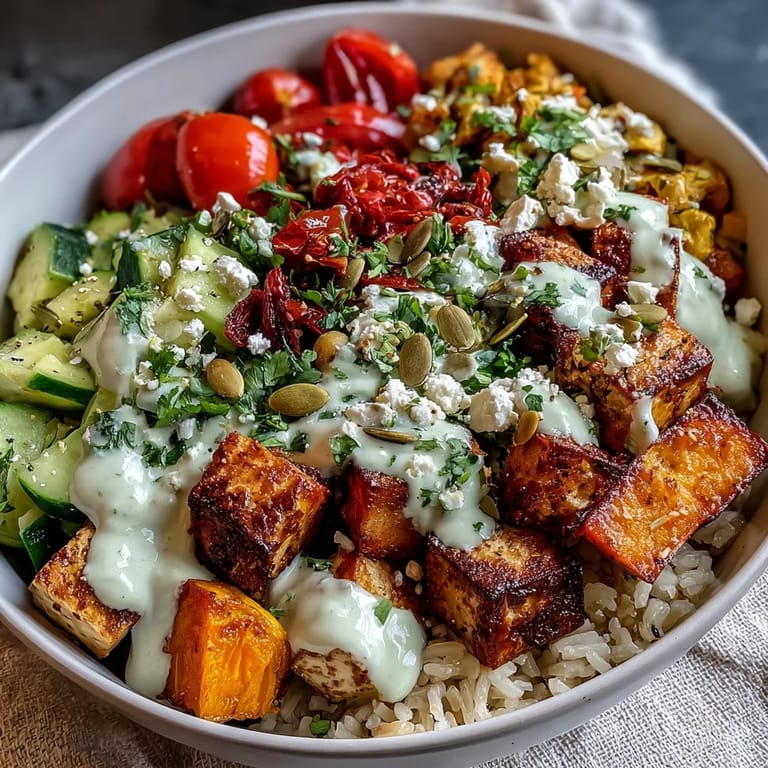
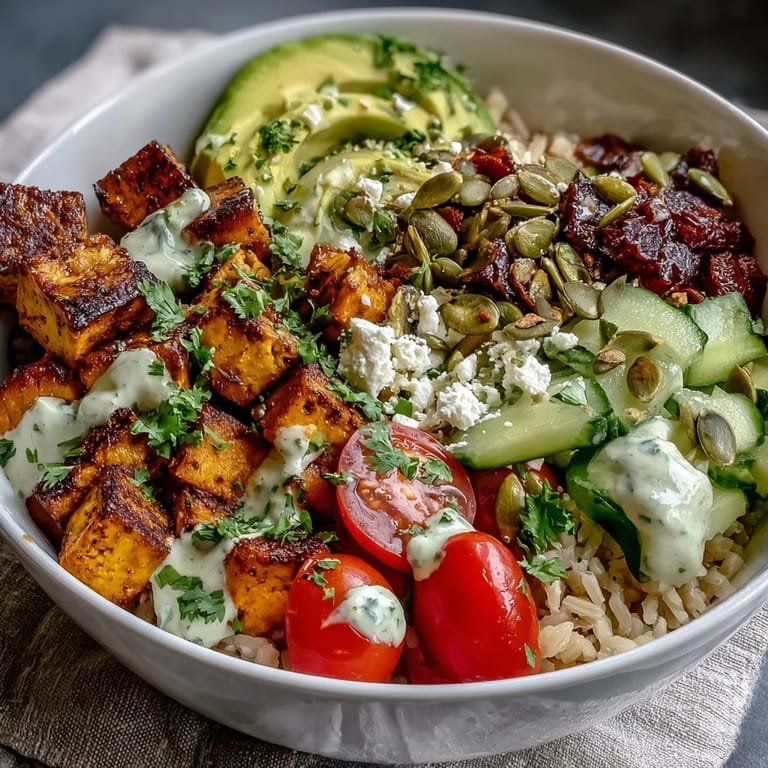
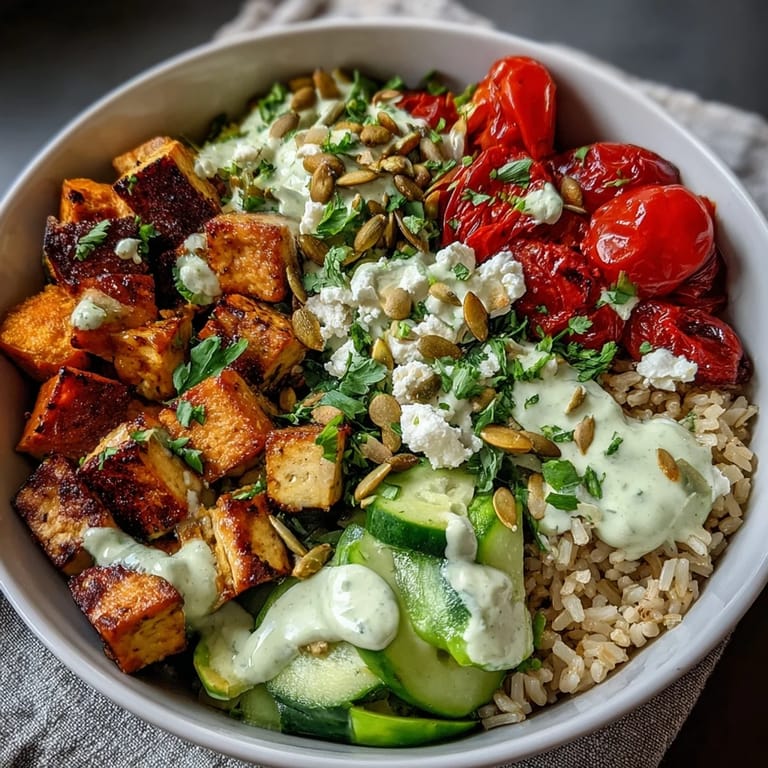
- Grains (choose 1–2): Brown rice, quinoa, farro, or couscous form your foundation—pick what sounds good that day or rotate them for variety.
- Proteins (choose 1–2): Chicken, tofu, chickpeas, or shrimp each bring different texture and flavor, so mix and match based on what's in your rotation.
- Vegetables (choose 3–4, raw or roasted): Cherry tomatoes, cucumber, sweet potato, broccoli, carrots, and avocado create layers of color and nutrition that keep things interesting.
- Toppings & Extras: Feta cheese, toasted seeds, fresh herbs, and sesame seeds add personality and crunch that ties everything together.
- Dressings (choose 1): Lemon-tahini, balsamic vinaigrette, soy-ginger, or green goddess each completely transforms the bowl's character.
Tired of Takeout? 🥡
Get 10 meals you can make faster than delivery arrives. Seriously.
One email. No spam. Unsubscribe anytime.
Instructions
- Cook your grains ahead:
- Follow package directions and let them cool slightly while you prep everything else—this is the perfect moment to chop vegetables since you're already in rhythm.
- Get your protein ready:
- Use whatever method suits you: grill chicken, bake tofu, warm chickpeas in a pan, or pull from yesterday's dinner if you're ahead of the game.
- Prep and cook vegetables:
- Some people like raw crunch, others roast for deeper flavor—whatever feels right, just make sure everything is seasoned well.
- Build your bowl strategically:
- Start with a generous handful of grains as your base, then arrange proteins and vegetables so each bite has a little of everything.
- Top with personality:
- Sprinkle seeds, herbs, cheese, and sesame seeds—this is where your bowl gets its final character.
- Dress it just before eating:
- Add your chosen dressing right before serving so nothing gets soggy and flavors stay bright.
- Serve or prep for later:
- Eat immediately while everything's still warm and fresh, or store components separately in containers so you can reassemble throughout the week.
 Save
Save My partner started taking these to work and texted me a photo mid-lunch showing how impressed his coworkers were—apparently homemade grain bowls cause office envy. That simple moment made me realize these weren't just practical meals; they were something people genuinely wanted to eat and share.
How to Make This Work for Your Schedule
The real magic here is that you can prep in stages without any stress. Sunday afternoon, cook your grains and store them. Wednesday, roast a pan of vegetables while you're making dinner anyway. Friday, chop herbs and assemble everything fresh right before you eat. Nothing requires you to be in the kitchen for hours—it's all about working smart with your actual life.
Dressing as the Secret Weapon
I spent months thinking great bowls were about having fancy vegetables, but the truth is the dressing transforms everything. A tahini dressing brings warmth and nuttiness, while a bright ginger-soy one lifts the whole thing into something sharper and more alive. The vegetable and grain choices matter, sure, but your dressing is what people will actually taste first and remember.
Customization Ideas That Actually Work
The beauty of grain bowls is that they're genuinely meant to be played with, not followed like rules. Season boldly, layer textures, and don't worry about looking perfect on the plate—it's supposed to be personal and a little messy. Your bowl reflects your mood and what you have on hand that day, which is exactly how it should be.
- Try adding pickled vegetables or kimchi for a tangy kick that brings the whole bowl alive.
- Roast your proteins with spice rubs if you want something more adventurous than plain.
- Layer quick-pickled red onions on top for brightness and a bit of sharpness that balances rich dressings.
 Save
Save These bowls became my go-to because they stopped feeling like I was managing my diet and started feeling like I was actually cooking for myself. That shift—from obligation to something you genuinely want to make—is worth everything.
Recipe Questions & Answers
- → How long does a grain bowl keep in the refrigerator?
Store components separately in airtight containers for up to 5 days. Grains and proteins last 4-5 days, while cut vegetables stay fresh for 3-4 days. Dress the bowl just before eating to maintain texture and prevent sogginess.
- → What's the best grain for grain bowls?
Brown rice and quinoa are excellent choices because they hold their texture well and reheat easily. Farro adds a satisfying chew, while couscous cooks quickly. For lighter options, try cauliflower rice or mix half grains with half greens.
- → Can I make grain bowls without cooking?
Absolutely. Use pre-cooked proteins like rotisserie chicken, canned beans, or leftover meat. Many vegetables work raw—cucumber, cherry tomatoes, shredded carrots, and avocado need no cooking. Simply assemble and drizzle with dressing.
- → How do I make grain bowls more filling?
Increase portions of protein-rich ingredients like chicken, tofu, chickpeas, or shrimp. Add healthy fats through avocado, nuts, seeds, or tahini dressing. Including hearty grains like farro or brown rice rather than lighter options also boosts staying power.
- → What vegetables work best in grain bowls?
Choose vegetables that offer contrasting colors, textures, and flavors. Raw options include cherry tomatoes, cucumber, shredded carrots, and sliced avocado. Roasted choices like sweet potatoes and broccoli add depth. Mix both for variety in every bite.
- → Which dressing pairs well with grain bowls?
Tahini-based dressings add creaminess and protein. Balsamic vinaigrette offers bright acidity that cuts through rich grains. Soy-ginger provides umami depth, while green goddess brings herbaceous freshness. Keep dressing on the side until serving.