 Save
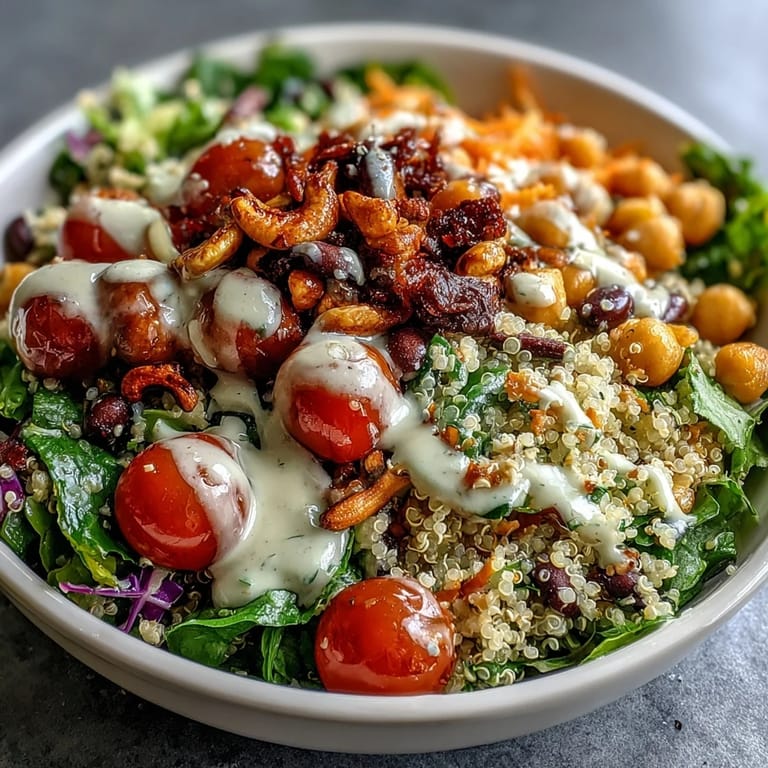
Save There's something about assembling a rainbow salad that makes you feel like you're painting with food instead of just cooking. One Tuesday afternoon, I was standing in my kitchen surrounded by vegetables in every color imaginable, and my niece walked in asking what I was making. When I told her it was a salad, she looked disappointed until I started arranging everything in sections on a big platter—suddenly she was pulling up a chair, mesmerized by how the purple cabbage looked next to the golden carrots. That's when I realized this wasn't just lunch; it was edible art that happened to be ridiculously good for you.
I made this for a potluck at work, and something unexpected happened—people asked for the recipe. Not politely, but genuinely wanted to know how to recreate it. My coworker Marcus came back three times for seconds and admitted he usually skipped salads at these things because they felt like an obligation. Watching someone find joy in something you made, especially when they didn't expect to, changed how I think about feeding people.
Ingredients
- Quinoa or brown rice: Choose based on what your body needs that day—quinoa packs more protein, while brown rice gives you a gentler, earthier base that plays well with bold vegetables.
- Cherry tomatoes: Halving them releases their bright juice into the salad, creating little flavor bombs throughout.
- Purple cabbage: This isn't just pretty; it stays crisp longer than green cabbage and has a subtle sweetness that balances the earthiness of beans.
- Carrots: Shredding them raw keeps their natural crunch and sweetness—they're almost like little flavor accents rather than a heavy vegetable.
- Yellow bell pepper: The yellow variety tastes slightly sweeter than red or green, adding brightness without aggression.
- Baby spinach: It wilts slightly against warm grains without disappearing, giving you nutrition that doesn't feel hidden.
- Cucumber: Slice it thin so it stays crisp and acts as a cooling element against the warmer grain and bean components.
- Chickpeas and black beans: Together they create protein complexity and keep each other company in texture—one's creamy while the other holds its shape.
- Cashews or almonds: Roasted nuts add that indulgent crunch factor that makes this feel less like salad and more like a celebration on a plate.
- Pumpkin and sunflower seeds: These tiny seeds deliver omega-3s and a satisfying snap that keeps your teeth engaged throughout the meal.
- Extra-virgin olive oil: This is where you splurge slightly because the oil carries the entire flavor profile forward.
- Fresh lemon juice: Never use bottled—the brightness of fresh juice is what makes people say they can actually taste the salad instead of tasting like a salad obligation.
- Maple syrup or honey: Just a touch to round out the acidity and help everything feel cohesive rather than like separate vegetables in a bowl.
- Dijon mustard: This isn't a flavor you'll taste directly; it's an emulsifier that makes the dressing silky and helps flavors meld.
- Garlic and fresh herbs: Minced garlic in the dressing gives you a whisper of sharpness, while parsley or cilantro at the end acts like a freshness reset button.
Tired of Takeout? 🥡
Get 10 meals you can make faster than delivery arrives. Seriously.
One email. No spam. Unsubscribe anytime.
Instructions
- Cook your grains with intention:
- Use vegetable or light chicken stock instead of water—it adds subtle depth that echoes through the entire salad. Let the cooked grains cool completely so they don't wilt your fresh vegetables and spinach when you combine everything.
- Arrange like you're building a mandala:
- Don't toss everything together immediately; instead, section your bowl so each vegetable keeps its integrity and color pops against the others. This visual step makes people want to eat the salad before dressing even touches it.
- Whisk the dressing with patience:
- Drizzle the oil in slowly while whisking—this creates an emulsion that coats each vegetable instead of pooling at the bottom. Taste as you go because salt and lemon juice need to balance each other like a conversation.
- Dress strategically:
- If you're serving immediately, drizzle dressing over everything and toss gently with your hands or wooden spoons—this distributes flavor while keeping textures intact. If guests are eating over time, keep dressing on the side so late arrivals don't get soggy vegetables.
- Garnish like you mean it:
- Fresh herbs scattered on top add brightness that somehow makes people eat more salad, possibly because it looks less serious than a perfectly composed bowl.
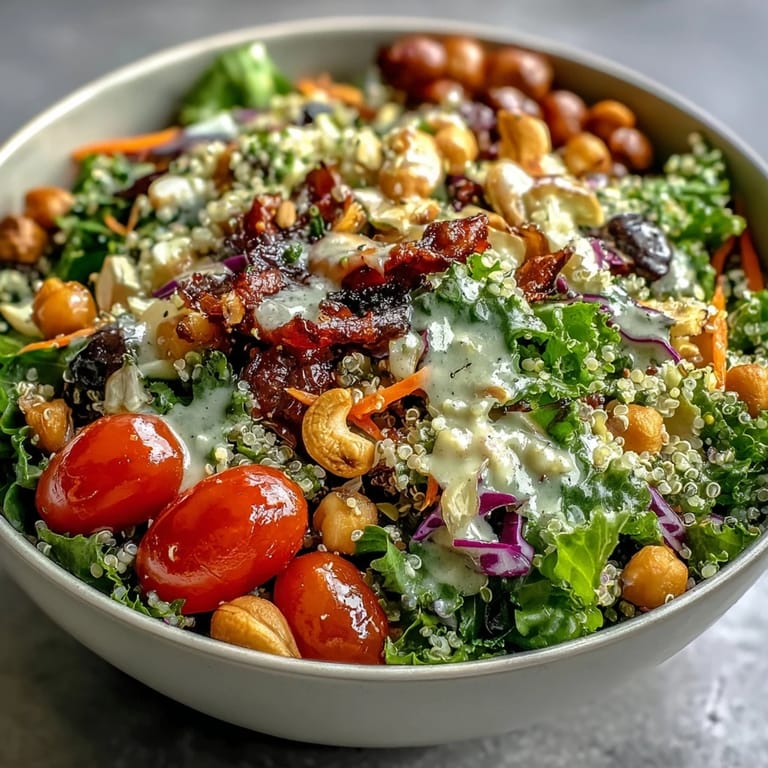 Save
Save My mother-in-law tried this at a family dinner and sat quietly for a moment, then said it reminded her why she used to grow her own vegetables before life got too busy. Sometimes food opens a door to memory, and this salad seemed to unlock something in her about simpler times. Watching her eat a second bowl while telling stories about her garden made me understand that feeding people isn't just about nutrition—it's about permission to feel good about what you're eating.
The Magic of Raw Vegetables
There's a moment when you bite into a raw vegetable in salad where you taste the actual plant instead of the idea of the plant. The sweetness of a shredded carrot, the snap of a fresh cucumber slice, the slight bitterness of raw spinach—these textures and flavors disappear the second you cook them. This salad celebrates vegetables at their most alive, which is why people who claim they don't like salads often change their minds with this one.
Why Grains Matter Here
Adding a grain transforms this from a side salad into an actual meal you can eat for lunch without needing anything else on your plate. Quinoa brings a nutty completeness and contains all nine amino acids, while brown rice offers earthiness and familiarity. The key is letting your grain cool completely—warm grain against cold vegetables creates this uncomfortable texture war, but cool grain nestled among bright vegetables feels intentional and satisfying.
Building Layers of Satisfaction
The secret that changed everything for me was understanding that each component serves a purpose beyond nutrition. The beans provide heartiness and protein, the nuts give you that luxurious crunch that makes your brain register satisfaction, the seeds add micro-texture, and the vegetables provide brightness and vitamins. Together they create what food scientists might call complexity, but what it really means is you'll keep eating without realizing why you're satisfied.
- Mix textures deliberately—soft grains, crunchy vegetables, chewy nuts, and crispy seeds should all be in every spoonful.
- Taste as you dress because acid and salt levels change depending on which vegetables are ripest that week.
- Save some nuts and seeds to sprinkle on top right before serving so they stay maximally crunchy instead of softening into the dressing.
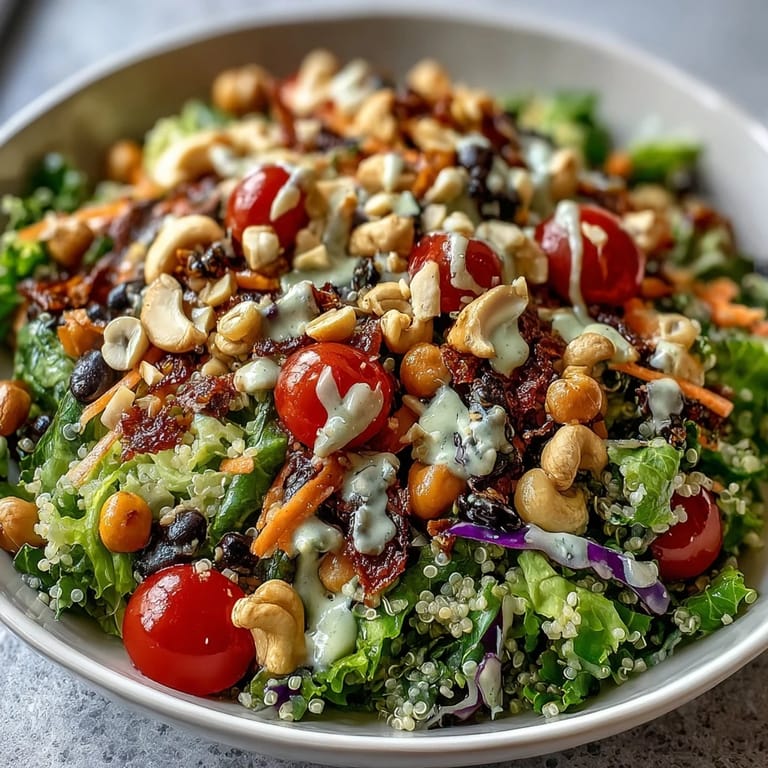 Save
Save This salad became my answer to the question I kept asking myself: how do you eat well without it feeling like punishment? It turns out the answer involves color, crunch, and permission to make eating vegetables feel like an actual choice instead of an obligation. Every time I make it, someone asks for the recipe, and that feels like the best possible compliment.
Recipe Questions & Answers
- → Can I make this ahead of time?
Yes, prepare all vegetables and grains up to 3 days ahead. Store components separately in airtight containers and toss with dressing just before serving to maintain freshness and texture.
- → What other grains work well?
Farro, bulgur, barley, or millet make excellent substitutes for quinoa. Cook grains according to package directions and cool completely before assembling for best results.
- → How can I add more protein?
Grilled tofu, tempeh, or roasted chickpeas boost protein content. For non-vegetarian options, sliced grilled chicken or hard-boiled eggs pair beautifully with these flavors.
- → Can I use different vegetables?
Absolutely. Roasted sweet potatoes, shredded beets, bell peppers, radishes, or fresh corn work wonderfully. Use whatever seasonal produce looks vibrant and fresh at your market.
- → Is the dressing necessary?
The dressing enhances all flavors and helps ingredients meld together. If preferred, try balsamic vinaigrette, tahini dressing, or a simple squeeze of fresh lemon juice with olive oil.
- → How long does this keep in the refrigerator?
Stored without dressing, components stay fresh for 3-4 days. Keep dressing separate and add just before eating. The vegetables may soften slightly but remain delicious.