 Save
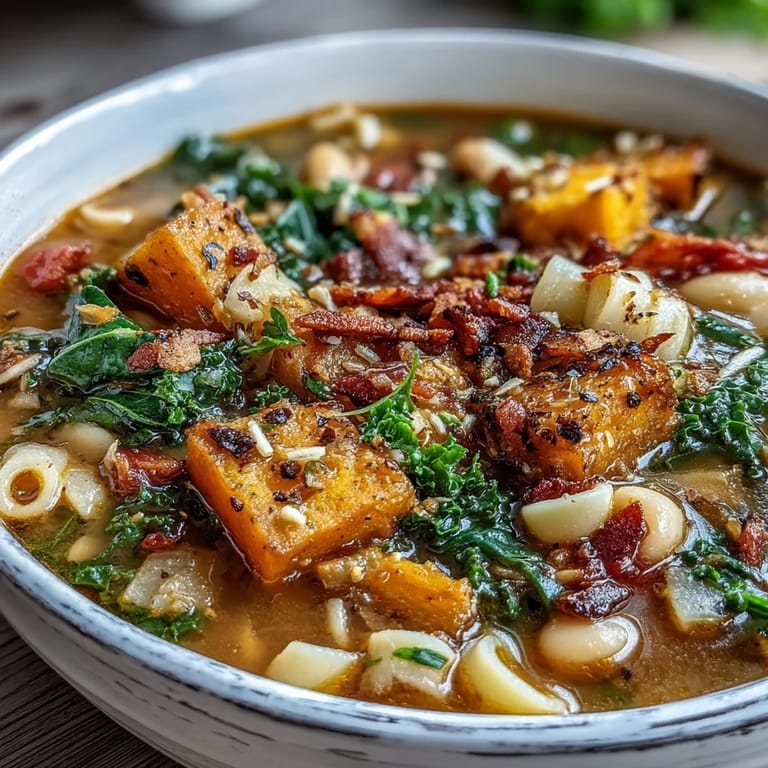
Save The first chill of autumn always puts me in a soup-making mood. I discovered this fall minestrone recipe years ago when my farmers market haul included a butternut squash I had no plans for. That evening, with rain tapping against the kitchen window and the house feeling particularly drafty, I scrounged through my pantry and found beans, pasta, and a precious chunk of pancetta. The resulting soup filled my kitchen with a warmth that seemed to push back against the growing darkness outside.
Last October, my neighbor broke her ankle right before hosting a dinner party she refused to cancel. I showed up at her door with a massive pot of this minestrone and watched as her stressed expression melted away. We served it in mismatched mugs since all her bowls were packed away, and somehow that makeshift solution made the whole evening feel more intimate. Her guests kept returning to the pot for second and third helpings, trailing breadcrumbs across her kitchen floor.
Ingredients
- Pancetta: The fat from pancetta creates the flavor foundation that gives this soup its soul, but save some crispy bits for garnishing each bowl.
- Butternut squash: The natural sweetness balances the savory elements, and the way it partially breaks down creates a velvety texture without adding cream.
- Kale: Tear the leaves from the stems with your hands rather than cutting, which helps them cook more evenly and creates more natural, rustic pieces.
- White beans: They add protein and creaminess, and I sometimes lightly mash a few against the side of the pot to thicken the broth slightly.
- Ditalini pasta: These little tubes capture broth inside them, creating perfect little flavor bombs in each spoonful.
Tired of Takeout? 🥡
Get 10 meals you can make faster than delivery arrives. Seriously.
One email. No spam. Unsubscribe anytime.
Instructions
- Crisp the pancetta:
- Heat olive oil in your pot and add the diced pancetta, allowing it to slowly render its fat and become golden brown. The kitchen will fill with a salty, porky aroma that signals good things are happening.
- Build the aromatic base:
- Add your diced onion, carrots and celery to the pancetta fat, and youll hear a satisfying sizzle as they hit the hot surface. This trio creates the foundation of flavor as they soften and release their aromatic compounds.
- Introduce the star ingredients:
- When you add the butternut squash and garlic, stir gently but thoroughly to coat everything in the flavorful oils. Youll notice the garlic becomes intensely fragrant, signaling its time for the next step.
- Create the soup body:
- Pour in the tomatoes, beans, broth and seasonings, bringing everything to a gentle simmer. This is where patience pays off as the flavors begin melding together while the squash tenderizes.
- Finish with fresh elements:
- Add the kale and pasta when the squash yields easily to a fork, allowing them to cook just until the pasta reaches al dente. The kale will brighten in color as it wilts into the broth.
- Garnish with intention:
- Ladle the steaming soup into bowls and top with the reserved crispy pancetta, fresh parsley, and a shower of freshly grated Parmesan. The cheese will melt slightly into the hot soup, creating little pockets of savory richness.
 Save
Save The first time I served this minestrone to my father-in-law, a man notoriously skeptical of vegetables, I watched anxiously as he took his first spoonful. The kitchen fell silent except for the sound of his spoon against the bowl. When he looked up and quietly asked if there was enough for seconds, I knew Id discovered something special. Now whenever he visits, this soup appears on the second night, like a warm handshake between us that needs no words.
Making It Ahead
Ive learned through countless Sunday meal preps that this soup actually improves with time. The flavors deepen and meld together after a day in the refrigerator, with the broth taking on more character from the herbs and vegetables. I often make a double batch specifically to portion out for lunches throughout the week, adding a splash of water when reheating as the beans and pasta tend to absorb liquid. Something about unwrapping a container of this soup at my desk makes even the most chaotic workday feel manageable.
Seasonal Adaptations
While I created this as a fall soup, Ive adapted it throughout the year based on whats available. In summer, I substitute zucchini for butternut squash and use fresh cherry tomatoes that burst in the heat instead of canned. Spring brings opportunities for fresh peas and asparagus tips added in the final minutes of cooking. Winter might see the addition of hearty root vegetables like parsnips or turnips alongside the squash. The soup evolves with my garden and farmers market finds, yet somehow maintains its comforting essence regardless of the season.
Serving Suggestions
The way you serve this minestrone can transform it from a simple weeknight meal to the star of a gathering. Ive learned that presentation matters almost as much as flavor, especially when youre trying to impress guests without spending hours in the kitchen. Setting up a toppings bar with extra Parmesan, red pepper flakes, fresh herbs, and good olive oil allows everyone to customize their bowl.
- For a complete meal, serve with a simple arugula salad dressed with lemon juice and olive oil to cut through the richness of the soup.
- If you have the time, garlic-rubbed crostini makes an ideal companion for dipping into the broth and capturing every last drop.
- A chilled glass of Pinot Noir or Sangiovese complements the earthy, savory flavors beautifully.
 Save
Save This fall minestrone has become more than just a recipe in my household, its a ritual that marks the changing of seasons and brings comfort on days when comfort is needed most. I hope it finds a similar place in your kitchen story.
Recipe Questions & Answers
- → Can I make this minestrone vegetarian?
Absolutely. Simply omit the pancetta and use vegetable broth instead of chicken broth. For a smoky depth similar to pancetta, add a pinch of smoked paprika when sautéing the vegetables.
- → What pasta works best in this soup?
Ditalini, shells, or small tubetti work wonderfully because they hold the broth well. For gluten-free needs, use rice-based small pasta or simply add extra white beans for more protein and texture.
- → How long does this minestrone keep?
Store cooled soup in airtight containers for up to 4 days in the refrigerator. The pasta will absorb more broth over time, so you may want to add a splash of water or broth when reheating. It also freezes well for up to 3 months.
- → Can I use other winter squash?
Yes! Acorn squash, delicata, or kabocha squash make excellent substitutes. Just keep in mind that cooking times may vary slightly depending on the squash variety and cube size.
- → What's the best way to reheat leftovers?
Gently reheat over medium-low heat, adding a little broth or water if the soup has thickened. Avoid boiling, as this can overcook the pasta and make the beans mushy.
- → Can I add other vegetables?
Certainly. Zucchini, green beans, or spinach can be added in the last few minutes of cooking. Feel free to use whatever seasonal vegetables you have on hand.