 Save
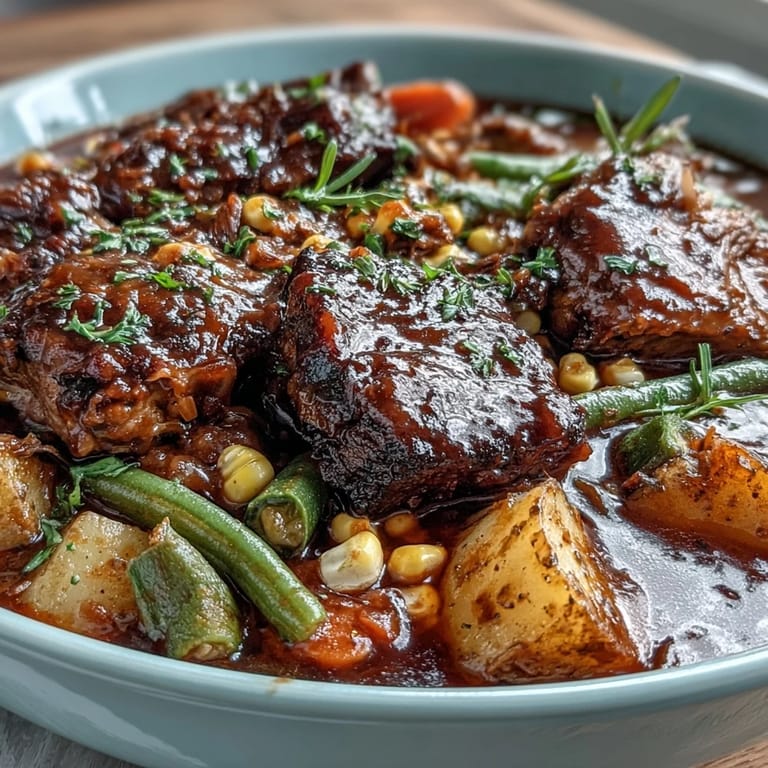
Save The first time I simmered a pot of Kentucky Derby Burgoo in my own kitchen, an unexpected symphony filled the air: crackling oil, the sizzle of meats, and a low melody of bubbling broth. This is not shy stew—aromas will thoroughly announce your intentions to every room in the house. Friends drifted to the stove unable to hide curiosity, asking what could possibly smell so hearty and alive. There’s something distinctly communal about Burgoo; it practically demands company and lively chatter. It’s a dish I turn to when I want a meal to anchor a gathering, no matter the occasion.
Once, I cooked this Burgoo for a motley group during Derby Day: two horse-racing fans and three who only came for the food. We crammed elbows around my kitchen island, tasting as the stew transformed hour by hour, debating which Derby hat reigned supreme. My favorite moment was when someone, spoon in hand, looked up and declared the Burgoo better than any race they’d ever watched. That was the year I decided the stew would be a mainstay on my spring calendar. It’s possible the leftovers saw more repeat visitors than my actual party.
Ingredients
- Beef chuck: Choose well-marbled cubes—this is where a rich, beefy backbone starts, and patience with browning pays off in the end.
- Pork shoulder: Its tenderness and depth hold up over long simmers without falling apart—trim excess fat but keep enough for flavor.
- Chicken thighs: They’re juicier than breasts, and after a couple hours, they contribute to the lushness of the stew’s broth.
- Vegetable oil: Neutral oil is best; don’t rush the browning, let meats get genuinely golden for true depth.
- Onions & garlic: These set a savory base—I always chop extra for the joy of their aroma hitting the hot pot.
- Carrots & celery: Classic trio support, bringing sweetness and subtle earthiness that pops up in every bite.
- Potatoes: Waxy or Yukon Gold hold their shape—their creamy centers are little treasures after hours of simmering.
- Bell peppers: Both green and red add gentle sharpness and color; dice a bit smaller for even distribution.
- Lima beans & corn: I toss these in straight from the freezer—it’s a shortcut that never fails to taste like spring.
- Diced tomatoes with juices: The acidity helps bring all those slow-cooked flavors together; don’t skip the liquid.
- Beef or chicken stock: Go for low-sodium so you have control, and if there’s homemade, even better.
- Okra: Sliced late into the process, it thickens the stew and adds Southern snap—frozen or fresh both work.
- Worcestershire sauce: A quiet flavor bomb—just a splash creates layers you wouldn’t expect.
- Bay leaves, smoked paprika, dried thyme: Don’t be tempted to eyeball; measure these for intentional flavor balance.
- Salt, black pepper, hot sauce: Season as you go and finish with heat to taste—each batch has its own personality.
Tired of Takeout? 🥡
Get 10 meals you can make faster than delivery arrives. Seriously.
One email. No spam. Unsubscribe anytime.
Instructions
- Build a flavorful base:
- Pour the oil into a big Dutch oven over medium-high heat, listening for that first sizzle as you add beef, pork, and chicken in batches—aim for all sides golden but not dry, then transfer the browned meat to a plate.
- Sauté the aromatics:
- Let onions, garlic, carrots, celery, and both bell peppers tumble in, stirring until the whole kitchen smells earthy and sweet—five to seven minutes is just right.
- Add everything for the main event:
- Slide the browned meats back in, then stir in potatoes, lima beans, corn, tomatoes (with their juices), and the stock; it’ll look crowded, but that’s perfect.
- Season and simmer:
- Tuck in Worcestershire sauce, bay leaves, smoked paprika, thyme, salt, and pepper; let it come up to a lively bubble, then cover and drop the heat low—simmer gently for two hours, stirring now and then.
- Finish with okra magic:
- Stir in okra and continue uncovered for thirty more minutes, letting the stew thicken and the meats become meltingly tender.
- Final touches and serve:
- Taste and adjust salt, pepper, and perhaps a dash of hot sauce; ladle into bowls piping hot, and pass crusty bread or cornbread alongside if you’re feeling festive.
 Save
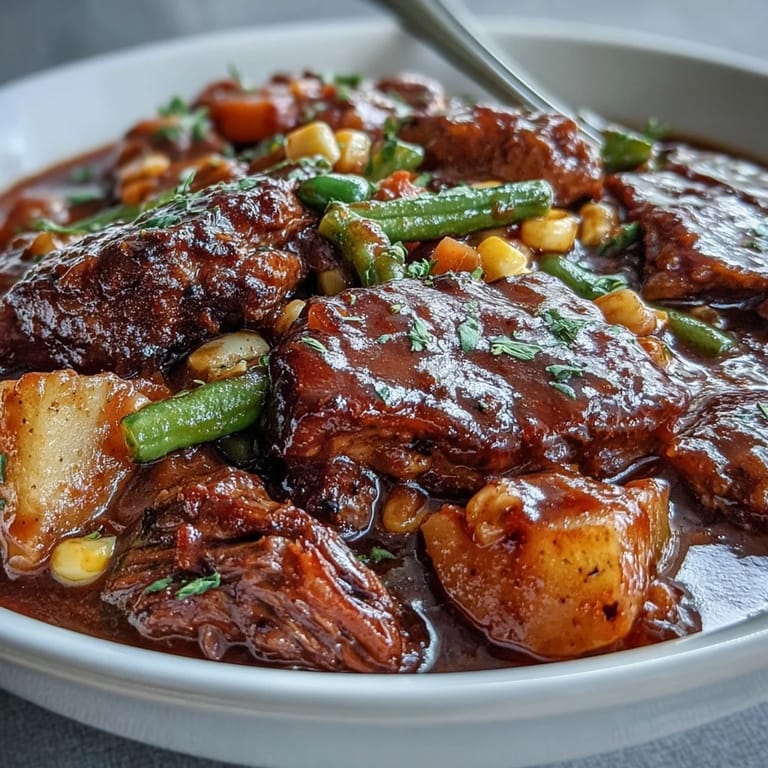
Save When the Burgoo finally hit the table one chilly April evening, steam curling up between my friends and me, the room quieted unexpectedly as everyone tried that first bite. For a moment, no one needed to say a thing—the stew did all the talking. That’s when I realized food really can gather folks, no matter who’s racing or what hats they’re wearing.
How to Adapt Burgoo for Your Crowd
One beauty of this stew is how easy it is to adapt for different tastes—use turkey or venison if you’re feeling adventurous, or throw in extra veggies from the fridge. I’ve made meatless versions, bulked up with beans and mushrooms, and no one’s ever missed the original. The trick is always in letting the flavors meld slowly, which can rescue even the most haphazard ingredient swaps.
Making It Ahead (And Why You Should)
I swear Burgoo is even better the next day, after a long rest in the fridge. When guests arrive early, I just warm everything gently and let their curiosity grow; it’s the kind of make-ahead stew that only gains richness and depth over time.
Troubleshooting & Last-Minute Fixes
Not every pot turns out perfect, but you can fix most “oops” moments. Too thick? Stir in more stock. If the flavor’s flat, a squeeze of lemon can work wonders, or a dash more hot sauce for wake-you-up heat.
- Add a handful of fresh herbs at the end for brightness.
- Leftovers freeze perfectly—set aside a quart for future you.
- Always taste before serving so the seasoning is on point.
 Save
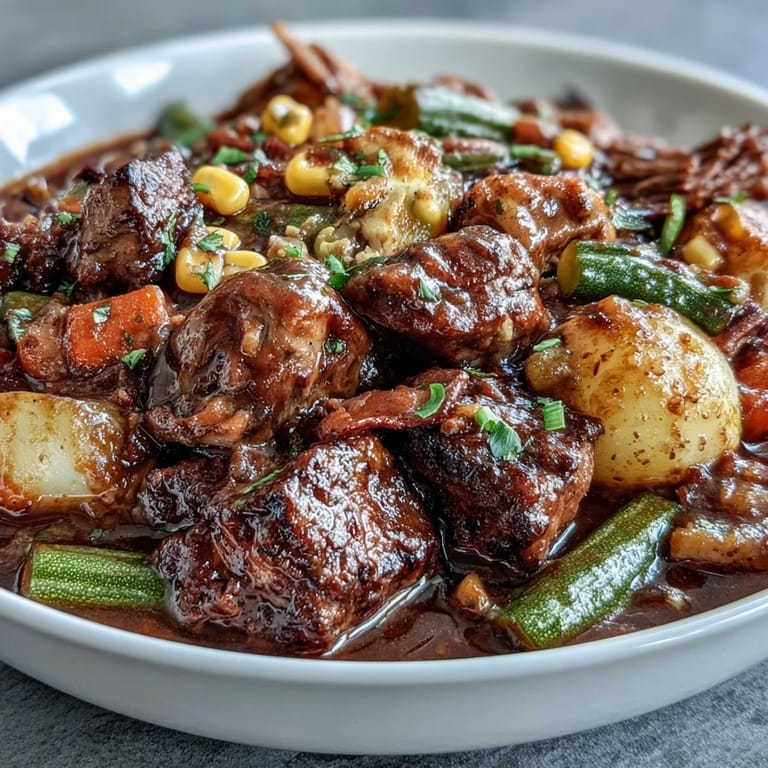
Save Burgoo is not just Derby Day food—it’s an open invitation to gather and linger. If you make it, let the stew (and those you share it with) surprise you every time.
Recipe Questions & Answers
- → How can I thicken the burgoo without changing flavor?
Simmer uncovered to reduce liquid and concentrate flavors. Mash a few potatoes or some lima beans against the pot wall to release starches, or whisk in a small beurre manié or cornmeal slurry near the end for gentle thickening without altering the core taste.
- → What meat substitutions work well?
Traditional mixes suit this dish—beef, pork and chicken—but game meats like venison or rabbit add depth. Use similar-size cuts and brown them first; adjust simmer time for leaner game to avoid dryness.
- → When should I add okra to avoid excessive sliminess?
Add okra in the final 30 minutes of cooking and keep the pot uncovered. Brief cooking preserves the veggie's texture while allowing it to thicken the broth slightly without becoming overly mucilaginous.
- → Can I make it ahead and how should I reheat?
Yes—flavors meld overnight. Cool completely, refrigerate up to 3 days or freeze portions. Reheat gently over low heat with a splash of stock or water to loosen the stew and stir occasionally until warmed through.
- → Is this suitable for gluten-free diets?
It can be gluten-free if you use gluten-free stock and check Worcestershire or other condiments for gluten-containing ingredients. Use certified gluten-free broth and labels to be sure.
- → Can I adapt this for a slow cooker or pressure cooker?
For a slow cooker, brown meats and sauté veg on the stovetop, then transfer to the cooker and cook low 6-8 hours. For a pressure cooker, brown first, then pressure-cook for about 35-45 minutes and finish uncovered to reduce and thicken as needed.