 Save
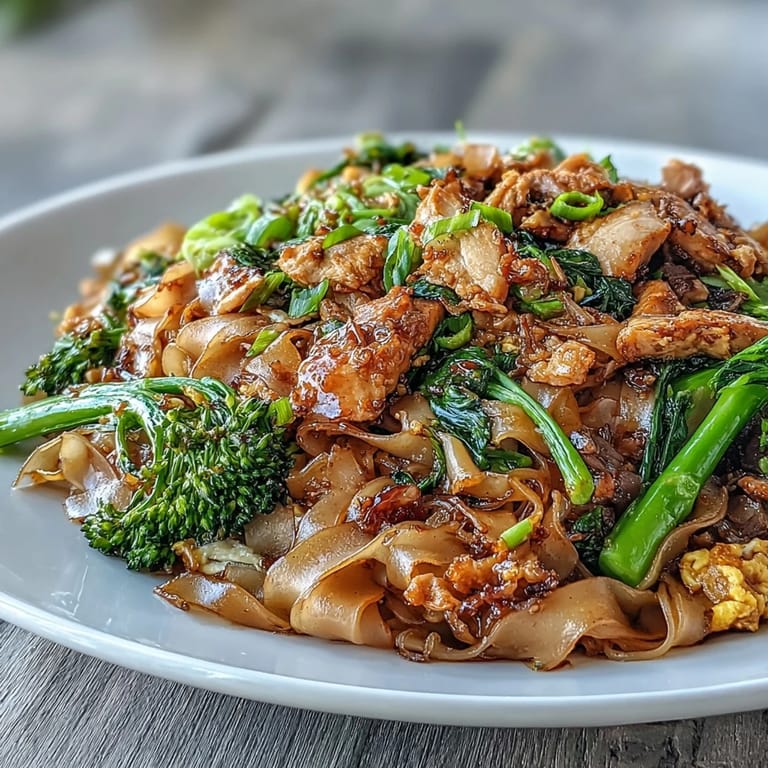
Save The first time I watched a street vendor in Bangkok make Pad See Ew, flames danced three feet above his wok while his hands moved in a blur I couldn't follow. That smoky char flavor stuck with me for years, haunting my kitchen attempts until I finally understood the rhythm of high heat and quick movements. Now this dish has become my go-to when I need something that tastes like takeout but comes together faster than delivery could ever arrive.
Last winter my friend Sarah came over for dinner after a terrible week at work, and I made this noodles recipe hoping to comfort her. She took one bite, closed her eyes, and told me it tasted exactly like the dish she lived on during her college semester abroad. Now she requests it every time she visits, and watching that first bite always reminds me why I love cooking food that carries memories.
Ingredients
- Dried wide rice stick noodles: These soak up the sauce beautifully, though fresh noodles work even better if you can find them
- Chicken thighs: Stay tender and juicy during highheat cooking unlike breast meat which dries out
- Chinese broccoli: Adds authentic crunch and slight bitterness that balances the sweet sauce
- Large egg: Creates those silky ribbons throughout the noodles that make every bite interesting
- Dark soy sauce: Gives the dish its characteristic rich color and deep caramel flavor
- Oyster sauce: The secret ingredient that adds umami depth you cant quite place
- Light soy sauce: Provides the salty base that balances the darker soy sauce sweetness
- White vinegar: Cuts through the richness and brightens the whole dish
- Sugar: Essential for that authentic Thai sweet savory profile
- Garlic: Finely chopped so it releases flavor quickly without burning
- Peanut or vegetable oil: High smoke point means you can get the wok hot enough for proper stir frying
Tired of Takeout? 🥡
Get 10 meals you can make faster than delivery arrives. Seriously.
One email. No spam. Unsubscribe anytime.
Instructions
- Soak the noodles:
- Place dried rice noodles in warm water for 30 minutes until pliable but still firm to the touch, then drain them well
- Whisk the sauce together:
- Combine dark soy sauce, oyster sauce, light soy sauce, vinegar and sugar in a small bowl until sugar completely dissolves
- Prep the Chinese broccoli:
- Cut stems into twoinch pieces and keep leaves larger since theyll cook down faster
- Sear the chicken:
- Heat one tablespoon oil in your wok over high heat, add sliced chicken and stirfry just until cooked through, then remove
- Cook the broccoli:
- Add another tablespoon of oil to the hot wok, stirfry stems for one minute, toss in leaves until just wilted, then set aside
- Scramble the egg:
- Heat remaining oil, sauté garlic briefly until fragrant, crack in the egg and scramble quickly until just set
- Coat the noodles:
- Add noodles to the wok, pour sauce over them and toss constantly until every strand is glossy and coated
- Bring it all together:
- Return chicken and broccoli to the wok and stirfry everything for one to two minutes until steaming hot
- Serve immediately:
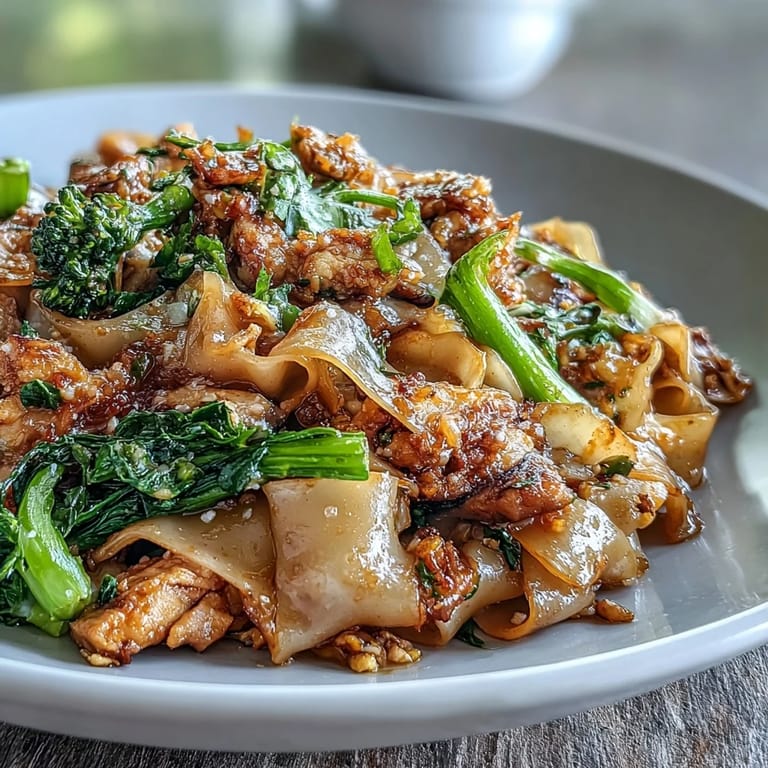
- Divide among plates while the noodles are still hot and at their best texture
 Save
Save My sister called me from college once desperate to recreate the Pad See Ew from her favorite Thai place back home. We walked through the recipe over the phone while she cooked in her tiny dorm kitchen, and when she sent me a photo of her successful attempt, I felt like Id passed down something more than just a recipe.
Getting That Restaurant Wok Hei Flavor
Professional kitchens have burners that reach temperatures home stoves can only dream of, but you can still develop that coveted charred flavor. Let your wok get smoking hot between additions, and dont be afraid to let the noodles briefly sear against the metal surface. Those darkened spots are where the magic lives.
Making It Your Own
While the traditional recipe calls for chicken, Ive found that pork shoulder or beef flank steak work beautifully when thinly sliced across the grain. For a vegetarian version, extrafirm tofu pressed to remove moisture creates those satisfying chewy bits that mimic meat texture. The key is keeping protein pieces uniform so everything cooks at the same rate.
Serving Suggestions That Elevate the Experience
A squeeze of fresh lime right before eating wakes up all the flavors and adds brightness that cuts through the rich sauce. Thai chilies sliced thin on the side let heat lovers customize their spice level. crushed peanuts sprinkled on top bring crunch and nuttiness that complement the soft noodles perfectly.
- Have fish sauce and chili vinegar on the table for personal seasoning
- Pair with a cold Thai iced tea if you want the full restaurant experience
- Cook the noodles just before serving since they continue absorbing sauce
 Save
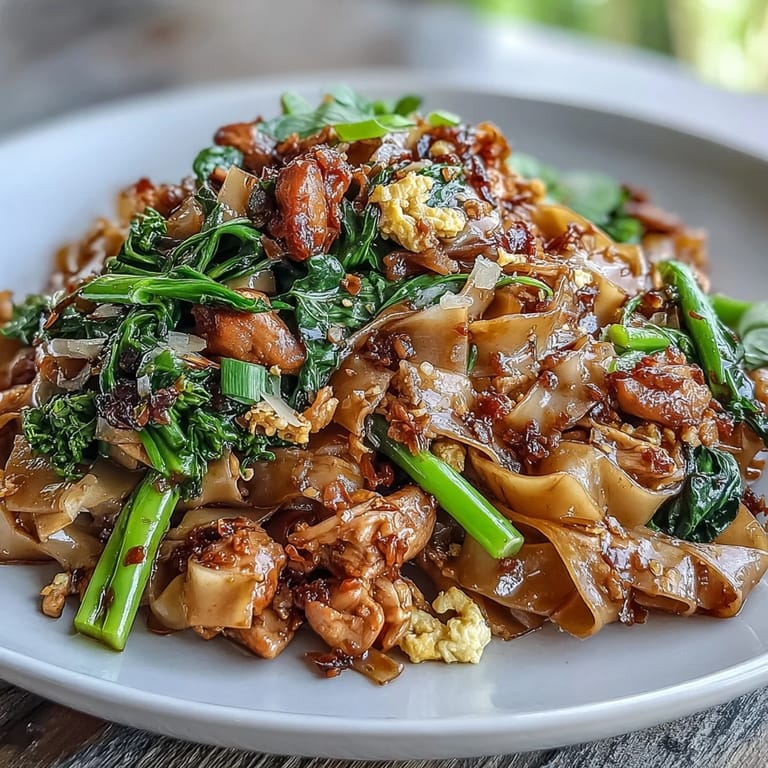
Save Theres something profoundly satisfying about noodles that taste like they came from a street cart but were born in your own kitchen. Every bite reminds me that good food doesnt require a plane ticket, just a hot wok and a little courage.
Recipe Questions & Answers
- → What makes Pad See Ew different from other Thai noodle dishes?
Pad See Ew uses wide flat rice noodles stir-fried over high heat until slightly charred, creating a distinct smoky flavor. Unlike Pad Thai's tangy tamarind profile, Pad See Ew features a savory-sweet sauce made from dark soy sauce and oyster sauce that coats each noodle in a rich, caramelized glaze.
- → Can I use fresh rice noodles instead of dried?
Fresh wide rice noodles are actually preferred for Pad See Ew and will yield the most authentic texture. If using fresh, simply separate the noodles gently before cooking. Dried noodles need soaking in warm water for 30 minutes until pliable but not fully cooked—they'll finish cooking in the wok.
- → What protein substitutions work well?
Thinly sliced beef or pork are excellent alternatives to chicken and cook similarly. For seafood, shrimp work beautifully—add them later in the cooking process as they cook quickly. Firm tofu makes a great vegetarian option; press and pan-fry cubes first before adding to the stir-fry.
- → Why is my sauce not caramelizing?
Proper caramelization requires very high heat and enough space in your wok or skillet. Don't overcrowd the pan, and let the noodles sit briefly against the hot surface without constant stirring. The sugar and soy sauce will naturally caramelize, creating those desirable charred edges and smoky depth.
- → What vegetables can substitute for Chinese broccoli?
Broccolini is the closest substitute, offering similar stems and tender florets. Regular broccoli works in a pinch—cut stems thinly and add florets a bit earlier as they take longer to cook. Baby bok choy or regular bok choy also provide excellent crunch and absorb the sauce beautifully.
- → How do I prevent noodles from sticking to the wok?
Ensure your wok is thoroughly heated before adding oil, and use enough oil to coat the surface well. Keep the noodles moving constantly once they hit the pan, and have your sauce ready to pour immediately. If noodles stick, add a splash of water and scrape gently with your spatula.