 Save
Save The first time I made this pasta, I was broke and craving something that felt fancy—the kind of dish you'd order at a restaurant but could never justify on my budget. I'd seen that viral Marry Me Chicken everywhere, all creamy and swoony, but the price tag on heavy cream and pricy chicken cuts made me wince. So I grabbed what I had: a can of tomatoes from the pantry, some chicken breasts on sale, and a determination to prove that comfort food doesn't require emptying your wallet. Twenty-five minutes later, I was twirling pasta on my fork, genuinely shocked at how restaurant-quality it tasted.
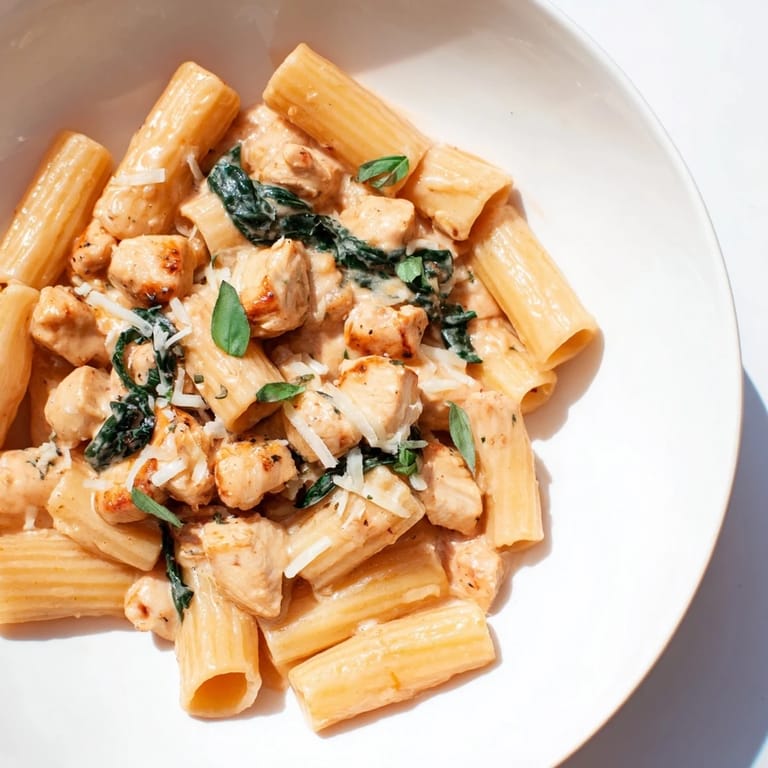
I remember making this for my partner on a random Tuesday after a long day, and they looked genuinely confused when I told them the total cost was under fifteen dollars. The way the cream swirled into the tomato sauce, turning it this gorgeous coral color, felt like small magic happening in a regular skillet. That's when I realized this recipe wasn't just about saving money—it was about serving something that made people feel cared for without the performance.
Ingredients
- Boneless, skinless chicken breasts (2 large, about 500 g): Cut into bite-sized pieces so they cook evenly and stay tender; this size also makes them easier to eat straight from the pasta.
- Penne or rigatoni pasta (350 g / 12 oz): Shapes with ridges or tubes catch the sauce better than smooth pasta, and they're sturdy enough not to break apart when tossed.
- Olive oil (2 tablespoons): Use regular olive oil, not extra virgin, because you'll be cooking at higher heat and you want something that won't smoke or turn bitter.
- Garlic (3 cloves, minced): Mince it fine so it distributes evenly and doesn't overwhelm any single bite; if you use pre-minced, use slightly less because it's more concentrated.
- Dried Italian herbs (1 teaspoon): This is the backbone of the flavor profile; don't skip it or use fresh herbs at this stage because they'll burn.
- Red pepper flakes (1/2 teaspoon, optional): I always add them because they brighten the dish without making it spicy, but use less if you're sensitive to heat.
- Canned diced tomatoes (400 g / 14 oz, drained): Draining them keeps the sauce from becoming watery; save the juice for another use or sipping if you're thirsty.
- Chicken broth (120 ml / 1/2 cup): This lightens the cream without diluting flavor, and it's why this dish tastes balanced rather than heavy.
- Heavy cream (120 ml / 1/2 cup): Don't substitute with milk here because the sauce won't thicken or taste luxurious; use half-and-half if you want something lighter but still creamy.
- Grated Parmesan cheese (40 g / 1/2 cup): Freshly grated tastes better than pre-shredded, but either works; just taste before adding salt because Parmesan is salty.
- Fresh spinach (50 g / 2 cups, optional): It wilts into nothing in seconds and adds color, nutrition, and a subtle earthiness that keeps the dish from tasting one-dimensional.
- Fresh basil (for garnish): Tear it by hand instead of cutting so it stays bright; add it at the very end so it doesn't turn black or bitter from the heat.
Tired of Takeout? 🥡
Get 10 meals you can make faster than delivery arrives. Seriously.
One email. No spam. Unsubscribe anytime.
Instructions
- Get your water going:
- Fill a large pot with water, salt it like the sea, and bring it to a rolling boil; this is your only shot at flavoring the pasta, so don't be shy with the salt.
- Cook the pasta to al dente:
- Stir it once when you add it so it doesn't stick, and taste it a minute before the package says it's done because it'll keep cooking slightly when you toss it with the hot sauce. Reserve 1/2 cup of pasta water before draining—this starchy liquid is your secret weapon for getting the sauce to coat every strand.
- Get the chicken golden:
- Heat olive oil in a large skillet over medium-high heat until it shimmers, then add the chicken pieces in a single layer; resist the urge to move them around for the first couple of minutes so they develop a crust. Once both sides are golden and the inside is cooked through, move them to a plate and don't worry if they're not completely done because they'll finish cooking when they go back in the sauce.
- Build the flavor base:
- In the same skillet (don't rinse it, all that golden stuff stuck to the bottom is flavor), reduce the heat to medium and add the minced garlic, Italian herbs, and red pepper flakes. You'll know it's ready when the smell hits you and makes you stop and take a breath—that's about 1 minute.
- Add the tomatoes and broth:
- Pour in the drained diced tomatoes and chicken broth, stirring to scrape up those brown bits from the bottom of the pan, then let it simmer for a few minutes while the flavors get to know each other. The sauce will look a bit thin at this point, but that's intentional.
- Make it creamy:
- Lower the heat even further and slowly pour in the heavy cream while stirring, then add the Parmesan cheese and let the whole thing gently bubble for 2–3 minutes until it thickens slightly and turns that gorgeous peachy-coral color. If you rush this step or use high heat, the cream can break and look grainy, so patience is your friend here.
- Bring it all together:
- Return the chicken and any juices from the plate back to the skillet, then stir in the spinach (if using) and cook just until it disappears into the sauce. Add the cooked pasta and toss everything together, adding splashes of reserved pasta water if the sauce seems too thick or clings too much to the pasta.
- Taste and adjust:
- This is the moment to be honest with yourself—does it need more salt, more pepper, a pinch more heat? Adjust to your taste, then serve hot with a generous handful of fresh basil torn over the top.
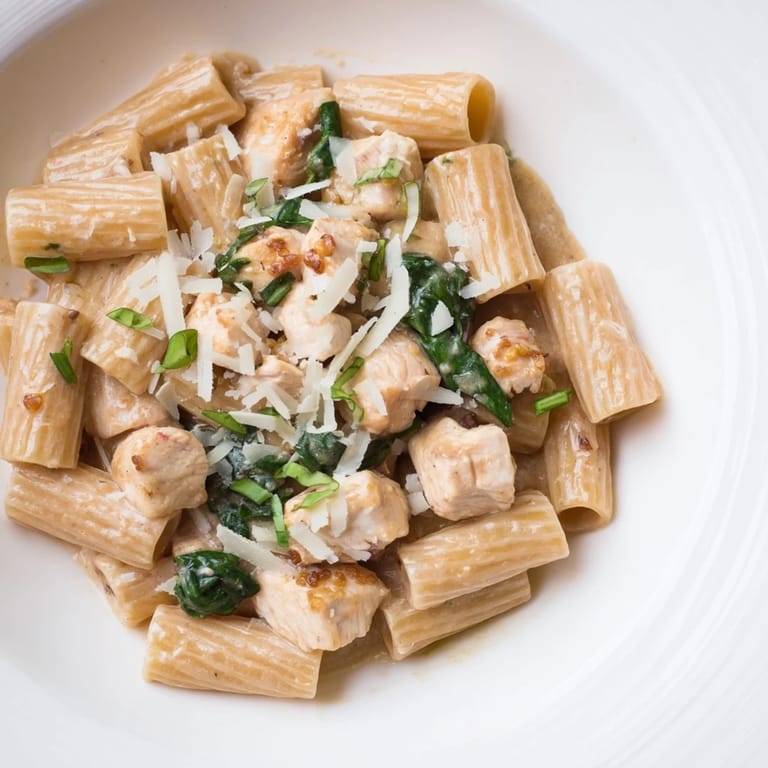 Save
Save There was this moment, maybe my third time making this, when my roommate came home while I was cooking and just stood in the doorway sniffing the air. She didn't say anything, just smiled, and I realized that meals like this have a way of filling a space with something that feels like care. It's not complicated or pretentious, but it lands.
Why This Works on a Budget
Canned tomatoes are one of the best-kept secrets in affordable cooking because they're picked and canned at peak ripeness, often tasting better than fresh tomatoes that traveled across the country. Chicken breasts are cheaper than thighs, and while thighs are juicier, these breasts stay tender when you cut them small and cook them quickly. The cream stretches further when mixed with broth, so you get that luxurious mouthfeel without needing a full cup of heavy cream. Dried herbs are pantry staples that cost pennies but taste like you spent actual money on fresh ones.
Variations and Swaps
If you want more richness, use chicken thighs instead of breasts—they're fattier and stay juicier, though they take a minute longer to cook through. Rotisserie chicken is another option if you're in a real time crunch; just shred it and warm it in the sauce at the end instead of cooking it from raw. For extra depth, add a couple of sun-dried tomatoes to the sauce, or swap the spinach for peppery arugula that you toss in right at the end so it stays fresh and bright. If cream feels like too much, half-and-half works fine and lightens the dish without sacrificing flavor.
Pairing and Serving Suggestions
This dish is almost made for a glass of crisp white wine—Pinot Grigio is the obvious choice because it's not too heavy and has enough acidity to cut through the cream. A simple green salad with a sharp vinaigrette does the same thing if you're not drinking, and it adds a textural contrast that keeps the meal from feeling one-note. Serve it straight from the skillet if you're cooking for people you're comfortable with, or plate it nicely if you want to feel a little fancy.
- Don't wait to serve this—it's best eaten hot and immediately after combining everything together.
- If you have leftovers, reheat gently on the stovetop with a splash of milk or broth so the sauce loosens back up.
- Make extra pasta water and freeze it in ice cube trays so you always have some on hand for loosening sauces when reheating.
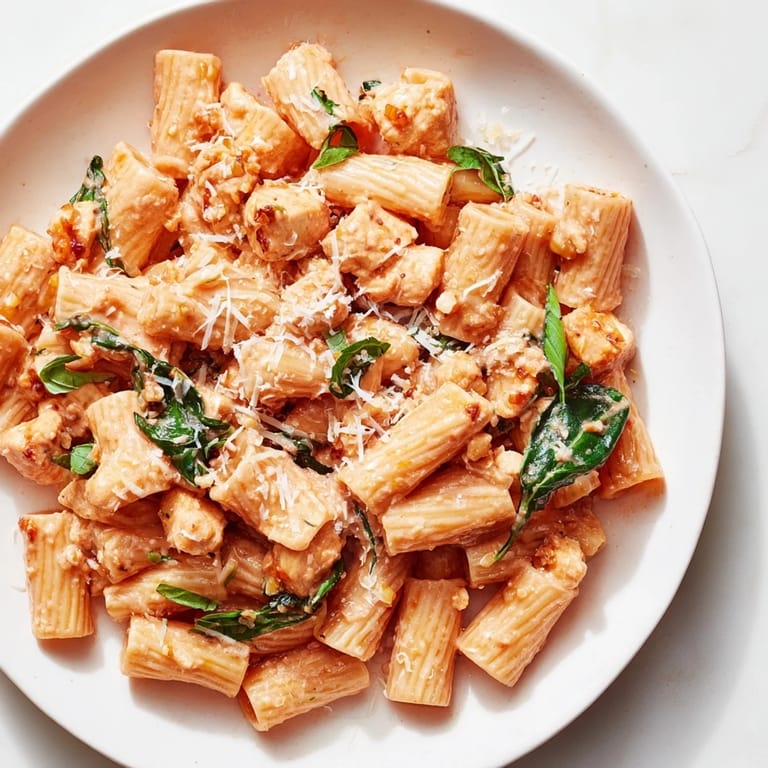 Save
Save This recipe proved to me that you don't need fancy ingredients or complicated techniques to make something that feels special. It's proof that good food is just about paying attention and using what you have with intention.
Recipe Questions & Answers
- → Can I use chicken thighs instead of breasts?
Absolutely. Chicken thighs provide a juicier texture and rich flavor. Adjust cooking time slightly to ensure they are cooked through.
- → What pasta works best for this dish?
Penne or rigatoni are ideal as they hold the creamy sauce well, but any short pasta shape will work fine.
- → How can I make the sauce thicker?
Simmer the sauce gently for a few extra minutes or add reserved pasta water gradually to reach desired consistency.
- → Are there vegetarian options for this dish?
For a vegetarian twist, substitute chicken with mushrooms or plant-based proteins, and use vegetable broth.
- → Can I prepare this ahead of time?
Yes, the sauce can be made in advance and reheated. Cook pasta just before serving for best texture.