 Save
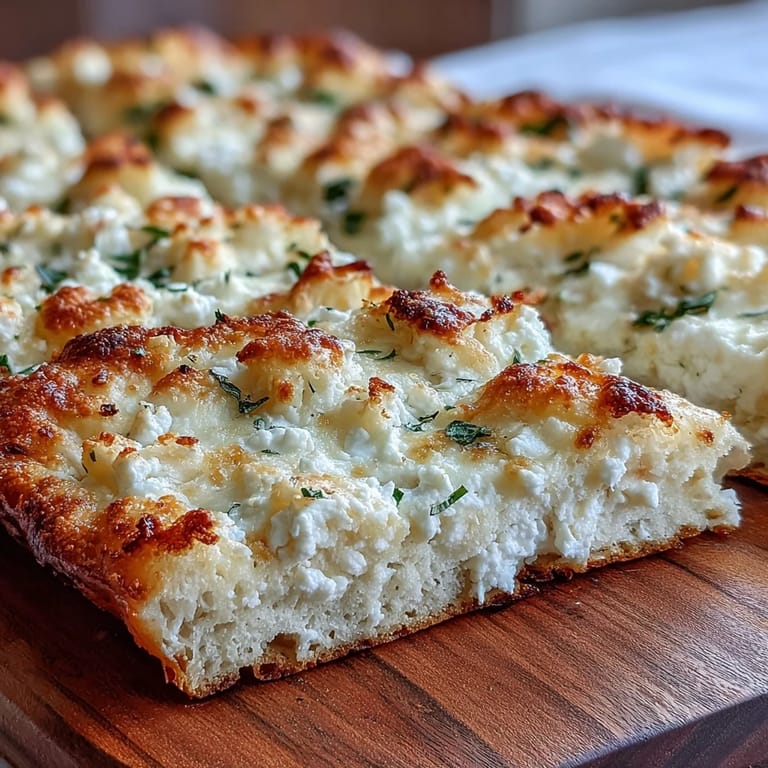
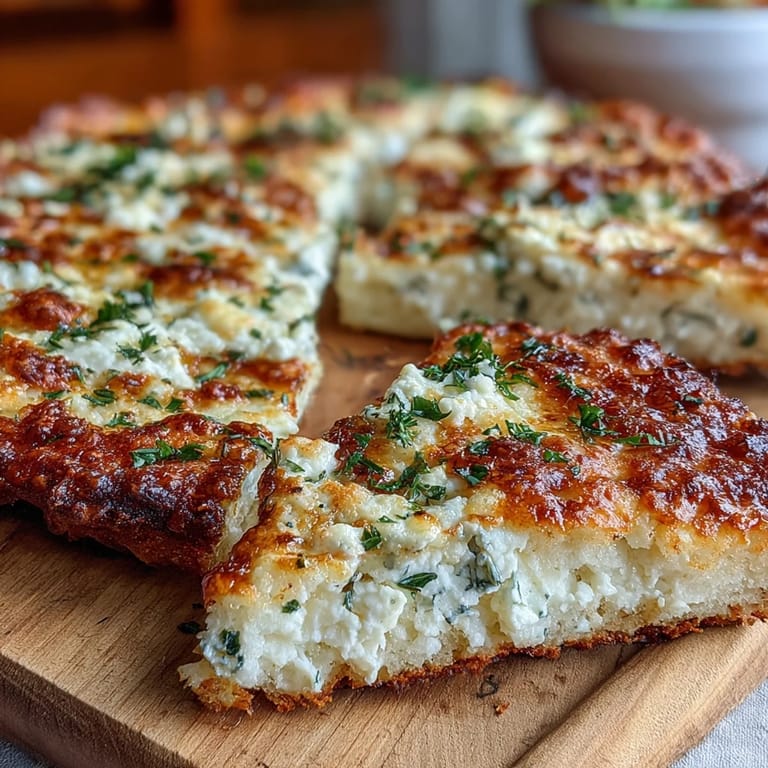
Save My neighbor brought over a tub of cottage cheese she couldn't finish, and I hate wasting food. I'd never thought to bake with it before, but something about the creamy tang made me wonder if it could work like yogurt in dough. Twenty minutes later, I was pulling golden, pillowy flatbreads from my skillet, shocked at how tender they turned out. Now I keep cottage cheese stocked just for this.
I made these on a rainy Tuesday when my daughter wanted pizza but we were out of naan. She watched me roll the dough, skeptical, then devoured two topped with marinara and mozzarella. She still asks for cottage cheese pizza night, and I never correct her. It's our thing now.
Ingredients
- All-purpose flour: The backbone of the dough, keep extra nearby for dusting because this dough can be a little clingy at first.
- Baking powder: This is what gives the flatbreads their airy lift without any yeast or rise time.
- Fine salt: Balances the tanginess of the cottage cheese and brings out the garlic and herbs.
- Garlic powder: Optional but recommended, it adds a warm, savory note that makes these feel more intentional.
- Full-fat cottage cheese: Drain it well or your dough will be too sticky, the fat keeps the flatbreads tender and rich.
- Large egg: Binds everything together and adds structure so the flatbreads hold up to toppings or folding.
- Olive oil: A little in the dough and a little in the pan, it adds flavor and helps with browning.
- Fresh chopped herbs: Parsley or chives bring brightness, but skip them if you're in a hurry.
- Water: Only if needed, add it slowly because dough consistency can vary based on your cottage cheese brand.
Tired of Takeout? 🥡
Get 10 meals you can make faster than delivery arrives. Seriously.
One email. No spam. Unsubscribe anytime.
Instructions
- Mix the dry base:
- Whisk the flour, baking powder, salt, and garlic powder in a medium bowl until there are no lumps. This ensures even seasoning in every bite.
- Blend the wet ingredients:
- Combine the drained cottage cheese, egg, olive oil, and herbs in another bowl. Use a fork to mash the curds until the mixture is mostly smooth and creamy.
- Form the dough:
- Pour the wet mix into the dry ingredients and stir gently with a spatula until a shaggy dough forms. If it feels crumbly, add water one teaspoon at a time until it just comes together.
- Knead lightly:
- Turn the dough onto a floured surface and fold it over itself six to eight times. You're not kneading bread here, just bringing it into a soft, cohesive ball.
- Let it rest:
- Cover the dough with a towel or plastic wrap and let it sit for ten minutes. This relaxes the gluten and makes rolling much easier.
- Divide and shape:
- Cut the dough into four equal pieces and roll each into a smooth ball. Flatten each ball with a rolling pin or your palms into a round about a quarter inch thick, dusting with flour as needed.
- Heat the skillet:
- Warm a nonstick or cast-iron skillet over medium heat and brush lightly with olive oil. Let it get hot but not smoking.
- Cook the flatbreads:
- Place one flatbread in the skillet and cook for two to three minutes until bubbles appear and the bottom is golden. Flip and cook another one to two minutes until cooked through and lightly charred.
- Keep warm:
- Transfer the cooked flatbread to a plate and cover with a clean towel to keep it soft. Repeat with the remaining dough, adding more oil to the pan as needed.
- Serve immediately:
- Enjoy them warm as wraps, with hummus or tzatziki, or topped with sauce and cheese for quick personal pizzas.
 Save
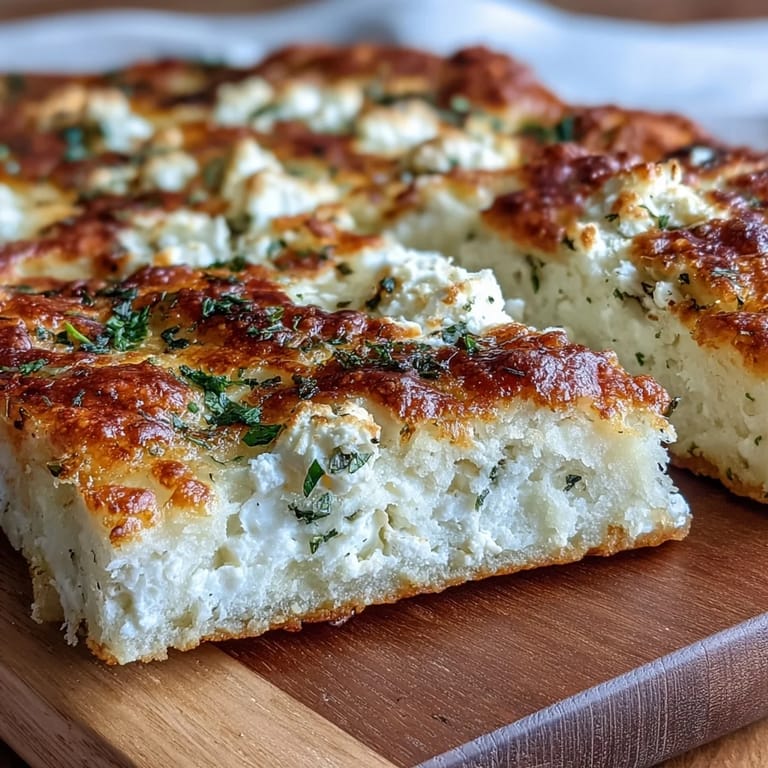
Save The first time I served these at a potluck, someone asked if I'd bought them from a Middle Eastern bakery. I just smiled and said I had a good recipe. They're impressive without trying to be, and that's the kind of cooking I love most.
Customizing Your Flatbreads
I've folded finely chopped spinach and sun-dried tomatoes into the dough for color and extra flavor. You can also swap the herbs for za'atar or smoked paprika depending on what you're serving them with. If you want a gluten-free version, use a one-to-one blend and add a tablespoon of ground flaxseed for structure.
Storing and Reheating
These flatbreads keep in an airtight container in the fridge for up to three days, or you can freeze them for a month. To reheat, warm them in a skillet over low heat or microwave them wrapped in a damp paper towel for fifteen seconds. They'll soften right back up like they just came off the stove.
Serving Suggestions
I've used these as a base for everything from breakfast wraps with scrambled eggs to quick weeknight pizzas topped with whatever's in the fridge. They're sturdy enough to hold grilled vegetables and feta, but soft enough to fold around chicken shawarma or falafel.
- Brush with garlic butter right after cooking for extra richness.
- Serve alongside soups or stews instead of bread.
- Cut into wedges and use as dippers for baba ganoush or spinach artichoke dip.
 Save
Save These flatbreads have become my go-to when I want something homemade but don't have the time or energy for complicated recipes. They're proof that simple ingredients and a hot skillet can make something really special.
Recipe Questions & Answers
- → Why use cottage cheese in flatbread dough?
Cottage cheese adds moisture and tenderness to the dough while contributing protein and a subtle tangy flavor. The curds break down during mixing, creating a soft, pillowy texture that stays fresh longer than traditional flatbreads.
- → Can I make the dough ahead of time?
Yes, you can prepare the dough and refrigerate it for up to 24 hours before rolling and cooking. Let it come to room temperature for about 15 minutes before dividing and shaping, as cold dough will be harder to roll thinly.
- → What's the best way to reheat leftover flatbreads?
Reheat in a warm skillet for 30 seconds per side to restore the original texture. Alternatively, wrap in a damp paper towel and microwave for 15-20 seconds. This method brings back the softness without drying them out.
- → Can I freeze these flatbreads?
Absolutely. Freeze cooked flatbreads in a resealable bag with parchment paper between each piece for up to 1 month. Thaw at room temperature, then warm in a skillet or microwave to refresh the texture.
- → What works well as a topping for these flatbreads?
These flatbreads shine as pizza bases—try marinara, mozzarella, and fresh basil. They're also excellent for wraps with hummus and roasted vegetables, or simply brushed with garlic butter and sprinkled with sea salt while warm.
- → How do I know when the flatbread is cooked through?
Look for golden brown spots on the surface and bubbles forming across the top. The underside should have deep golden-brown patches. When pressed lightly, the flatbread should feel firm but still yield slightly, with no raw or doughy resistance.