 Save
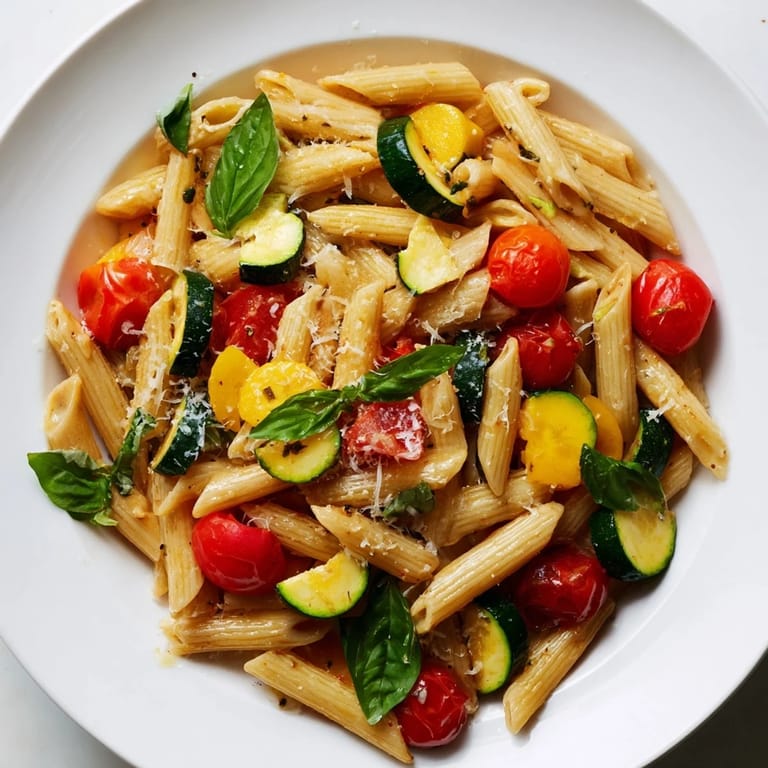
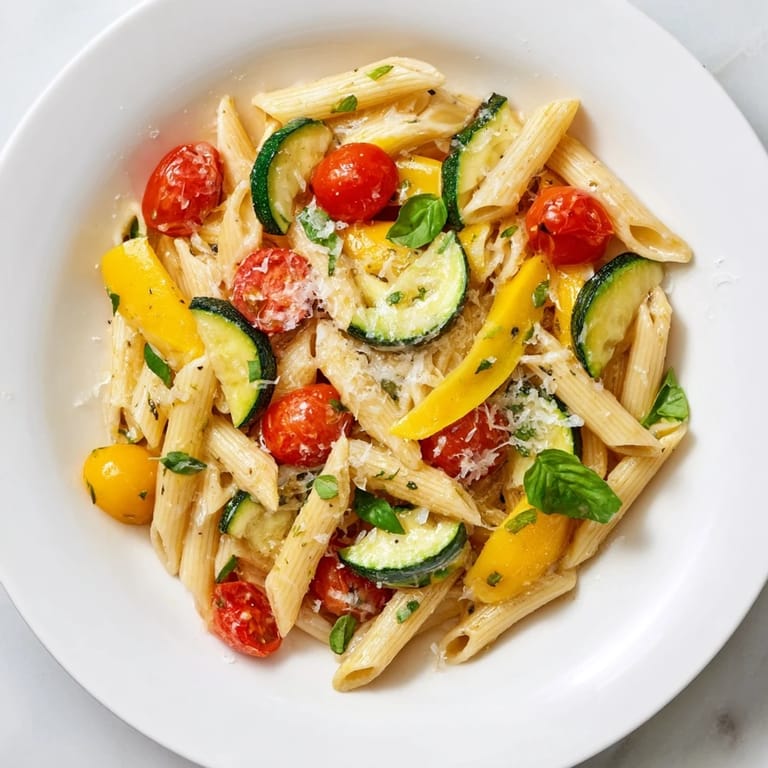
Save There was a Wednesday in July when I had more zucchini than I knew what to do with, three yellow squash turning soft on the counter, and a colander of tomatoes still warm from the sun. I didn't plan to make pasta that night, but standing there with all that color piled in front of me, it felt like the only honest thing to do. I boiled water, sliced everything thin, and let the vegetables talk to each other in a hot skillet with garlic and olive oil. What came together in under half an hour tasted like the entire summer had been distilled into one bowl, and I've been making it that way ever since.
I made this for my neighbor once after she mentioned she was trying to eat less meat but didn't want to feel like she was missing anything. She stood in my kitchen with a fork, tasting it straight from the skillet, and said it was the first time vegetables felt like the main event instead of an apology. That comment stuck with me because it's exactly what this dish does. It doesn't pretend to be something else or try too hard, it just lets summer vegetables be enough.
Ingredients
- Penne or fusilli pasta (12 oz): Short pasta with ridges or twists holds onto the olive oil and bits of tomato better than long noodles, and it's easier to toss with vegetables without everything sliding apart.
- Zucchini (1 medium): Slice it into half-moons so it cooks evenly and doesn't turn mushy, and don't worry if the pieces aren't perfect because they'll soften into the dish beautifully.
- Yellow squash (1 medium): It has a slightly sweeter flavor than zucchini and adds another layer of color, but if you only have one or the other, just use two of the same.
- Cherry or grape tomatoes (2 cups): Halve them so they burst and release their juices when they hit the heat, creating a light sauce that clings to the pasta without any extra work.
- Extra virgin olive oil (2 tbsp): Use the good stuff here because it's not just for cooking, it becomes the base of the sauce and you'll taste it in every bite.
- Garlic (3 cloves, minced): Cook it just until it smells like summer and turns golden, but pull it off the heat before it browns or it'll taste bitter.
- Kosher salt (1/2 tsp, plus more for pasta water): Season the water like the sea so the pasta tastes seasoned from the inside out, then add a little more to the vegetables as they cook.
- Black pepper (1/4 tsp): Freshly ground makes a difference here, it adds a subtle warmth that dried pepper just can't match.
- Fresh basil (1/4 cup, sliced): Tear or slice it at the last minute and stir it in off the heat so it stays bright green and fragrant instead of turning dark and dull.
- Red pepper flakes (1/4 tsp, optional): Just a pinch wakes up the whole dish without making it spicy, but leave it out if you're serving kids or anyone who doesn't like heat.
- Parmesan cheese (1/3 cup, optional): Grate it fresh if you can, it melts into the pasta and adds a salty richness that makes everything taste more complete.
- Lemon zest (optional): A few strips over the top at the end brighten the whole bowl and make it taste even more summery.
Tired of Takeout? 🥡
Get 10 meals you can make faster than delivery arrives. Seriously.
One email. No spam. Unsubscribe anytime.
Instructions
- Boil the pasta:
- Bring a large pot of salted water to a rolling boil and cook the pasta until it still has a little bite in the center. Before you drain it, scoop out half a cup of the starchy pasta water because you'll need it later to bring everything together.
- Sauté the garlic:
- Heat the olive oil in a large skillet over medium heat and add the minced garlic, stirring it around for about a minute until it smells incredible but hasn't turned brown. Pull the pan off the heat for a second if it's cooking too fast.
- Cook the squash:
- Add the zucchini and yellow squash to the skillet and let them cook for four or five minutes, stirring every now and then until they're tender but not falling apart. They should still have a little structure and a bit of color on the edges.
- Add the tomatoes:
- Toss in the halved tomatoes along with the salt, black pepper, and red pepper flakes if you're using them, and cook for another three or four minutes until the tomatoes soften and start to release their juices. The pan should look glossy and smell sweet.
- Combine with pasta:
- Turn the heat down to low and add the drained pasta directly to the skillet, tossing everything together with tongs or a wooden spoon. Add a splash of the reserved pasta water a little at a time until the sauce coats the noodles and everything looks silky.
- Finish with basil and cheese:
- Stir in the fresh basil and Parmesan if you're using it, then taste and add more salt or pepper if it needs it. The basil should wilt slightly but stay green and fragrant.
- Serve:
- Divide the pasta into bowls and top with extra basil leaves and a little lemon zest if you want that extra burst of brightness.
 Save
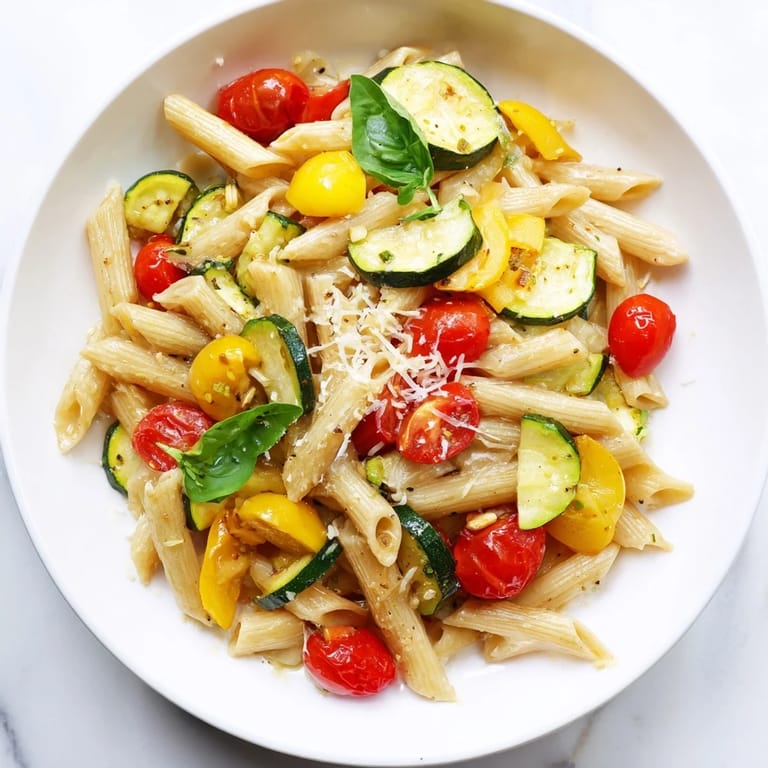
Save One evening I made this for a small dinner on the back porch, and we ate it out of wide shallow bowls with bread on the side and cold white wine. No one said much for the first few minutes, just the sound of forks and the occasional hum of approval. Later someone said it tasted like eating sunshine, and even though it sounded silly, I knew exactly what they meant.
What to Do with Leftovers
This pasta is one of those rare dishes that actually tastes good cold the next day, straight from the fridge with a fork while standing at the counter. The flavors settle overnight and the olive oil soaks into the noodles, turning it into something almost like a pasta salad. If you want to reheat it, add a splash of water or olive oil to a skillet and warm it gently over low heat, stirring until it loosens up and looks glossy again.
How to Make It Your Own
I've added handfuls of baby spinach at the end when I had it wilting in the crisper, and I've stirred in white beans when I wanted something more filling. Sometimes I swap the basil for fresh oregano or add a handful of arugula right before serving for a peppery bite. If you have bell peppers or eggplant that need using, slice them thin and toss them in with the squash, just give them a few extra minutes to soften.
Pairing and Serving Ideas
This dish is light enough that it doesn't need much on the side, but a crusty baguette or a simple green salad with lemon vinaigrette rounds it out nicely. I like it with a chilled Sauvignon Blanc or Pinot Grigio, something crisp that doesn't compete with the vegetables. If you're serving it for a crowd, double the recipe and toss it in a big serving bowl, it looks beautiful and people can help themselves.
- Serve it warm for dinner or at room temperature for a potluck.
- Top with toasted pine nuts or slivered almonds for extra texture.
- Drizzle with a little balsamic glaze if you want a touch of sweetness.
 Save
Save This is the kind of recipe that makes you feel capable in the kitchen without trying too hard, and it reminds you that good food doesn't have to be complicated. I hope it becomes one of those dishes you make without thinking, the kind that turns a regular weeknight into something worth sitting down for.
Recipe Questions & Answers
- → Can I use different vegetables?
Absolutely. Bell peppers, spinach, mushrooms, or eggplant work wonderfully. Adjust cooking times based on vegetable density—harder vegetables may need extra time to soften.
- → How do I make this vegan?
Simply omit the Parmesan cheese or substitute with a plant-based Parmesan alternative. All other ingredients are naturally vegan-friendly.
- → What type of pasta works best?
Penne and fusilli are ideal because their ridges and shapes catch the vegetable pieces. However, spaghetti, linguine, or any short pasta shape will work well.
- → Why reserve pasta water?
Pasta water contains starch that creates a silky, emulsified sauce when combined with the olive oil and vegetable juices. Use as needed to achieve your desired consistency.
- → Can I prepare this ahead?
Cook vegetables in advance and store separately from pasta. Combine them just before serving to maintain texture and prevent the pasta from becoming mushy.
- → What wine pairs well with this dish?
Crisp white wines like Sauvignon Blanc or Pinot Grigio complement the fresh vegetables and light olive oil base beautifully.