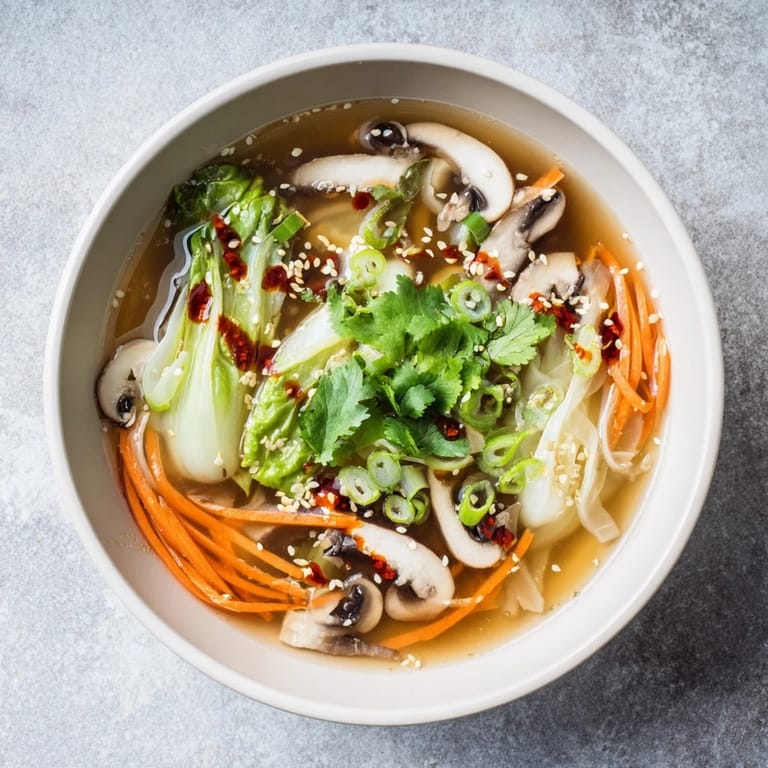
 Save
Save The first time I made this soup was during a particularly brutal February when my heating decided to quit. I'd been feeling run down and needed something that felt like a warm hug from the inside out. My Japanese neighbor had mentioned that miso broth was her go-to whenever anyone in her family felt under the weather. That afternoon, I simmered ginger until the whole kitchen smelled like comfort itself.
Last winter, my friend Sarah came over after a terrible flight delay, looking like she needed to be defrosted. I made this soup while she curled up under my thickest blanket. She took one sip, closed her eyes, and asked if I could teach her how to make it. Now she texts me every time she puts a pot on, always with some variation she discovered at the market.
Ingredients
- 6 cups water or vegetable broth: Use low-sodium broth if you want more control over the salt level, though water works beautifully since the miso provides plenty of depth
- 2-inch piece fresh ginger: Slice it thinly rather than mincing, this way you can fish out the slices if you prefer a smoother broth
- 2 garlic cloves: Thin slices will infuse the broth without becoming overwhelming
- 2 tablespoons white or yellow miso paste: White miso is milder and sweeter, yellow brings a bit more intensity
- 1 cup napa cabbage: It adds sweetness and silkiness, unlike heartier greens that can overpower the delicate broth
- 1 medium carrot: Julienned or thinly sliced so it cooks through quickly and absorbs the ginger flavor
- 1 cup shiitake mushrooms: They bring an earthy richness that makes this feel substantial despite being light
- 2 scallions: Both white and green parts add brightness and color
- 1 tablespoon toasted sesame seeds: Toast them in a dry pan until fragrant, it makes all the difference
- 1 tablespoon fresh cilantro or parsley: Fresh herbs wake up the warm broth with a burst of brightness
- 1 teaspoon chili oil or chili flakes: Just a whisper of heat to contrast the soothing miso
- 200 g silken tofu (optional): Cubed gently so it doesnt break apart in the soup
- 100 g soba or rice noodles (optional): Cook them separately and add at the end so they dont turn the broth cloudy
Tired of Takeout? 🥡
Get 10 meals you can make faster than delivery arrives. Seriously.
One email. No spam. Unsubscribe anytime.
Instructions
- Build the foundation:
- Bring your water or broth to a gentle simmer over medium heat, not a rolling boil, you want this to be patient work
- Infuse the aromatics:
- Add the sliced ginger and garlic, letting them swim in the broth for 10 minutes until your kitchen smells like a spa
- Add the vegetables:
- Toss in the cabbage, carrot, and shiitakes, simmering for 5-7 minutes until the cabbage is silky and the carrots tender
- Temper the miso:
- Remove the pot from heat entirely, whisk the miso paste with a ladle of hot broth in a small bowl until smooth, then stir it back into the soup, never boiling the miso or youll lose those beneficial probiotics
- Finish with warmth:
- If using tofu and noodles, add them now and let them warm through for just 2 minutes, then ladle into bowls and shower with scallions, sesame seeds, herbs, and that final kiss of chili oil
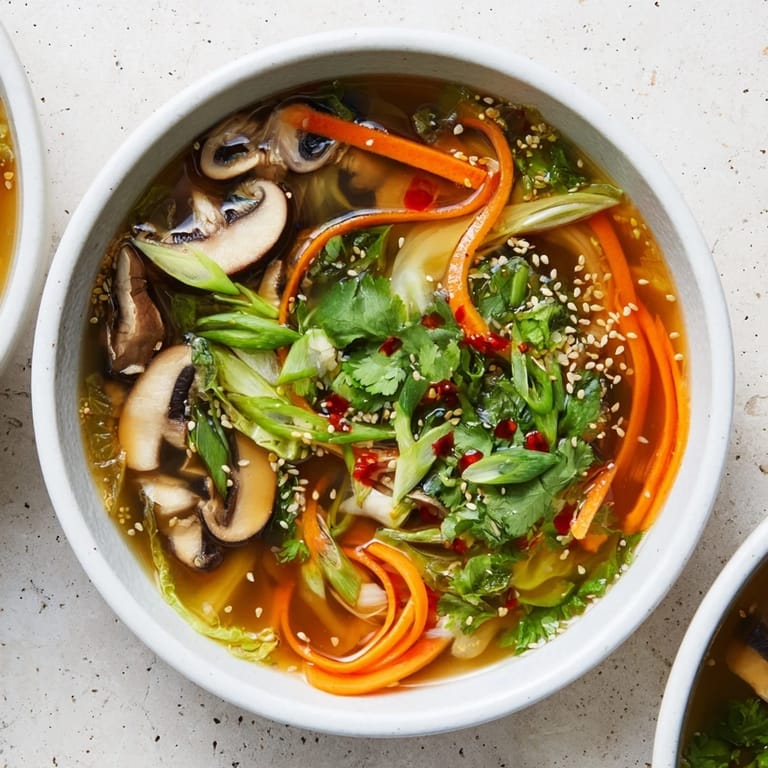 Save
Save This soup became my ritual during a month-long period when I was working too much and eating too poorly. Every Sunday, Id make a pot and eat it for lunch all week. Something about the ritual of ladling it into a bowl, breathing in the steam, felt like a small act of self care I otherwise wasnt making time for.
Building Depth Without the Fuss
The secret to restaurant-quality miso soup at home is patience with the aromatics. Letting ginger and garlic gently simmer rather than throwing everything in at once creates layers of flavor. I learned this after years of rushing the process and wondering why mine never tasted as good as what I ordered out.
Vegetable Swaps That Actually Work
Ive tried putting everything in this soup. Bok choy is fantastic, spinach wilts beautifully into the broth, and daikon adds a lovely peppery bite. The key is thinking about how each vegetable will behave in liquid, avoiding anything that might turn mushy or overpower the delicate miso.
Making It a Complete Meal
When this needs to be dinner rather than a starter, I add soba noodles or cubes of silken tofu. The tofu absorbs all that ginger miso flavor, becoming little pillows of savory goodness. Sometimes I even crack an egg directly into the simmering broth, letting it poach right there in the bowl.
- Cook noodles separately to keep the broth clear and clean
- Add protein at the very end so it doesnt become rubbery
- Have garnishes ready before you ladle the soup, it starts cooling immediately
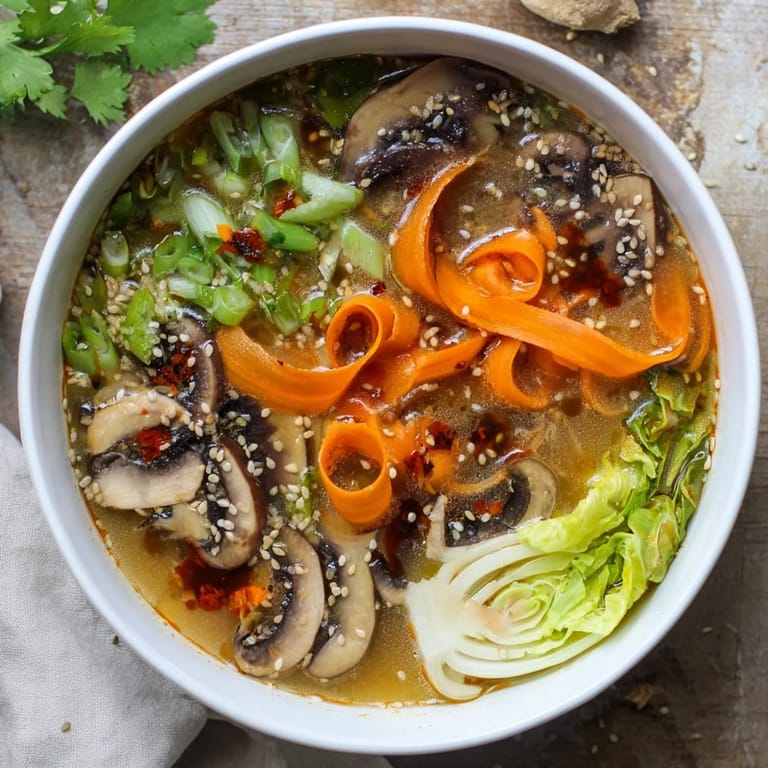 Save
Save This is the soup I make for friends who are sick, sad, or just tired of being cold. Every time I stir a pot, I think about how food doesnt have to be complicated to be healing.
Recipe Questions & Answers
- → Why shouldn't I boil miso?
Boiling miso paste destroys its beneficial probiotics and can create a grainy texture. Always whisk miso into a small amount of hot liquid first, then stir into the soup after removing it from heat. This preserves both the health benefits and smooth consistency.
- → Can I use red miso instead of white?
Yes, though red miso has a stronger, more intense flavor and darker color. White miso provides a milder, slightly sweet taste that works beautifully in this light broth. If using red miso, start with 1 tablespoon and adjust to taste.
- → How long does this soup keep?
Store cooled soup in an airtight container for up to 3 days. Reheat gently over medium-low heat, avoiding boiling to preserve miso's beneficial properties. The broth may thicken slightly; thin with water or vegetable broth if needed.
- → What vegetables work best?
Napa cabbage, carrots, and shiitake mushrooms are traditional, but try bok choy, spinach, daikon radish, or winter squash. Root vegetables add heartiness, while leafy greens wilt beautifully into the hot broth.
- → Is this soup gluten-free?
The base is naturally gluten-free, but check your miso paste and soy sauce labels. Some miso brands contain barley, and standard soy sauce has wheat. Use tamari or certified gluten-free miso to ensure the dish remains gluten-free.
- → Can I make this in advance?
Prepare the ginger-infused broth and vegetables up to 2 days ahead. Store separately and reheat before adding miso paste just before serving. This prevents the miso from losing its probiotic benefits and maintains the freshest flavor.