 Save
Save I was eighteen when I first tried to replicate that KFC magic at home, standing in my tiny apartment kitchen with a bottle of buttermilk and determined optimism. My roommate walked past the stove, caught that unmistakable aroma of fried chicken and spices hitting hot oil, and just stopped dead in her tracks. That moment—her expression shifting from skepticism to genuine interest—told me I'd cracked something worth keeping. This recipe has lived in my kitchen ever since, evolving with each batch, each adjustment to the heat and time until it became something I actually prefer to the original.
Years later, I made this for my dad on a random Tuesday, not for any occasion, just because he mentioned offhand that he missed good fried chicken. He sat at the kitchen counter while I cooked, asking questions about the spice ratios like they were trade secrets—which, in a way, they are. When he took that first bite, he didn't say much, just closed his eyes for a second, and that was all the thanks I needed.
Ingredients
- 8 pieces bone-in, skin-on chicken: The skin crisps differently than boneless cuts, and the bones add structure so pieces don't dry out during the fry.
- 250 ml buttermilk: This isn't just a tenderizer—the acidity and fat create a batter that grips the seasoning and fries up golden, not pale.
- All-purpose flour (200g): Standard, forgiving, and the perfect base for holding all those layered spices without burning.
- Paprika, garlic powder, onion powder: The holy trinity that gives you depth; these three alone are doing most of the flavor work.
- Thyme, basil, oregano, sage: Dried herbs that whisper rather than shout, adding an herbaceous undertone that separates this from generic fried chicken.
- Celery salt, mustard powder, ground ginger, cayenne: These are your secret weapons—celery salt brings umami, mustard adds a subtle bite, ginger gives warmth, cayenne brings the heat you can control.
- White and black pepper: Both matter; they provide slightly different heat and flavor notes that together feel more complete.
- 1 liter vegetable oil: A neutral oil that won't compete with your spices and can handle the high heat without breaking down.
Tired of Takeout? 🥡
Get 10 meals you can make faster than delivery arrives. Seriously.
One email. No spam. Unsubscribe anytime.
Instructions
- Make Your Marinade:
- Whisk buttermilk, salt, and black pepper together in a large bowl until they're just combined. The simplicity here is intentional—buttermilk does the heavy lifting, breaking down the chicken fibers while the salt seasons from within.
- Marinate Overnight (or at Least One Hour):
- Submerge your chicken pieces and cover the bowl. Overnight is genuinely better because the acid has time to work its magic, but one hour will work in a pinch.
- Mix Your Spice Blend:
- In a separate bowl, whisk together every single dry ingredient—flour, paprika, all the powders, all the herbs. Mix it thoroughly so no spice sits in pockets; you want consistency in every bite.
- Dredge and Rest:
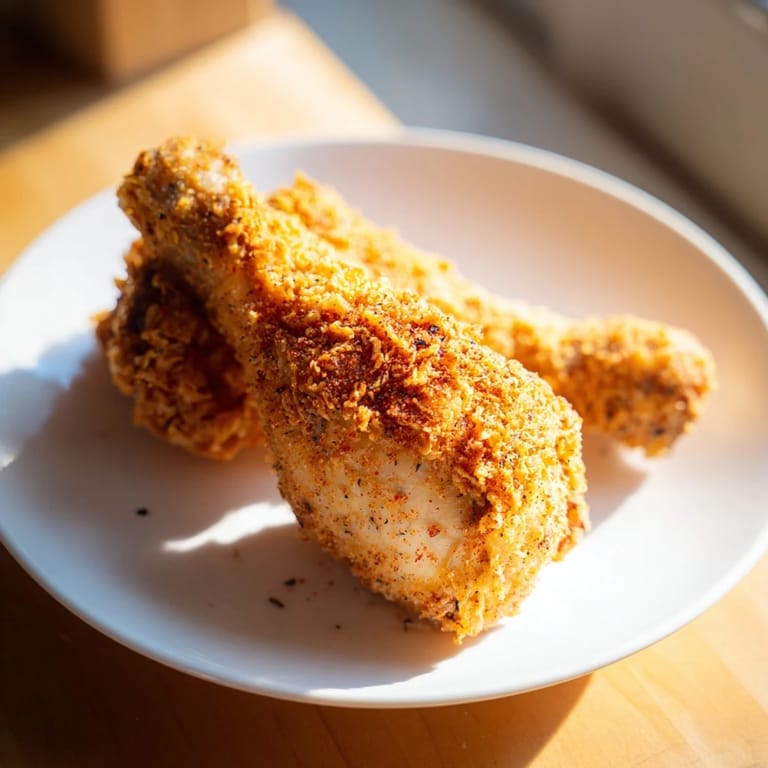
- Remove chicken from marinade, letting excess drip off without shaking too aggressively. Press each piece firmly into the flour mixture, coating both sides and any crevices, then set them on a wire rack for ten minutes—this resting time lets the coating bond and cling better during frying.
- Heat Your Oil:
- Use a thermometer and bring the oil to exactly 170°C (340°F). Too cool and you get soggy, oily chicken; too hot and the outside burns before the inside cooks.
- Fry in Batches:
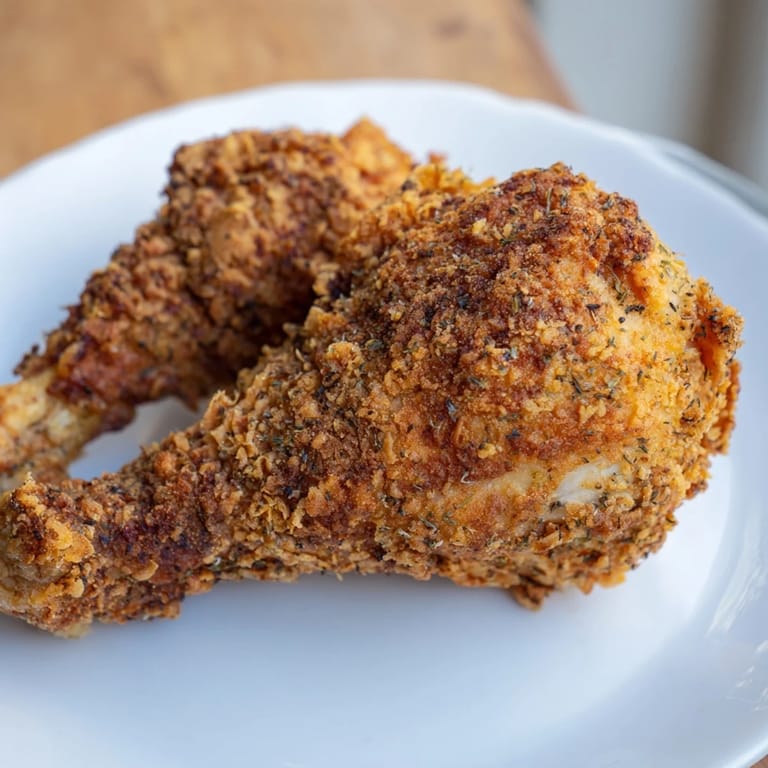
- Never overcrowd the pan—each piece needs room to swim. Fry for twelve to fifteen minutes, turning occasionally so both sides brown evenly and the inside reaches 75°C (165°F) internal temperature.
- Drain and Rest:
- Lift finished chicken onto a wire rack (not paper towels, which trap steam) and let it rest five minutes so the carryover cooking finishes and the coating stays crispy.
 Save
Save There's something profound about serving crispy fried chicken to people—it's never just dinner, it's always an event. My partner once said this chicken tasted like home cooking that somehow got better, and I think that's the real goal here: to make something that feels like care but tastes like celebration.
The Science Behind the Crispiness
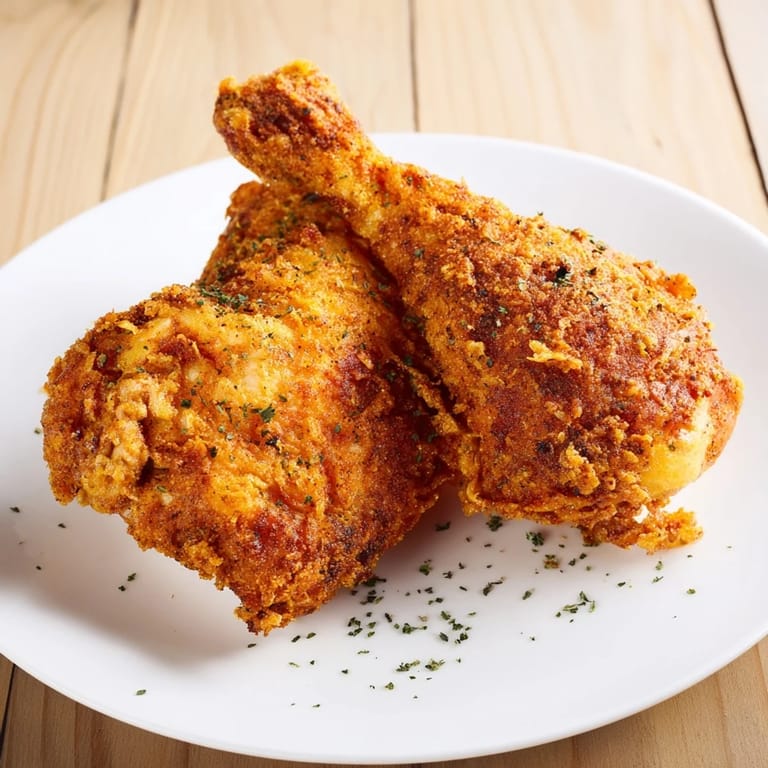
The buttermilk's lactic acid does two things that matter: it tenderizes the chicken by breaking down proteins, and it creates a base that holds the flour coating like glue. The flour itself becomes a shield, puffing up slightly when it hits the oil and creating those air pockets that shatter under your teeth. The spice blend's herbs and powders brown at different rates, layering flavors instead of creating one flat note.
Timing and Temperature Precision
I learned early that fried chicken is unforgiving about temperature—use a thermometer, always. The oil needs to stay steady at 170°C, which is hot enough to cook through without burning the coating. Watch for golden brown rather than dark brown; the chicken keeps cooking slightly after it comes out, and that carryover heat matters.
Variations and Serving Ideas
Once you nail the base recipe, you can adjust the heat by dialing the cayenne up or down, or add smoked paprika for depth. Some nights I serve it with buttermilk coleslaw and biscuits for the full experience; other times it's just chicken with hot sauce and a cold drink. The coating stays crispy for about an hour if you're patient enough not to eat it immediately.
- Double-dip for extra crunch if you want to feel like a mad scientist in your kitchen.
- Try air-frying at 200°C for twenty minutes if you want less oil but slightly less crispiness—it's a fair trade.
- Leftover chicken reheats beautifully in a 180°C oven for ten minutes, crisping back up like it was never cold.
 Save
Save This chicken has become the thing people ask me to make, the recipe I guard not because it's secret but because it's become part of how I feed the people I love. Every time I make it, I remember why.
Recipe Questions & Answers
- → How does the buttermilk marinade affect the chicken?
Buttermilk tenderizes the meat and helps the seasoned flour adhere, resulting in juicy chicken with a crispy coating.
- → Which spices are key to the coating's flavor?
Paprika, garlic powder, onion powder, dried thyme, basil, oregano, and a hint of cayenne contribute to the vibrant, layered taste.
- → Can the spice blend be adjusted for heat levels?
Yes, increasing or reducing cayenne pepper allows customization of the coating's spiciness to suit your preference.
- → What is the recommended frying temperature for best results?
Maintain the oil at around 170°C (340°F) to achieve a golden, crispy crust without overcooking the interior.
- → Is double-dipping necessary for crispiness?
Double-dipping by reapplying buttermilk and flour can enhance the crunch, though a single coating also yields a good texture.