 Save
Save I discovered microwave pasta on a Tuesday when my stove decided to stop working right before dinner. Standing in my kitchen with nothing but a bowl and desperation, I grabbed a handful of penne and wondered if the microwave could actually pull this off. Ten minutes later, perfectly cooked pasta sat in front of me, and I realized I'd stumbled onto something that would change how I cook on hectic days.
My roommate watched me make this the first time and was skeptical, arms crossed, muttering about how pasta is supposed to need a pot. When she tasted it and found it perfectly al dente, the look on her face made me laugh so hard I nearly dropped the bowl. Now she makes it when she gets home late from work, and I hear the microwave beeping from three rooms away.
Ingredients
- Dried pasta (85 g or 3 oz): Penne, fusilli, or elbow macaroni work beautifully here because their shapes trap water and cook evenly; avoid long strands like spaghetti as they tend to tangle and cook unevenly.
- Water (375 ml or 1½ cups): The ratio is crucial because the pasta absorbs as it cooks, and too little leaves you with crunchy bits while too much creates soup.
- Salt (¼ tsp): Season the water like you would pasta water on the stove; it's your only chance to flavor the pasta from within.
- Olive oil or butter (1 tsp, optional): A touch of fat at the end adds richness and prevents the pasta from sticking to itself after cooking.
- Grated Parmesan cheese (2 tbsp, optional): I learned the hard way to add this after cooking because the microwave heat can make it grainy if added too early.
- Freshly ground black pepper (to taste, optional): Grind it fresh over the top for flavor that actually registers, not the dusty stuff from the shaker.
- Marinara sauce or pesto (2 tbsp, optional): Either one transforms this from simple to satisfying, and you can stir it in while the pasta is still warm so it coats everything evenly.
Tired of Takeout? 🥡
Get 10 meals you can make faster than delivery arrives. Seriously.
One email. No spam. Unsubscribe anytime.
Instructions
- Gather your bowl and pasta:
- Choose a large microwave-safe bowl that you know won't spark or discolor, and measure out your pasta so it fills less than half the bowl's depth. This matters because water bubbles and boils up, and a cramped bowl leads to messy overflow.
- Combine pasta, water, and salt:
- Pour the water over the dried pasta, add your salt, and stir everything together so the pasta separates and the salt dissolves. You want each piece exposed to the salted water from the start.
- First microwave interval:
- Place the bowl uncovered into the microwave and set it for 4 minutes on high power. This initial blast softens the pasta enough that it won't clump together, and you'll hear the water begin to bubble.
- Stir and continue cooking:
- Pull the bowl out carefully (steam rises, so angle your face away), give the pasta a good stir to break up any clumps, then return it for 2-minute intervals. After each interval, stir again and check how much water remains; the pasta should be getting softer and absorbing the liquid.
- Check for doneness:
- At around 8 to 10 minutes total, the pasta should be tender but still have a slight bite, and most water should be absorbed. If it's still crunchy, give it another minute; if it's too soupy, you can drain the excess.
- Finish and serve:
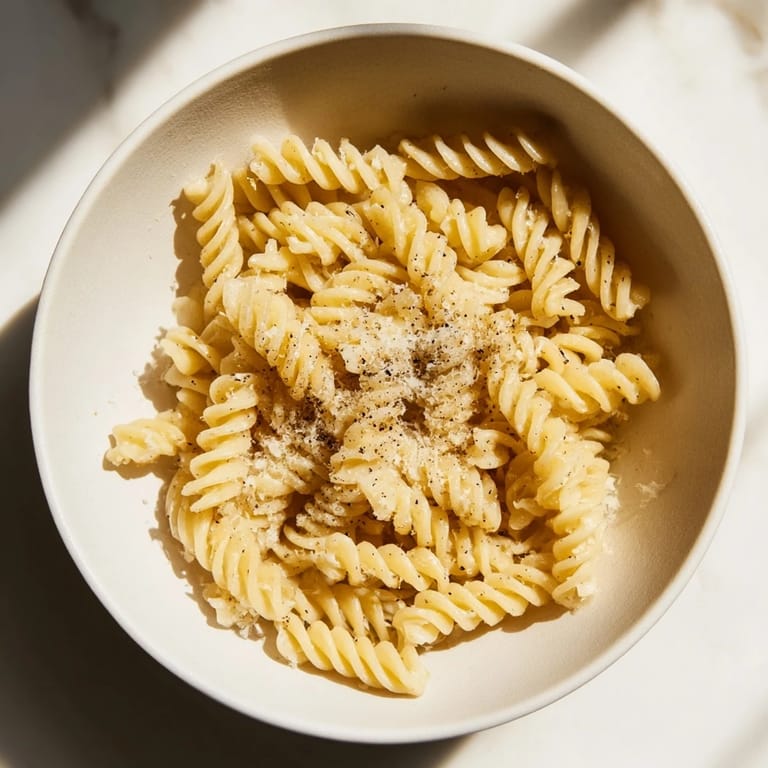
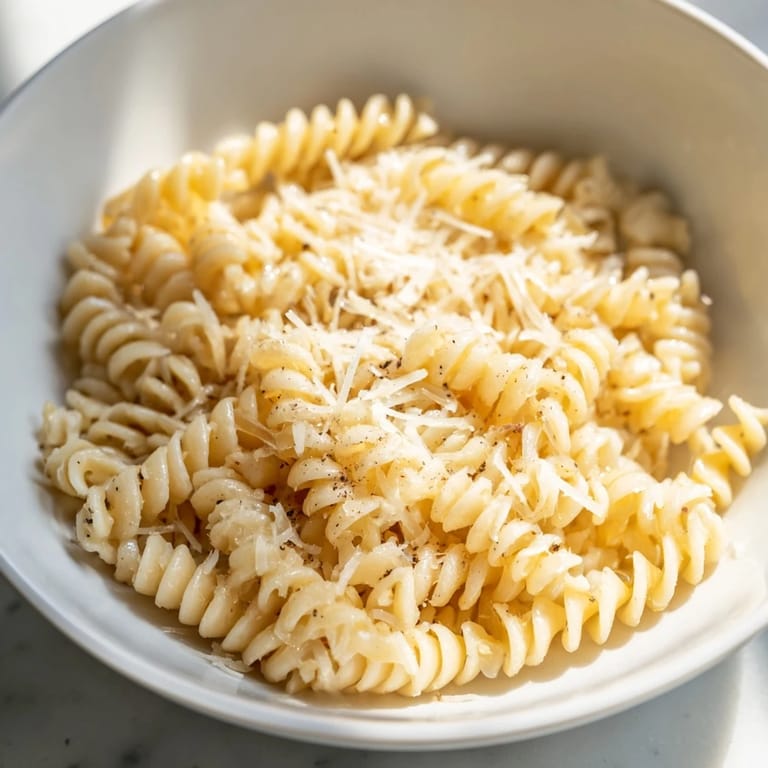
- Stir in your olive oil, cheese, pepper, and sauce if using, then serve immediately while everything is hot and the cheese melts into creamy pockets. Taste and adjust seasoning because this is your chance to make it exactly how you like it.
 Save
Save There was a night during finals week when my sister called from her apartment saying she hadn't eaten in two days and felt faint. I made two bowls of this, grabbed them in towel holders, biked across town, and watched her eat like she'd never tasted food before. It wasn't fancy or slow-cooked, but somehow it felt like the most nourishing thing I could offer her.
Microwave Power Matters
I learned that a 1000-watt microwave cooks faster than a 700-watt one, and this changes everything for pasta timing. The first time I used my friend's older microwave, I ended up with mushy pasta because I followed my home times exactly. Now I always start checking a minute or two earlier than I think I need to, then adjust upward if necessary.
Customizing Your Bowl
The beauty of this method is that it's a blank canvas, and I've learned what combinations actually work by trial and a few failures. Frozen vegetables tossed in at the end soften in residual heat, cooked proteins warm through without overcooking, and fresh herbs stirred in last taste brighter than if they'd been cooked the whole time.
Making It Feel Like a Real Meal
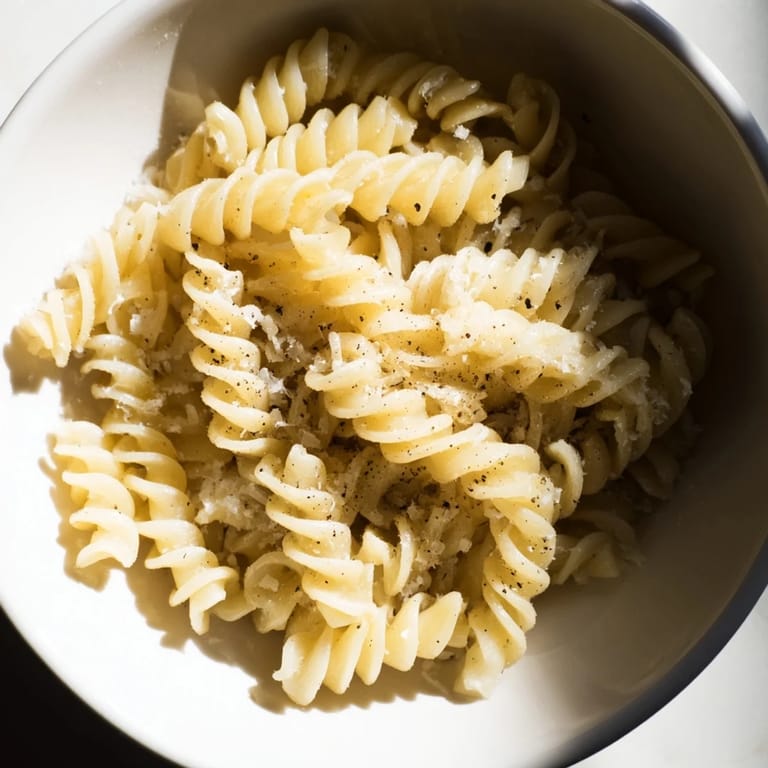
I used to feel guilty about microwave pasta until I realized that cooking is about feeding yourself, not performing for an invisible audience. A bowlful of perfectly cooked pasta with melted cheese and a crackle of black pepper is genuinely delicious and took less effort than ordering takeout. The trick is building flavor through your add-ins and not treating it like a shortcut, but rather like a method that deserves respect.
- Layer your flavors by using good quality olive oil or real butter, not just any fat lying around.
- Taste before you serve and adjust salt and pepper because that's what separates good from forgettable.
- Keep a rotation of quick add-ins like jarred pesto, canned beans, or frozen spinach so you never feel like you're eating the same thing twice.
 Save
Save This bowl has become my reliable friend on days when everything else feels chaotic. It's proof that sometimes the fastest way to take care of yourself is also the most delicious.
Recipe Questions & Answers
- → Why use a microwave instead of stovetop cooking?
Microwave cooking eliminates the need for a pot, reduces water boiling over, and requires less active monitoring. It's perfect for dorm rooms, small kitchens, or when you need a quick meal with minimal cleanup.
- → What pasta shapes work best?
Penne, fusilli, and elbow macaroni are ideal choices due to their size and texture. Smaller shapes cook more evenly in the microwave. Avoid long pasta like spaghetti unless broken into smaller pieces.
- → How do I prevent water from boiling over?
Use a large bowl where the pasta fills no more than half the bowl capacity. Leave adequate space for water to bubble without overflowing. If using a 375ml liquid measure, ensure your bowl is at least 1-liter capacity.
- → Can I use this method with gluten-free pasta?
Yes, gluten-free pasta works well with this method. Monitor doneness carefully as cooking times may vary by brand. Check for al dente texture starting at 8 minutes, as some gluten-free varieties cook faster or slower than wheat-based pasta.
- → What additions enhance the final dish?
Finish with olive oil or butter for richness, grated Parmesan for umami, marinara or pesto for flavor, and fresh cracked pepper. You can also stir in cooked vegetables, fresh herbs, or protein like chickpeas for a more substantial meal.
- → How should I adjust for different microwave wattages?
Higher wattage microwaves (1000W+) cook faster, requiring less total time. Lower wattage units may need additional time. Start checking at 8 minutes and add 1-2 minute increments as needed until pasta reaches your preferred tenderness.