 Save
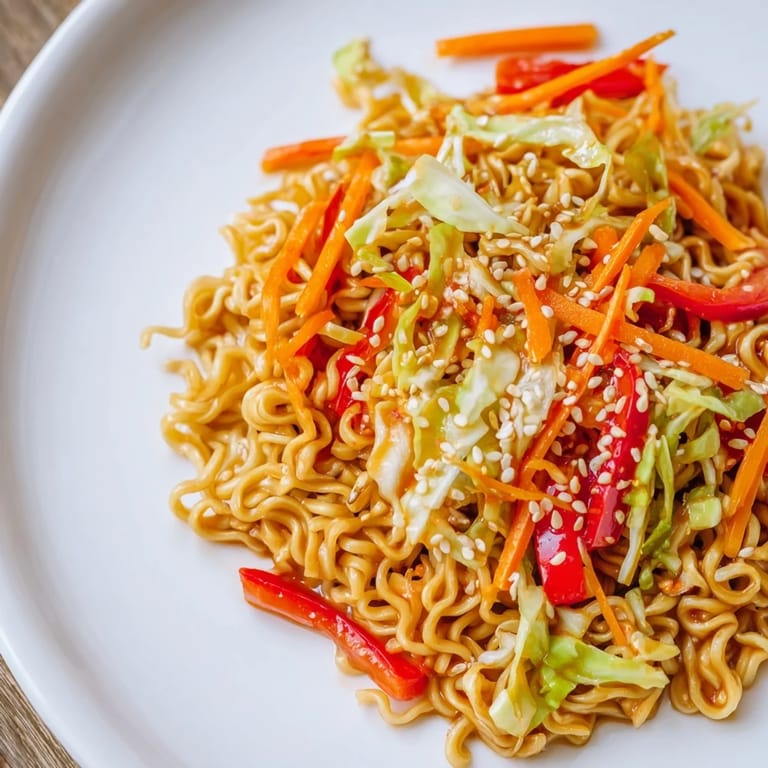
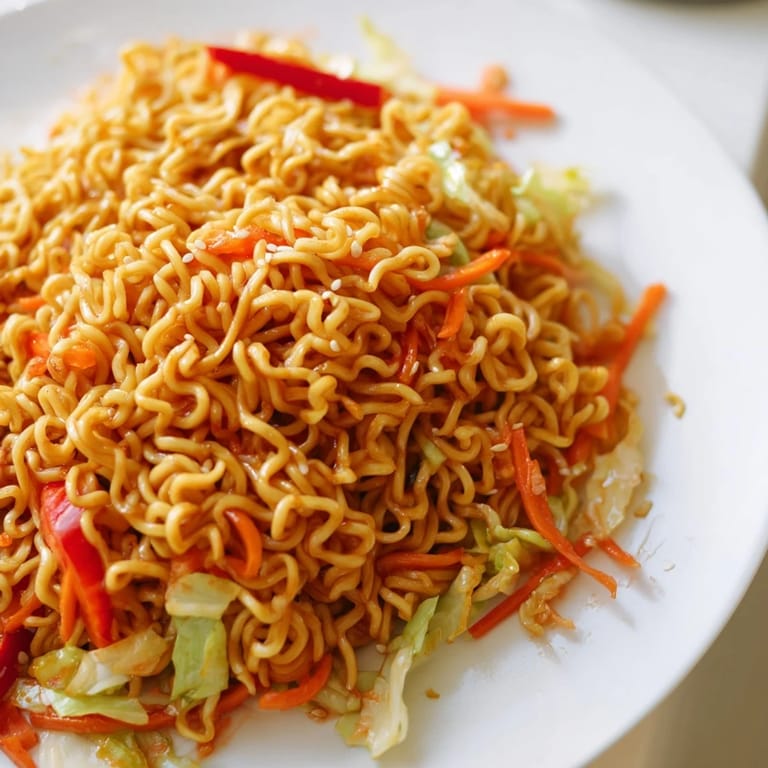
Save It was late one weeknight when I first scrolled past this viral ramen hack on my phone, and something about the way those noodles glistened in the video made me pause. Twenty minutes later, I was clattering around my kitchen with a wok I barely knew how to use, surprised by how the whole thing came together so fast. The crispy vegetables, the bold sauce that stuck to every strand—it felt less like following a trend and more like discovering something that had always belonged in my rotation. Now it's become my go-to when I need dinner that tastes like I tried harder than I actually did.
I made this for a friend who claimed they didn't like spicy food, and watching their face light up when they tried it felt like I'd unlocked some secret. They asked for the recipe that same night, and I remember laughing at how quick the answer was—it's almost embarrassing how little effort goes into something this delicious. That moment taught me that sometimes the dishes that feel most impressive are the ones that hide their simplicity.
Ingredients
- 2 packs instant ramen noodles: Skip the seasoning packets—they're not needed here, and the noodles alone provide the right foundation. Cooking them slightly underdone keeps them springy and prevents mushiness.
- 1 cup shredded cabbage: The unsung hero that stays crisp and provides bulk without weighing you down.
- 1 medium carrot, julienned: A bit of sweetness and crunch that balances the heat beautifully.
- 2 green onions, sliced: Add these at the very end for a fresh pop that keeps the dish from feeling heavy.
- 1/2 red bell pepper, thinly sliced: Brings both color and a gentle sweetness that softens the edge of spice.
- 2 tablespoons soy sauce: The savory backbone—make sure it's a quality brand you actually taste when cooking.
- 1 tablespoon sriracha or chili garlic sauce: Your heat source; use the one that makes you happy, not the hottest thing available.
- 1 tablespoon oyster sauce: The secret weapon that adds umami depth and makes the whole thing sing.
- 1 tablespoon brown sugar: Just enough to round out the spice and balance the salt.
- 2 teaspoons sesame oil: Toast it through at the end; its nutty warmth is irreplaceable.
- 1 teaspoon rice vinegar: A whisper of acid that brightens everything.
- 1/4 teaspoon ground black pepper: Standard but essential.
- 2 cloves garlic, minced: The aromatic that makes your kitchen smell alive.
- 1 tablespoon vegetable oil: Use something neutral that won't smoke—peanut or canola work perfectly.
- 1 teaspoon toasted sesame seeds: The garnish that makes it feel intentional.
- 1/2 teaspoon red pepper flakes: Optional heat; add more if you love fire.
Tired of Takeout? 🥡
Get 10 meals you can make faster than delivery arrives. Seriously.
One email. No spam. Unsubscribe anytime.
Instructions
- Cook the noodles with intention:
- Boil water and add the ramen, but stop one minute before the package tells you to. You want that slight firmness that bounces back when you stir, not something that falls apart. Drain and set aside.
- Combine your sauce in a quiet moment:
- In a small bowl, whisk together soy sauce, sriracha, oyster sauce, brown sugar, sesame oil, rice vinegar, and black pepper. Let it sit for a moment—the sugar needs a second to dissolve.
- Get your wok or skillet singing:
- Heat vegetable oil over medium-high heat until it shimmers, then add minced garlic. After 30 seconds, when the aroma fills your kitchen, you'll know it's ready.
- Stir-fry the vegetables until they tell you when:
- Add cabbage, carrot, and bell pepper, and keep moving them with tongs or a spatula. You're aiming for 2-3 minutes when everything is still bright and has a gentle give when you bite it, not soft.
- Bring it all together:
- Add the drained noodles and pour in the sauce, then toss everything for 1-2 minutes until the noodles are completely coated and warm. You'll see the liquid cling to each strand.
- Finish with what makes it special:
- Add sliced green onions, sesame seeds, and red pepper flakes if you want more heat. Give it one more toss and serve immediately while everything is still warm and the vegetables haven't lost their crispness.
 Save
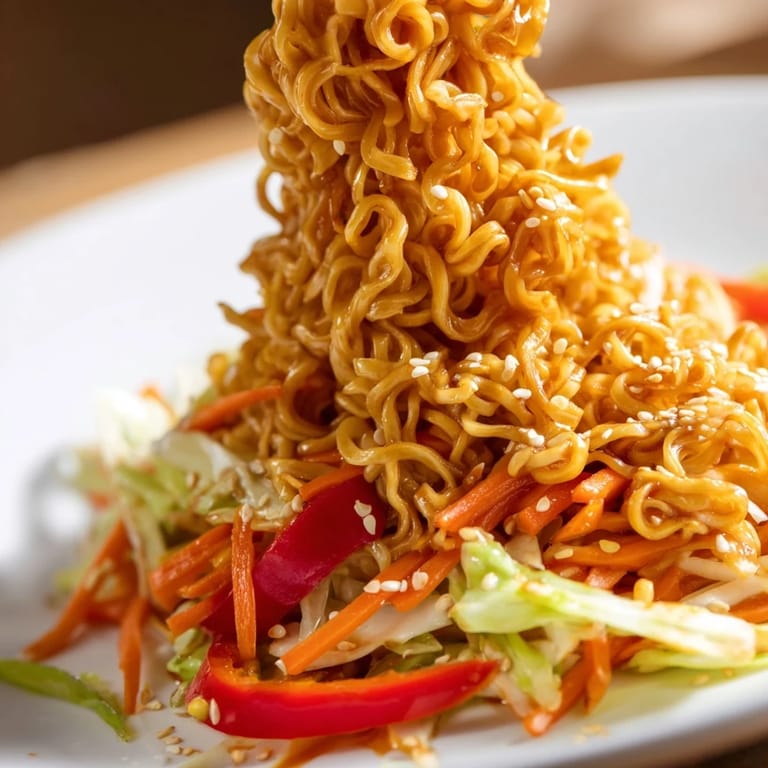
Save One evening I made this for my roommate when they came home exhausted, and they sat at our tiny kitchen counter and ate the whole thing without saying much. Afterward, they just said it was exactly what they needed, and somehow that felt like the highest compliment. That's when I realized this wasn't just about riding a trend—it was about feeding someone properly, even when you're doing it in ten minutes.
The Magic of Sauce
I used to think ramen sauce had to be complicated, layers upon layers of technique. Then I realized the real trick is balance: something salty, something spicy, something umami-rich, and something to cut through it all. The sriracha gives heat, the oyster sauce gives depth, the brown sugar rounds everything out, and that splash of rice vinegar is what makes you reach for another bite. Once I understood those roles, I stopped being afraid of the sauce and started playing with it.
Texture Is Everything Here
This dish lives or dies by the contrast between crisp vegetables and tender noodles. When vegetables are cooked through, they become limp and lose their purpose in the bowl. The vegetables give you something to chew against the softness of the noodles, and without that push and pull, the whole thing flattens out. I learned this the hard way, overcooking a batch and wondering why it felt one-dimensional.
Ways to Make It Your Own
The beauty of this recipe is how honest it is about being a starting point. I've made it with tofu when I had it, cracked an egg on top another time, and once threw in some leftover rotisserie chicken. Each time it felt different but equally right. The framework holds, and everything else is just showing up with what you've got and trusting it'll work.
- Add a fried egg or soft-boiled egg on top for protein and richness.
- Try cooked shrimp, crumbled tofu, or shredded cooked chicken mixed in with the noodles.
- Use hoisin sauce instead of oyster sauce for a vegan version that tastes just as good.
 Save
Save Some recipes feel like work, but this one feels like play. It's quick enough to make on a whim, impressive enough to share, and honest enough to taste like it came from somewhere real.
Recipe Questions & Answers
- → How can I make this dish vegan?
Use vegan oyster sauce or hoisin sauce to replace the traditional oyster sauce and ensure all other ingredients are plant-based.
- → What noodles work best here?
Instant ramen noodles provide the ideal texture and springiness, but you may substitute with fresh or dried Asian wheat noodles if desired.
- → Can I add protein to this stir fry?
Yes, try adding tofu, cooked chicken, shrimp, or a fried or soft-boiled egg for extra protein and richness.
- → How spicy is this dish, and can I adjust it?
The sriracha and optional red pepper flakes create a noticeable heat that can be increased or reduced based on taste preferences.
- → What side drinks pair well with this dish?
Crisp lagers or unsweetened iced teas complement the bold, spicy flavors nicely.