 Save
Save There's something magical about the smell of teriyaki sauce reducing in a hot pan—it stops you mid-thought and pulls you toward the kitchen. I discovered this particular version on a Tuesday evening when I was tired of takeout prices and wanted something that tasted like I'd ordered it from my favorite spot. The glaze caught the light as it thickened, glossy and deep, and I knew I'd cracked the code on making it at home without any fuss.
I made this for my sister on a chaotic Sunday when she'd just moved into her apartment and had nothing but kitchen basics. Watching her face light up when she realized leftovers meant four ready-made lunches without thinking made the whole process feel worthwhile. She's been texting me pictures of her meal-prep containers ever since, which might be the highest compliment a recipe can get.
Ingredients
- Boneless, skinless chicken thighs (600 g): They stay juicy and forgiving when cooked, unlike breast meat which can dry out if you blink at the wrong moment.
- Low-sodium soy sauce (80 ml): The base note of the whole dish—low sodium lets you taste the complexity without oversalting everything else.
- Mirin (60 ml): This sweet rice wine is what gives teriyaki its signature shine and depth; don't skip it or use regular sugar as a substitute.
- Honey or maple syrup (2 tbsp): Either works beautifully, though honey gives a cleaner glaze while maple adds earthiness.
- Rice vinegar (1 tbsp): A small amount cuts through the sweetness and keeps the sauce balanced rather than cloying.
- Cornstarch (1 tbsp): This is your thickener—it transforms loose liquid into a glossy coat that actually clings to the chicken.
- Fresh garlic and ginger: Minced small so they distribute evenly and add warm, aromatic complexity to the glaze.
- Jasmine or short-grain rice (250 g): Jasmine is slightly fragrant and tender; short-grain holds together better if you're meal prepping.
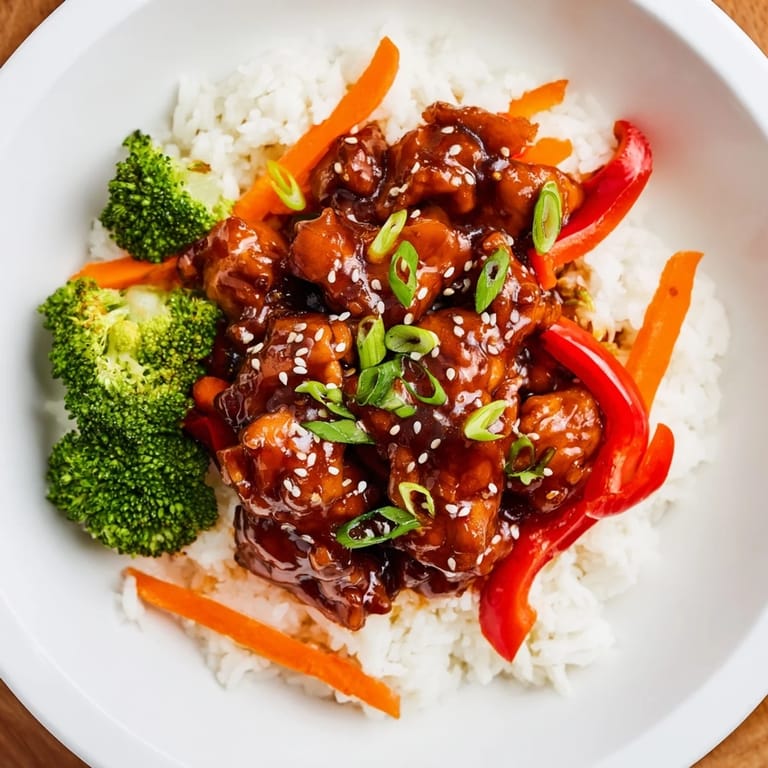
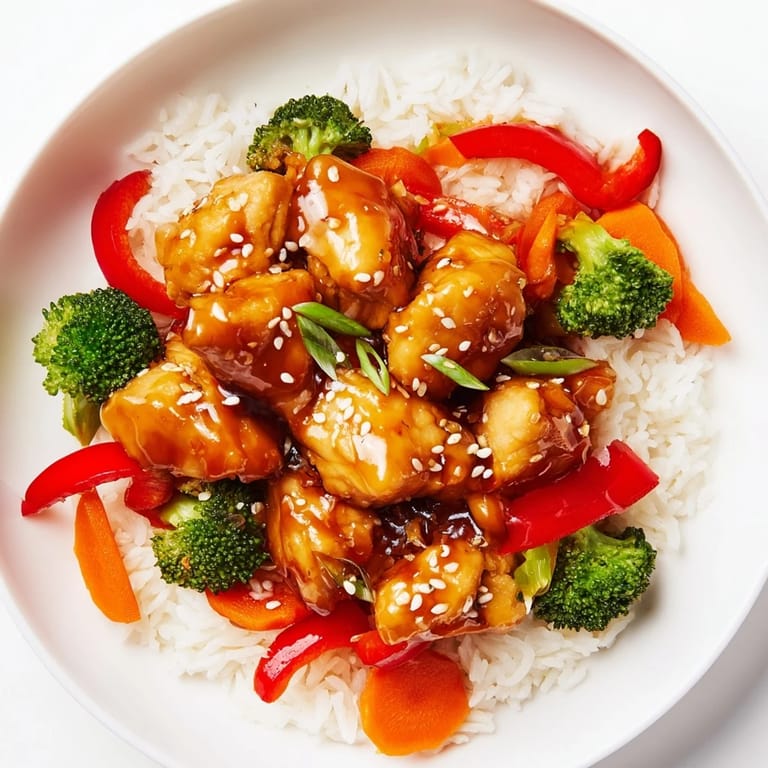
- Mixed vegetables: Broccoli, carrots, and bell pepper add color and texture without competing for attention on the plate.
- Sesame seeds and spring onions: Optional but they finish the bowl with a little crunch and freshness that makes leftovers feel intentional rather than reheated.
Tired of Takeout? 🥡
Get 10 meals you can make faster than delivery arrives. Seriously.
One email. No spam. Unsubscribe anytime.
Instructions
- Rinse and cook the rice:
- Cold water washes away excess starch so the grains stay separate and fluffy rather than clumpy. Once water comes to a boil, drop the heat low and cover—this gentle steam does the work while you prepare everything else.
- Prep the vegetables:
- Blanch or steam broccoli, carrots, and pepper for just 3–4 minutes so they stay bright and slightly crisp rather than turning to mush. You want them ready to eat but with a little resistance when you bite.
- Mix the teriyaki sauce:
- Whisk everything together in a bowl while the pan heats—soy sauce, mirin, honey, vinegar, cornstarch, water, garlic, and ginger all need to be friends before they hit the chicken.
- Sear the chicken:
- Medium-high heat and dry chicken (pat it with a paper towel first) means golden edges that taste delicious, not steamed skin. A pinch of salt and pepper goes on just as it hits the hot oil.
- Build the glaze:
- Pour the sauce over the cooked chicken and stir constantly for 2–3 minutes—you'll watch it transform from thin liquid to a glossy, clingy coat that hugs every piece. This is the moment where the magic happens.
- Assemble and cool:
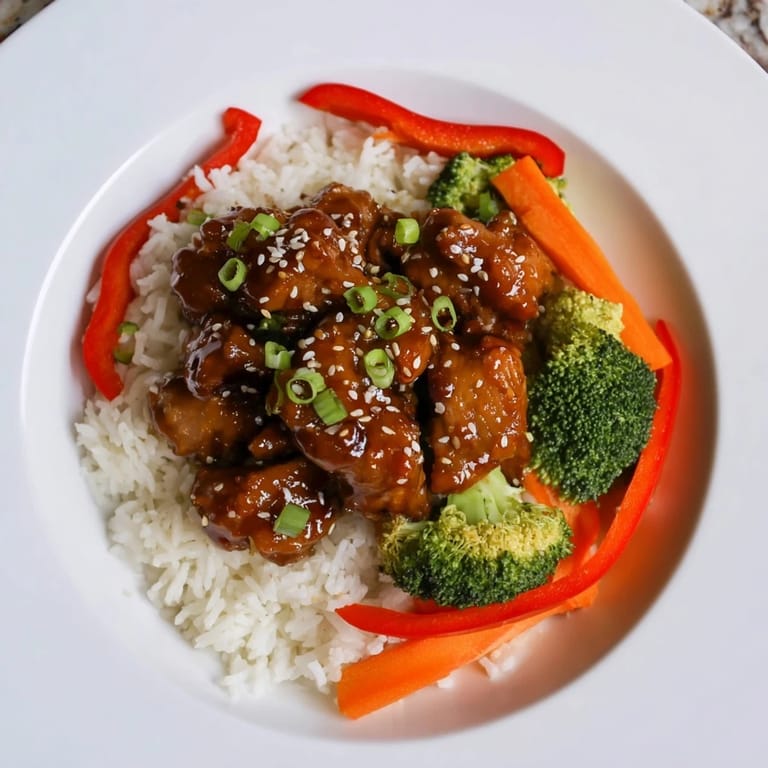
- Layer rice, chicken, and vegetables in containers, then let them cool completely before sealing so condensation doesn't make everything soggy. Sesame seeds and spring onions go on just before eating if you want them to stay crisp.
 Save
Save My best friend came over unexpectedly on a Friday and smelled this cooking from the hallway—she ate her portion standing at the counter and asked for the recipe before I'd even finished plating. There's something about food that tastes like you spent hours on it when you really didn't that feels like a small act of love.
The Sauce Is Everything
Teriyaki lives or dies by the glaze, and the secret is balancing sweet, salty, and acidic without letting any one flavor boss the others around. When the cornstarch hits the heat, tiny starch granules gelatinize and thicken the liquid into something that coats rather than pools. It sounds technical, but what you're actually doing is making liquid gold that tastes like you care.
Make It Your Own
This recipe is a canvas, not a law. Some weeks I add a handful of snap peas for crunch, other times I throw in cashews or swap the vegetables entirely based on what's in the crisper. The ratio of sauce to chicken stays the same, but everything else bends to your mood and what you have on hand.
Meal Prep Without Regret
Sunday container assembly becomes meditative when you've got all the elements ready to go—there's a rhythm to dividing rice, spooning chicken, arranging vegetables, and sprinkling garnish that feels more organized than chaotic. These hold beautifully for four days in the refrigerator, and reheating in a microwave actually restores the glaze rather than destroying it.
- Make sure containers are fully cooled before sealing or condensation will soften everything.
- If reheating, add a splash of water to keep the glaze glossy rather than sticky.
- Toast your sesame seeds fresh on Sunday if you're keeping them separate—they lose their magic after a few days in the fridge.
 Save
Save This dish has become my answer to the question "what should I make?" on nights when I want something that feels special but doesn't demand much from me. It's the kind of recipe that rewards you with good food and the peace of mind that comes from knowing you've got lunch handled for days.
Recipe Questions & Answers
- → What type of rice works best for this dish?
Jasmine or short-grain rice is recommended for its fluffy texture and subtle aroma, complementing the savory teriyaki flavors perfectly.
- → Can I substitute chicken thighs with other proteins?
Yes, chicken breasts or tofu can be used as alternatives. Adjust cooking times accordingly to ensure even cooking and texture.
- → How should the vegetables be cooked?
Broccoli, carrots, and bell pepper are steamed or blanched until just tender to retain their color and crunch, enhancing the dish's freshness.
- → What is the best way to thicken the teriyaki sauce?
Cornstarch mixed with water is added to the sauce and cooked until it thickens to a glossy glaze that coats the chicken evenly.
- → Are there options for making this dish gluten-free?
Yes, using tamari instead of regular soy sauce ensures the dish remains gluten-free without sacrificing flavor.