 Save
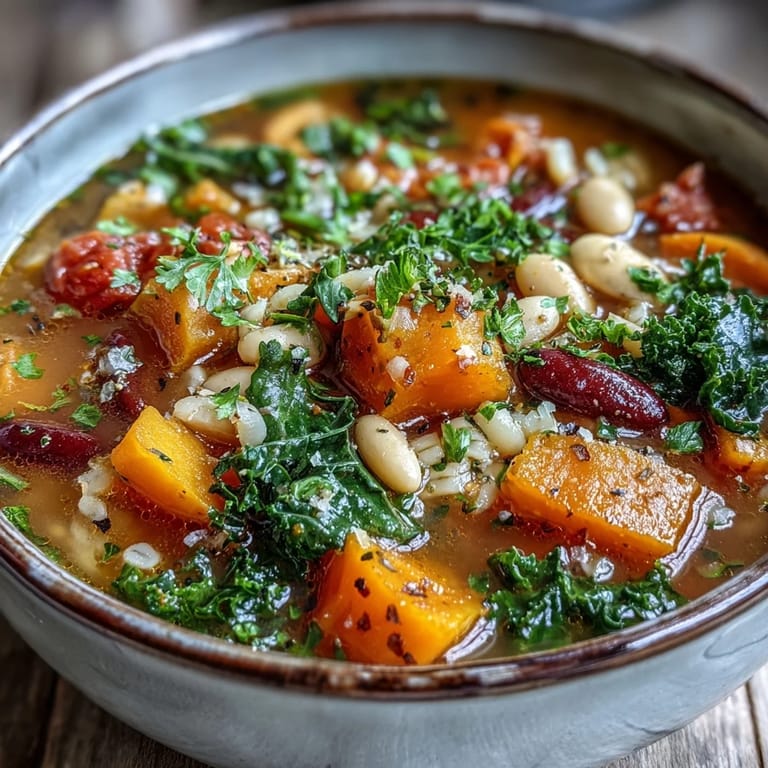
Save The first time I made winter minestrone, snow was falling in thick, silent flakes outside my kitchen window. I'd just returned from visiting family in northern Italy where my cousin's grandmother had ladled this robust soup into my bowl with a wink. 'This will warm you from the inside,' she'd said in her lilting accent. Back home with frozen fingers and a craving for comfort, I gathered butternut squash and kale, hoping to recreate that moment of perfect contentment.
Last winter during that awful power outage, I managed to make this soup on our gas stove by candlelight. Our neighbors dropped by with their kids seeking warmth, and I remember everyone huddled around steaming bowls in the dimly lit kitchen, trading stories and laughter. Something about the rich aroma of herbs and vegetables simmering together made the darkness feel less threatening and more like an unexpected adventure.
Ingredients
- Butternut squash: Look for one with a matte rather than glossy skin, it means its been cured properly and will have that perfect sweet flavor that balances the savory elements.
- Kale: Removing the tough stems is non negotiable, I learned this the hard way when my husband found himself chewing endlessly during our anniversary dinner.
- Cannellini beans: Rinse them thoroughly under cold water to remove that slimy canning liquid, which completely transforms their texture in the soup.
- Small pasta: The tiny shapes like ditalini catch little pockets of broth in each bite, making every spoonful perfectly balanced.
- Herbs: The combination of thyme, rosemary and oregano creates this Italian countryside aroma that fills the whole house with anticipation.
Tired of Takeout? 🥡
Get 10 meals you can make faster than delivery arrives. Seriously.
One email. No spam. Unsubscribe anytime.
Instructions
- Build your flavor foundation:
- Heat olive oil in your largest pot and add the diced onion, carrots, and celery, letting them sizzle gently until they soften and release their sweetness. You'll know it's right when the kitchen starts smelling like your grandmother's house on Sunday.
- Add the aromatics:
- Stir in that minced garlic just until it becomes fragrant, about a minute. This is where I always pause to inhale deeply, the moment when the soup truly begins to take shape.
- Introduce the stars:
- Tumble in your butternut squash and zucchini cubes, stirring them through the aromatics for a few minutes. Watch how the edges start to glisten as they absorb all those beautiful flavors.
- Create your broth base:
- Pour in the diced tomatoes with their juices, vegetable broth, and water, then bring everything to a gentle boil. The colors will start to deepen and meld together.
- Season with intention:
- Add your dried herbs and red pepper flakes, then reduce to a simmer and let everything mingle uncovered for about 15 minutes. Your kitchen will fill with the most comforting herbal steam.
- Add the starches:
- Stir in those rinsed beans and pasta, simmering until the pasta is tender but still has a slight bite to it. The starch will help thicken the broth ever so slightly.
- Finish with freshness:
- Fold in the chopped kale and watch it wilt and turn vibrant green against the tomato-tinted broth. This last-minute addition preserves its nutrients and adds beautiful texture.
- Make it sing:
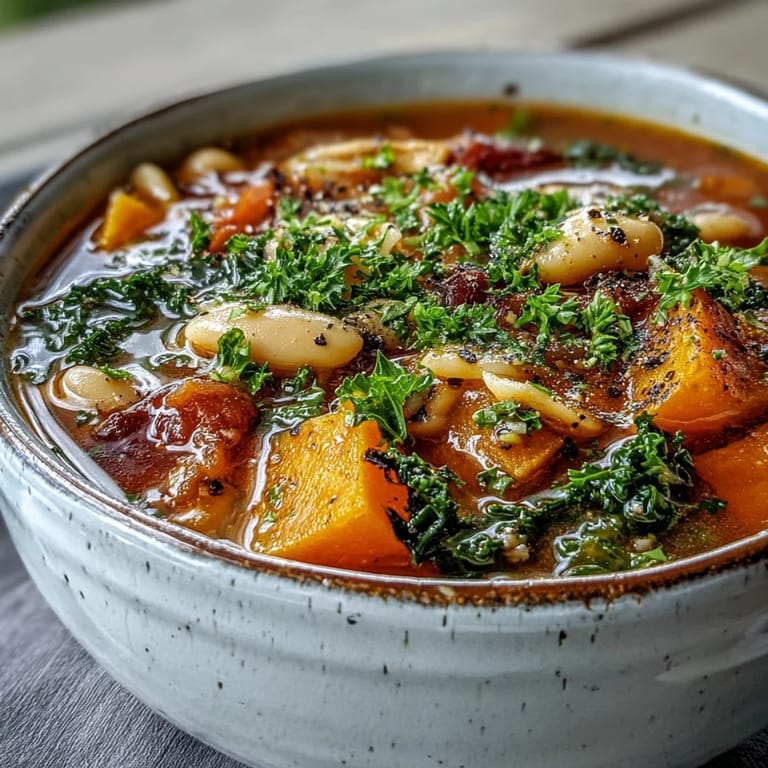
- Remove from heat, stir in fresh parsley, and taste for seasoning. This is when I always add an extra pinch of salt that somehow makes all the flavors pop into harmony.
 Save
Save  Save
Save The minestrone became our Sunday tradition during my daughter's first winter of college when she'd come home feeling overwhelmed by exams. She'd sit at the kitchen counter chopping vegetables while telling me about her classes, the rhythmic knife sounds punctuating her stories. Those simple afternoons of soup-making somehow became the bridge that helped us navigate her transition to adulthood, creating space for conversations that might not have happened otherwise.
Make It Ahead
I've learned through numerous dinner parties that this soup actually improves with time, as the flavors meld together overnight in the refrigerator. When making it ahead, I hold back the pasta and kale, adding them only when reheating just before serving. The first time I tried this technique was for a potluck during a snowstorm, and despite arriving nearly an hour late, the soup was the first dish completely emptied, with friends scraping the bottom of the pot with bread crusts.
Seasonal Adaptations
While winter minestrone has become my cold-weather staple, I've created versions for every season by swapping ingredients. Spring brings asparagus and peas, summer welcomes fresh corn and cherry tomatoes, while fall introduces sweet potato and swiss chard. The basic technique remains unchanged, but each variation captures a distinct moment in time, like a culinary calendar marking the passing months in flavors rather than dates.
Serving Suggestions
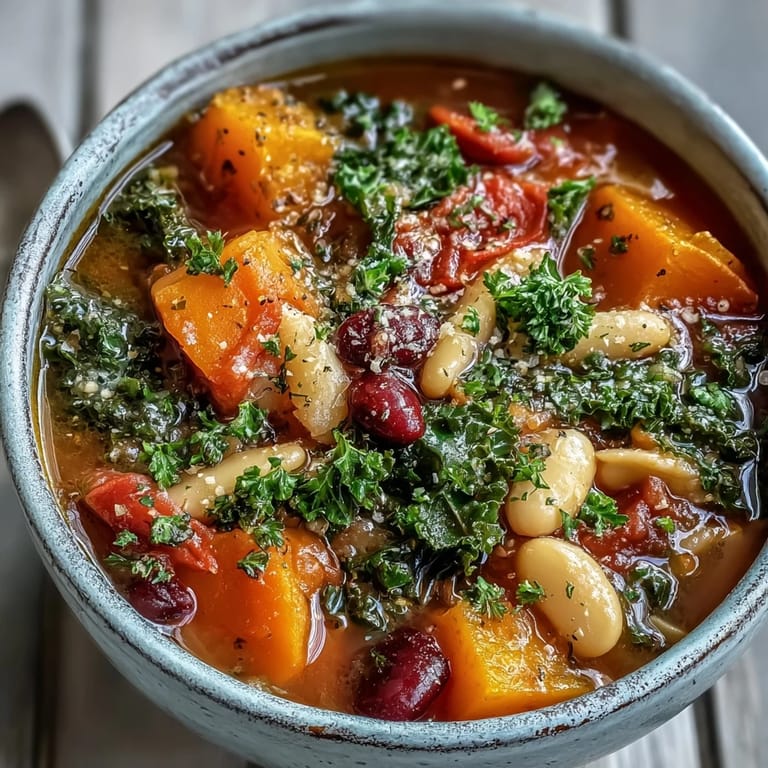
This hearty soup deserves thoughtful accompaniments that elevate it from a simple meal to an experience. My neighbor Sophia taught me to drizzle a spiral of extra virgin olive oil on top just before serving, creating these gorgeous golden pools that catch the light and add richness to each spoonful.
- Serve with a rustic sourdough bread, torn rather than sliced, for authentic Italian-style dipping into the broth.
- A simple side salad of arugula dressed only with lemon juice and olive oil provides a peppery contrast to the soup's savory depth.
- For special occasions, offer small bowls of additional toppings like toasted pine nuts, extra fresh herbs, or aged balsamic for guests to customize their portions.
 Save
Save 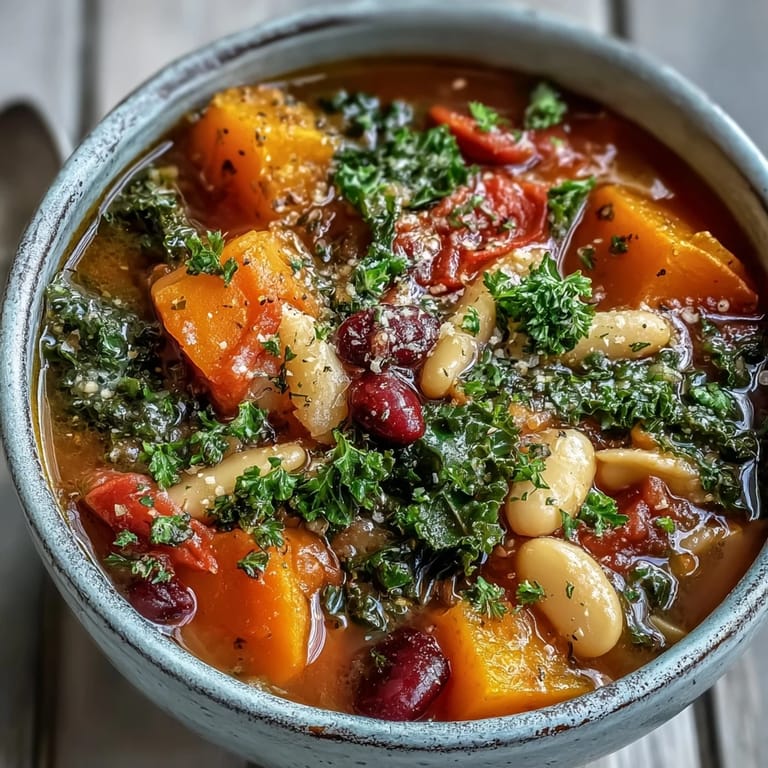 Save
Save This winter minestrone isn't just a recipe in my collection, it's become a reliable friend I turn to when comfort is needed most. I hope it brings the same warmth and connection to your table as it has to mine.
Recipe Questions & Answers
- → Can I make this minestrone soup ahead of time?
Absolutely! This soup actually tastes better the next day as flavors have time to meld. Store in the refrigerator for up to 4 days. The pasta may absorb liquid, so add extra broth when reheating.
- → What pasta works best in this minestrone?
Small pasta shapes like ditalini, elbow macaroni, or small shells are ideal. They cook evenly and fit well on a spoon. If planning to freeze, cook pasta separately and add when serving to prevent it from becoming mushy.
- → Can I use frozen butternut squash instead of fresh?
Yes, frozen cubed butternut squash works perfectly and saves prep time. Add it directly to the pot without thawing. It may need an extra 2-3 minutes of cooking time to become tender.
- → How do I make this soup vegan?
Simply omit the Parmesan cheese or use a dairy-free alternative. The rest of the soup is naturally plant-based. Nutritional yeast can add a similar savory, cheesy flavor if desired.
- → What can I substitute for kale?
Spinach, Swiss chard, or chopped escarole work beautifully. Add spinach or chard in the last 1-2 minutes of cooking as they wilt faster than kale. Adjust quantity to taste.
- → Can I freeze this minestrone?
Yes, freeze for up to 3 months. For best results, slightly undercook the pasta or freeze without pasta and add fresh pasta when reheating. Leave space in containers as liquid expands when frozen.